Hours after the February 28 missile attack on an Iranian school, certain Pentagon personnel acknowledged U.S. involvement, according to officials participating in an internal probe. This investigation revealed numerous preventable errors leading to the catastrophe.
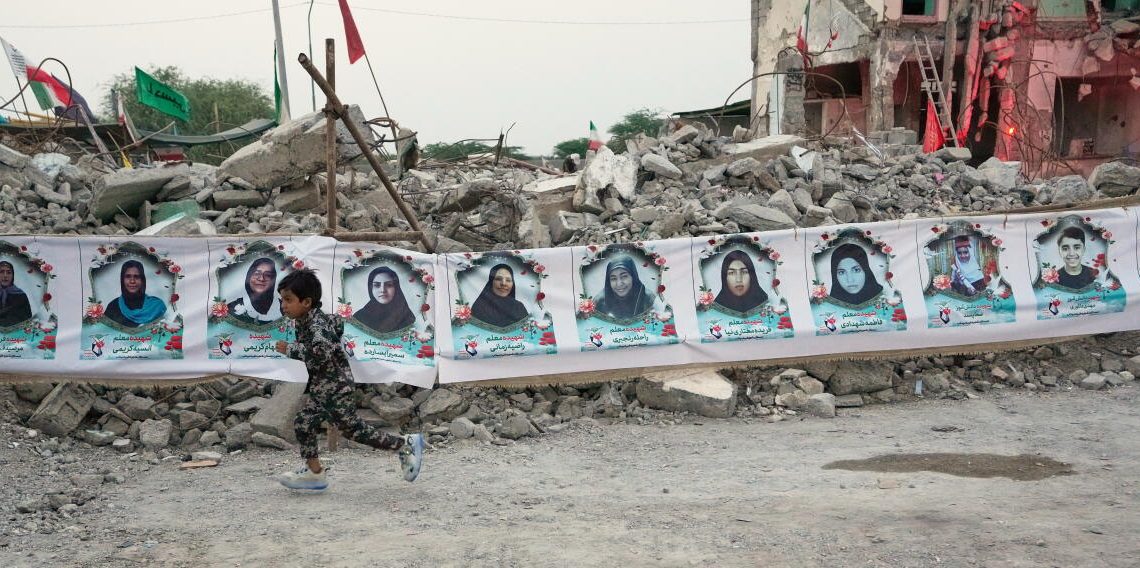
Two Tomahawk missiles hit the school, killing over 150 people, including at least 123 children. This strike in Minab town marked the deadliest U.S. military targeting mistake involving children in recent history.
The United Nations labeled the Minab attack and another U.S. strike the same day as potential war crimes. Despite such allegations, the U.S. has not publicly admitted fault. President Trump attributed the incident to Tehran, asserting uncertainty over the circumstances.
A Pentagon internal investigation showed the disaster was a result of cumulative small errors rather than a singular major mistake. Officials involved in the review shared insights, highlighting overlooked preventive measures. Others named in the report preferred anonymity due to the sensitivity of the subject.
In late February, the Trump administration ordered an aggressive aerial assault, targeting over 1,000 Iranian sites within 24 hours. This compressed timeline affected target confirmation, compounded by inadequate site information, reduced civilian protection staff, and over-reliance on AI technology.
Though the investigation has yielded ample details, these remain tightly guarded. Officials faced limitations on divulgence, with reports indicating a preliminary review acknowledged U.S. responsibility for the Minab strike. Admiral Brad Cooper promised transparency to Congress in May, yet the extent of the public release remains uncertain.
UN and U.S. officials criticized the strike, citing outdated intelligence. Although the site was previously marked as military, evidence showed its evolution into a school with visible boundary modifications. Some intelligence staff flagged these changes early on, but information wasn’t integrated into primary military databases.
Artificial intelligence tools, namely Maven Smart System, played a crucial role in target selection, yet reliance on them raised questions about data integrity. Palantir Technologies, responsible for Maven, asserted no fault in the strike, emphasizing U.S. control over input quality.
Following the strike, Palantir enhanced Maven’s intelligence verification capabilities, reportedly identifying overlooked discrepancies. The Pentagon’s rapid adoption of Maven exemplifies the military’s push towards AI, underscored by personnel transitions to Palantir positions.
‘Kill Chain’ Process
Prior to February 28, Pentagon officials focused on disabling Iran’s military. Targets, including the Islamic Revolutionary Guard Corps, were prioritized. The Minab school, misclassified as a military facility, was vetted through Maven and ultimately set as a Day 1 target.
In military operations, target assessment traverses a multi-stage process known as the ‘kill chain.’ The sequence involves analysts and operational staff reviewing intelligence data, often utilizing Maven for rapid decision-making.
The Pentagon internal review noted gaps following the reduction of civilian harm mitigation (CHM) teams, initiated by Defense Secretary Pete Hegseth. Such personnel cuts impacted site checks and disaster prevention, according to involved officials.
Hegseth defended the strategy as a pivot from Biden-era policies, advocating maximum force use without constraints. Yet hasty target confirmation hampered risk management, according to legal adviser Laurie Blank.
Minab’s Significance
Located near the Strait of Hormuz, Minab’s strategic value intensified in the 1980s. Once a Revolutionary Guard naval site, its military classification was left uncorrected, generating tragic consequences on February 28.
Reports from human rights groups and forensic experts offer chilling accounts of the strike’s immediate aftermath, spotlighting the severe impact on students and staff.
Despite victim outreach efforts, some families face challenges obtaining adequate medical attention for surviving children, amid political tensions around the incident.
As diplomatic efforts between the U.S. and Iran faltered in late February, military operations proceeded swiftly, causing significant civilian losses.
Political Implications
In the U.S., political debate follows the event. Democratic lawmakers question the Pentagon’s delay in sharing investigative outcomes, seeking accountability for the attack.
Senators across party lines pressure for detailed congressional briefings, criticizing the lack of transparency concerning the investigation’s findings.
 Ten Lions Found Dead in Suspected Poisoning at Ngorongoro Conservation Area
  Talarico Gains Momentum in Texas Senate Race
  Prince Harry’s U.K. Return Amidst Family Drama and Charity Engagements
  Trump’s AI Strategy Sparks Debate Amid Regulatory Concerns
  Wisconsin’s Budget Strategy: Lessons for Federal Government
  Intensified Scrutiny on ActBlue by House Republicans