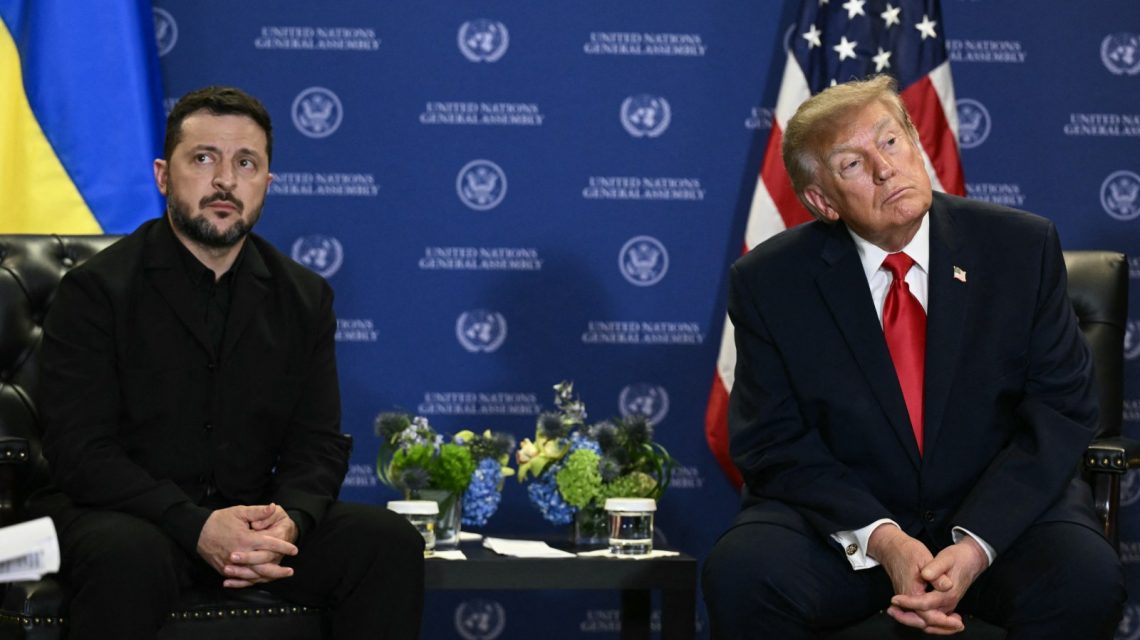
Donald Trump views foreign policy through the lens of business. Allies must contribute, and adversaries should face consequences unless they present an advantageous offer to the United States. Trump’s background in business suggests he should recognize unfavorable deals.
Russia’s Actions
Vladimir Putin is actively waging war on Ukraine while also threatening America’s traditional allies. Russian operatives are involved in spreading disinformation to influence American political dialogue.
Despite these actions, Trump has considered Russia as a potential ally to address the U.S. fuel crisis. A recent agreement for Russian diesel imports could end up benefiting Russia more than anyone else.
The Diesel Agreement
Following discussions with Putin, Trump declared that Russia would provide 300,000 tons of diesel initially, with additional amounts planned for future months. This prompted an easing of sanctions on Russian diesel, authorized until 2027.
This deal faces significant challenges. The U.S. Congress banned Russian energy imports in 2022, contingent upon Russia ending hostilities and withdrawing forces under terms acceptable to Ukraine. However, Putin has not made such commitments. The deal, lacking congressional consultation, is contested by various U.S. senators. Chuck Schumer labeled it “a deal with the devil.”
Moreover, the agreement undermines Trump’s previous demands for European allies to refrain from buying Russian oil. It also contradicts recent sanctions legislation aimed at Russia and Iran.
While the administration might argue that the deal will reduce fuel prices, the numbers tell a different story. The initial delivery from Russia covers only a fraction of the daily U.S. diesel consumption. Furthermore, due to supply constraints, Russia might struggle to fulfill its promise.
Ukraine’s Dilemma and Response
Ukraine, led by Volodymyr Zelensky, faces a difficult decision. Ukraine’s effective strikes on Russian refineries are crucial to countering Russian aggression. Yet, Trump’s criticism suggests Kyiv must choose between maintaining U.S. support or confronting the American president’s stance.
Despite this, Ukraine has demonstrated its ability to challenge Russia in other domains. Ukrainian drone attacks targeted Russian data centers, significantly disrupting services of Yandex, a major Russian technology company.
These attacks show Kyiv’s capability to impact Russia’s digital infrastructure, mirroring its successes against Russian energy assets. Ukraine could potentially extend these efforts to counter Russian online interference campaigns that threaten U.S. interests.
Implications for U.S.-Russia Relations
Russia has heavily invested in manipulating Western political discourse through disinformation campaigns. In 2024, the U.S. disrupted a Russian effort involving fake social media accounts linked to Russian intelligence.
Ukraine’s intelligence efforts could expose critical aspects of Russia’s interference strategies. By targeting these networks, Zelensky can contribute significantly to U.S. security and interests.
Putin’s current strategy offers the U.S. a superficial benefit while potentially causing deeper political repercussions. The Diesel deal might assist short-term fuel concerns, but addressing Russia’s manipulation tactics could offer more substantial benefits.
 Federal Agents Conduct Search at Rep. Ilhan Omar’s D.C. Home
  Ohio Manufacturing and the Trump Effect
  New York Police Department to Review Use-of-Force Policies
  House Democratic Leaders Denounce Search of Rep. Ilhan Omar’s Home
 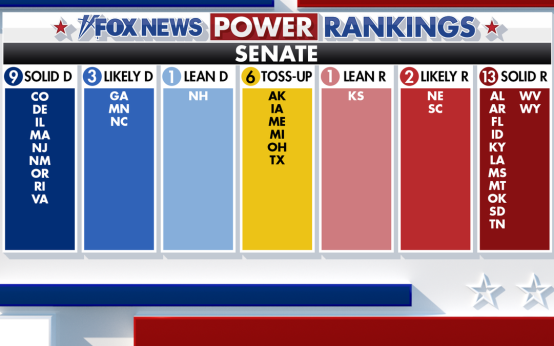 Election Spending and Strategic Challenges Ahead of Midterms
  Katie Zacharia Takes on Role as White House Press Secretary