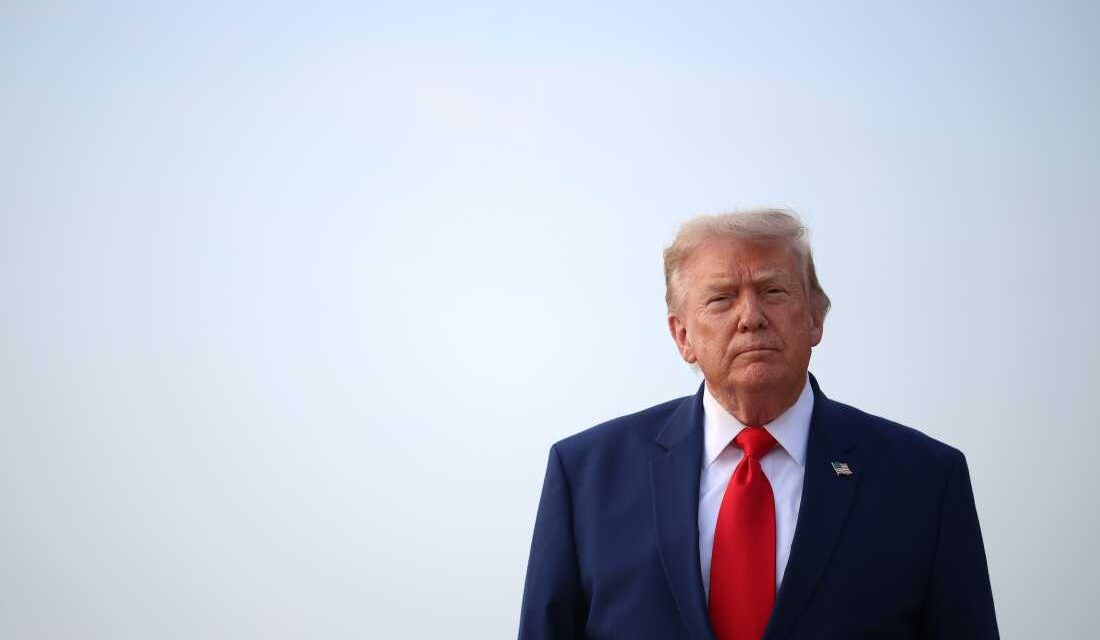
On July 22, 2026, U.S. President Donald Trump appeared visibly upset following a Supreme Court decision against his broad tariffs. Speaking at a White House press briefing on February 20, he remained determined to implement alternative measures. Trump stated, “Other alternatives will now be used to replace the ones that the court incorrectly rejected. We have alternatives, great alternatives.” These alternatives involve different laws for authorizing tariffs since the Supreme Court invalidated those under the International Emergency Economic Powers Act (IEEPA).
The administration has continued using various laws to resurrect the president’s tariff regime. Recently, it replaced a global tariff with new ones, imposed fees on Canadian imports, and hinted at future tariffs on pharmaceuticals. This persistent approach highlights Trump’s commitment to his economic policy, even as Americans express frustration with import taxes.
On Friday, at 12:01 AM Eastern, a global 10 percent tariff expired. This was initially under a law allowing temporary tariffs to address specific economic issues. Right after, new tariffs targeted America’s 60 largest trading partners, including the European Union. These tariffs, of 10 and 12.5 percent, were enacted under a law addressing unfair foreign trade practices, with importation of forced labor-produced goods cited by the administration.
Critics remain skeptical about the administration’s motives, suggesting the move is less about labor rights and more about economic strategy. During testimony, US Trade Ambassador Jamieson Greer faced accusations from Sen. Ron Wyden, D-Oregon, of making economic conditions worse for Americans and repackaging old tariff strategies.
Even with IEEPA gone, Trump utilizes other legal avenues—requiring slower processes—for tariffs. For example, tariffs on Canadian goods are set to rise by 50 percent soon, under a law from 1930, unused for tariffs until now. Trump’s methods show swift action in some cases, yet settling these tariffs might remain negotiable, akin to the ongoing USMCA renegotiation involving the US, Mexico, and Canada.
Moreover, there are existing threats such as halting trade with Spain due to military base disagreements and proposed pharmaceutical tariffs anticipated in two years. New tariffs use various legal statutes—sections 122, 338, 232, 301—resulting in a complex regulatory landscape for importers. Kathleen Claussen of Georgetown Law highlights this complexity compared to the previous year.
More tariffs could follow, as section-301 investigations target numerous countries, claiming unfair production methods like over-manufacturing. Despite Trump’s popularity wavering due to tariffs, he remains committed to them, associating them with his initial populist election pitch from 2016. Though employment in manufacturing has not increased as expected, Trump believes tariffs will yield long-term benefits by bolstering manufacturing.
US Trade Ambassador Greer conveyed that resolving trade issues through policy might not bring immediate fixes, but it is necessary. This approach highlights the gamble Trump takes by asking voters to balance current dissatisfaction with future potential benefits.
 Trump’s Media Ban Affects Event Coverage
 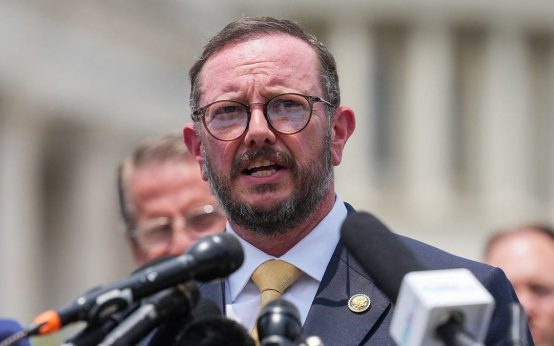 A Critical Perspective on National Spending and Healthcare from Representative Eric Burlison
 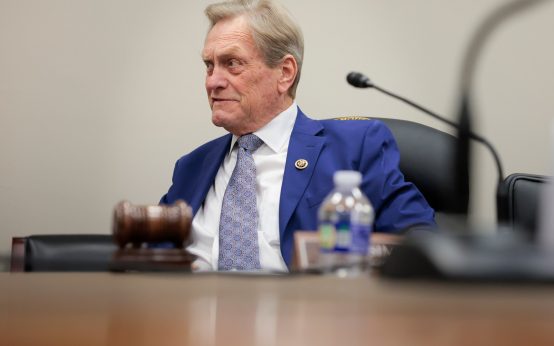 House Republican Criticizes Funding for Trump’s Arch Proposal
 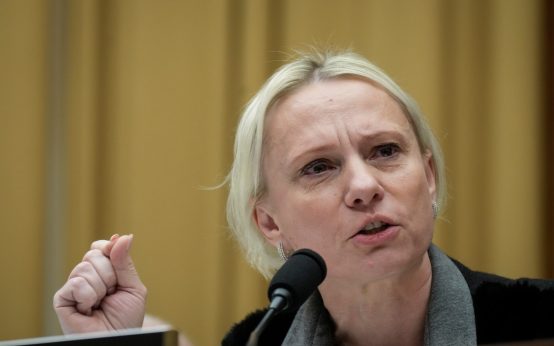 House Bill Proposes Dual Benefits for Combat-Injured Veterans
 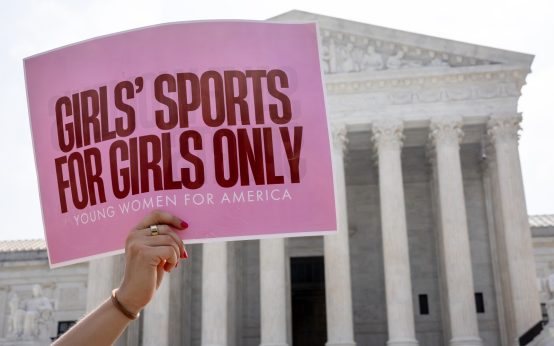 Democrats Navigate Transgender Athlete Debate Amid Midterm Elections
 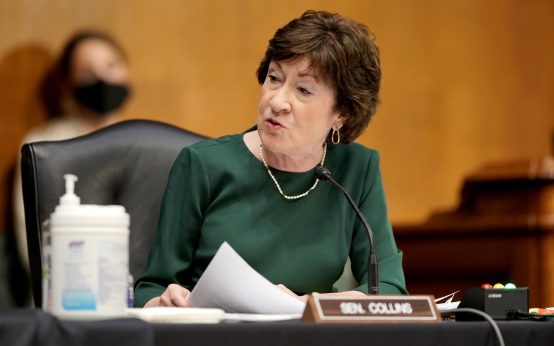 Senator Collins Warns Against Politicization of NIH Grant Funding