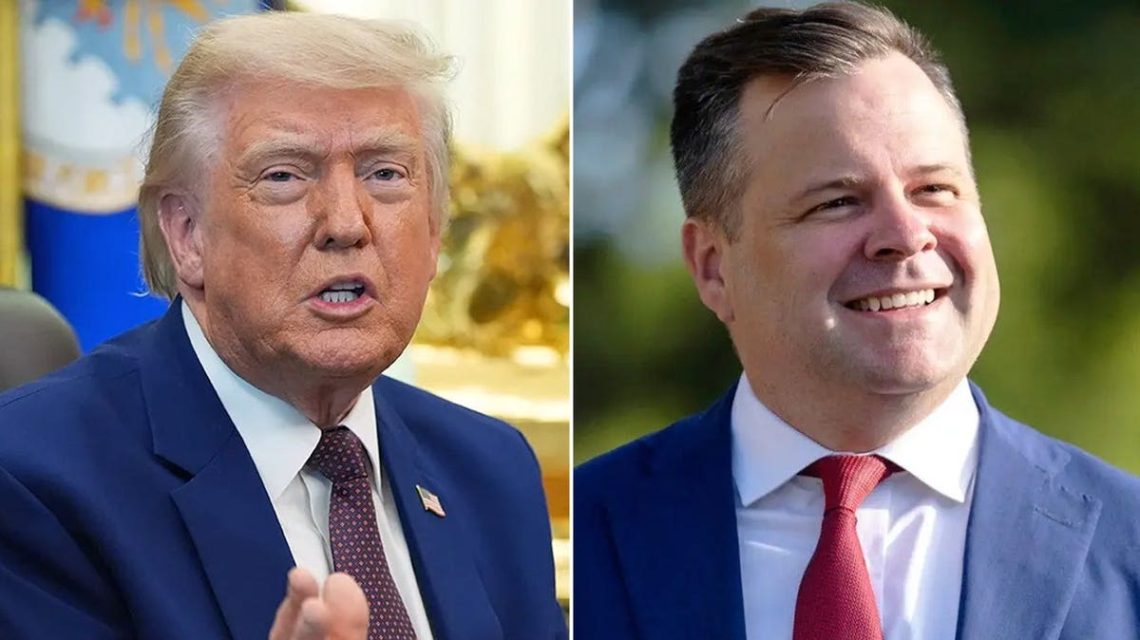
President Donald Trump announced his decision to appoint Bill Pulte, the chair of Freddie Mac, as the acting director of national intelligence. This follows Tulsi Gabbard’s resignation effective June 30. Trump aims for Pulte to reduce the Office of the Director of National Intelligence (ODNI) before a permanent director takes charge.
In an interview with The Wall Street Journal, Trump stated he wants Pulte to start a process of streamlining the ODNI, which he considers “unnecessary or too large.” Trump expressed interest in Pulte removing personnel, especially those linked to prior administrations.
Trump’s decision to nominate Pulte, who lacks intelligence experience, surprised many. However, Trump believes Pulte’s temporary status could expedite changes as the role doesn’t require Senate confirmation and can last up to 210 days.
Senate Intelligence Committee Chairman Tom Cotton supports Trump’s intentions, echoing past calls to downsize or eliminate the office. Cotton argues the ODNI has expanded beyond its intended role since its 2004 creation, which followed the 9/11 Commission’s recommendations. This office oversees coordination among the 18 U.S. intelligence agencies. Cotton previously proposed a cap of 650 employees, a significant reduction from the office’s current numbers.
The selection of Bill Pulte raised concerns with figures like Former Senate Republican Leader Mitch McConnell, questioning his lack of national security experience, as mandated by law. Despite this, Trump believes Pulte’s temporary appointment enables him to take necessary actions without the constraints faced by a permanent nominee.
Tulsi Gabbard’s decision to step down cited personal reasons, specifically her husband’s health. In her tenure, she had already cut the workforce by about 25%.
 Influence Concerns Surround California Political Donors
  Michigan Senate Race Sees Influences from Soros-Linked Funding
  Trump Seeks Diplomatic Success at the U.N. Amid Challenges
  North Carolina Senate Race Influenced by Abortion Policy Messaging
  Trump Pressures Republicans on Filibuster Threat
  Rep. Golden Endorses Rep. Lawler for Re-election