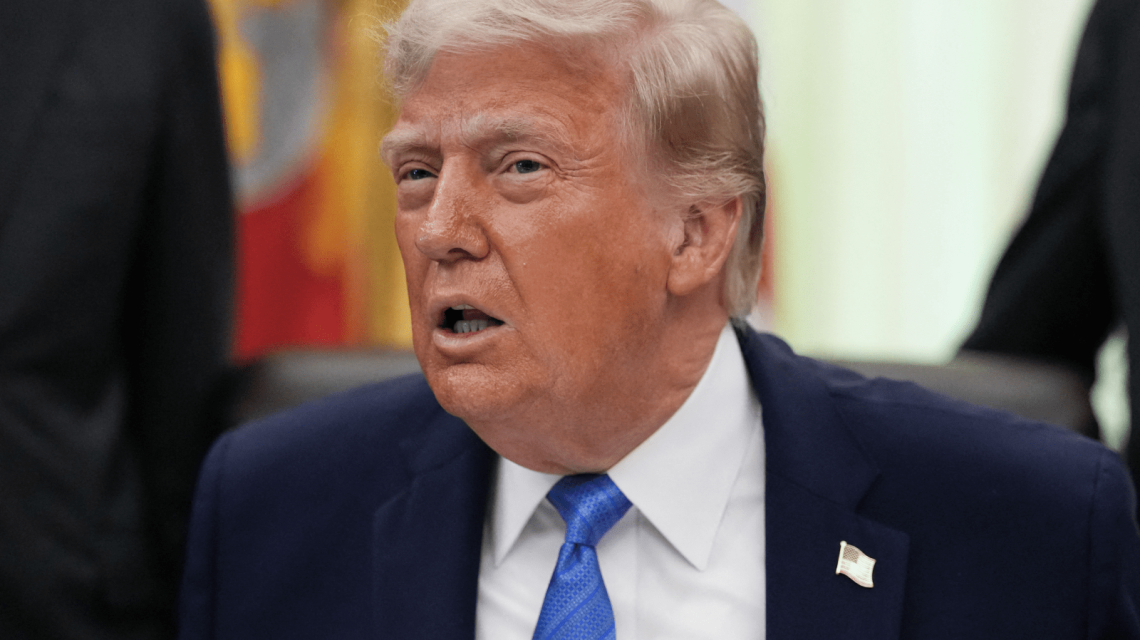
President Donald Trump has cast doubt on renewing the United States-Mexico-Canada Agreement (USMCA) as the three countries co-host the 2026 FIFA World Cup. His comments highlight economic competition amid political cooperation.
On June 10, Trump stated his intention not to renew the USMCA, coinciding with the start of the World Cup across North America. This timing underscores ongoing tensions that could affect trade negotiations.
Significance of the Moment
The North American trade relationship faces a crucial review in 2026. Governments must decide whether to extend the USMCA or risk its expiration in 2036. Trump’s remarks revitalize existing tensions over trade deficits, tariffs, and industrial policies.
Trump made his statements just hours before the World Cup kickoff on June 11, emphasizing unity through sports but contrasting that with trade friction. His comments suggest the possibility of entering a cycle of annual reviews if the USMCA is not extended.
Trade Deficit Concerns
Trump criticized the USMCA, which supports approximately $1.6 trillion in annual trade by allowing tariff-free movement across the continent. According to Reuters, the U.S. recorded a $46 billion goods deficit with Canada and a $197 billion deficit with Mexico last year.
Trump expressed skepticism about the need to renew the USMCA, arguing that the U.S. does not require goods from Canada or Mexico. Instead, he called for better treatment from these countries, expressing a desire for trade surpluses.
Calls for Stability
Canada has advocated for early renewal of the deal, emphasizing long-term trading stability. Despite disputes over tariffs during Trump’s second term, both Canadian and Mexican officials support the existing framework.
Economic Cooperation and Tensions
The United States, Canada, and Mexico are currently united on the global stage through the FIFA World Cup. However, Trump’s statements highlight ongoing trade disagreements, reflecting his broader strategy of collaboration on issues while pressuring allies on trade.
Infrastructure Developments
New developments also exemplify economic ties. The Gordie Howe International Bridge, nearing completion, aims to ease congestion at a major trade corridor. Despite political pressure, this project remains a key aspect of North American trade.
Canadian Prime Minister Mark Carney acknowledged delays but maintained the bridge would benefit trade for decades. This infrastructure project underscores the complexity of current trade negotiations.
Looking Ahead
Uncertainty surrounds the future of the USMCA. Whether through renegotiation or annual reviews, the coming weeks could reshape North American trade.
Negotiators plan to meet in Washington and Mexico City to discuss sectors like agriculture. These talks will be crucial in determining the region’s economic direction.
 Abdul El-Sayed Aims to Attract ‘Make America Healthy Again’ Supporters in Michigan Senate Campaign
  Turkey’s Ambitions and Regional Dynamics: The Mecca Joint Defense Agreement
  Trump’s Second Term Transformation of Washington
  Washington’s AI Concerns and the Promised Technological Future
  Efforts to Restrict Voter Registration Funding Trigger Concerns for Nonprofits
  American Workers’ Confidence and Economic Challenges