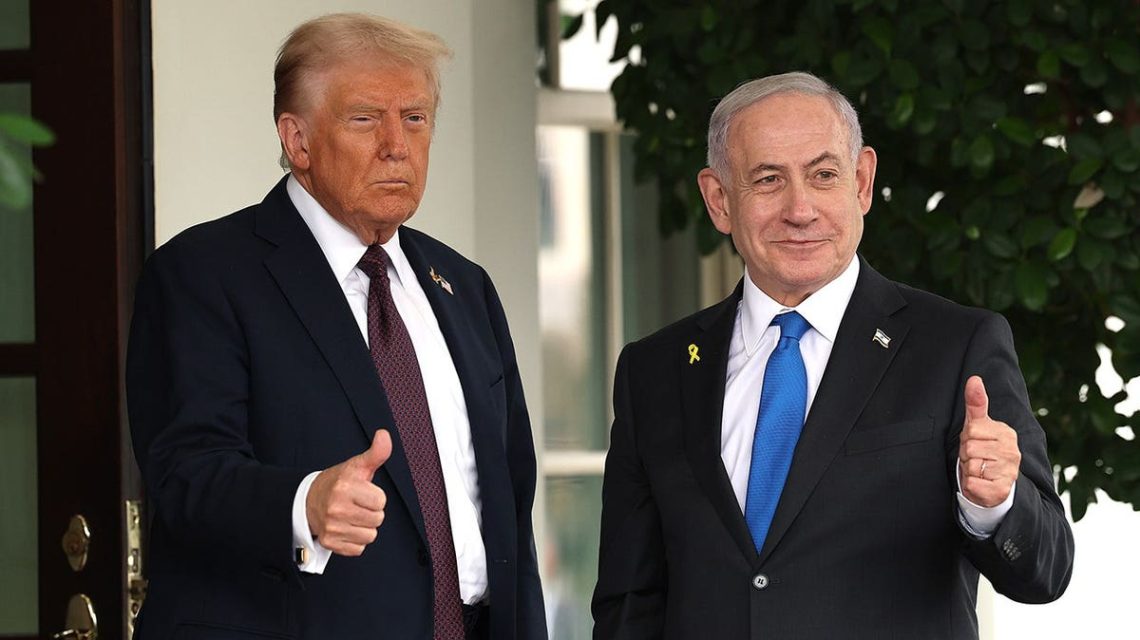
Recent interactions between President Donald Trump and Israeli Prime Minister Benjamin Netanyahu have been characterized by strategic leaks and phone conversations, suggesting a rift over Iran. However, a defense analyst noted this as a deliberate tactic to keep Tehran uncertain.
According to Kobi Michael, a senior researcher at the Institute for National Security Studies and the Misgav Institute, the public stance of diplomatic restraint from the U.S. while sidelining Israel aimed to establish a unified front. The strategy culminated in a synchronized phase over the weekend, where both leaders displayed complete alignment.
A report from Axios on Thursday noted a tense conversation between the leaders centered on a new U.S. proposal relayed to Iran via Pakistan. Netanyahu allegedly rejected this in favor of military action against Iran’s infrastructure. A U.S. source described Netanyahu’s reaction to the proposal as extremely intense.
Separately, other reports indicated that Israeli leaders felt excluded from U.S.-Iran discussions after Netanyahu’s earlier attempt to initiate a cooperative campaign against the Iranian regime did not succeed. On Sunday, Netanyahu expressed full support for the White House in a statement, emphasizing unity.
Netanyahu addressed the issue on X, confirming the strong partnership between the U.S. and Israel. He reiterated his stance that, like Trump’s, Iran would not be allowed to develop nuclear weapons.
Michael explained that the visible tension and strategic leaks were meant to mislead Tehran. The perceived disagreement gave Trump the image of a leader allowing for diplomacy despite Netanyahu’s pressures.
A phone call over the weekend reassured Netanyahu that any agreement with Iran would dismantle Tehran’s nuclear program. During this call, Trump also affirmed Israel’s right to self-defense.
The U.S. has kept Israel informed about ongoing negotiations concerning the reopening of the Strait of Hormuz and other unresolved issues, as stated in an official release. Following their Sunday conversation, Netanyahu thanked Trump for his steadfast dedication to Israel’s security.
Michael noted that Netanyahu’s communication aimed to assure the Israeli public that events were carefully coordinated with the U.S., and diplomatic moves would align with Israeli interests. Despite this alignment, doubts persist in Jerusalem regarding whether the U.S. and Iran can reconcile differences.
Emma Bussey, reporting for Fox News Digital, contributed additional insights based on her experience in various international and political desks.
 Public Confidence in the Supreme Court at Record Lows
  Federal Authorities Arrest California Lawmaker’s Aide for Visa Overstay
 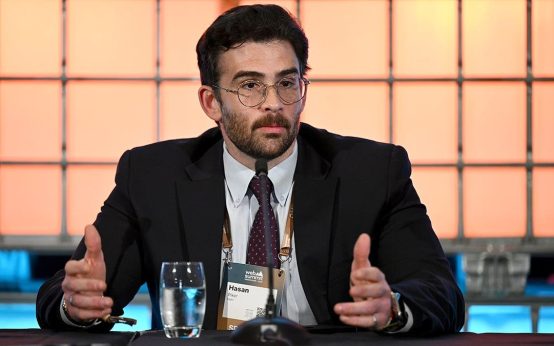 Hasan Piker Addresses Controversial Comments and Political Involvement
 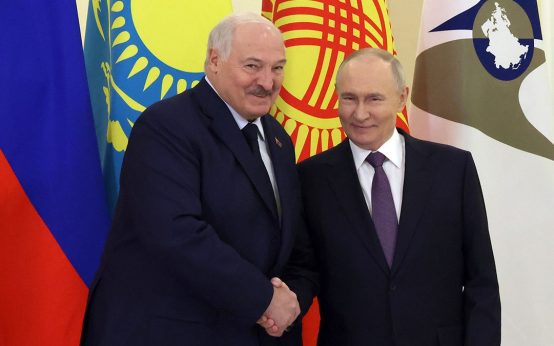 Lukashenko and Putin Share Light Moments While Strengthening Ties
  Kamala Harris on Possible 2028 Run Highlights Midterm Importance
  Lawmakers Urge End to U.S. Military’s Drug Boat Strike Campaign