
President Donald Trump emphasized the importance of expanding the Abraham Accords when negotiating any new agreement with Iran. He proposed that additional countries, including Saudi Arabia and Turkey, should join the normalization deals established during his previous term.
In his social media announcement, Trump stated that the discussions are progressing well. However, he linked any final agreement to increased participation in the accords, initially agreed upon in 2020. He singled out Saudi Arabia and Qatar as priority additions, recommending subsequent involvement from Pakistan, Turkey, Egypt, and Jordan.
Bahrain and the United Arab Emirates were the first to join the accords in 2020. Trump voiced that, given the extensive effort by the U.S. to piece this complex agreement together, it is essential for these nations to become signatories. He mentioned that although some exceptions might occur, most countries should contribute to the initiative.
Both Egypt and Jordan already officially recognize Israel, having established peace treaties in the past. However, the timeline and specifics of how potential deals with Iran might interact with accord membership remain uncertain.
Trump also indicated that Iran itself might eventually sign the accords if an agreement is finalized. The Abraham Accords involve a series of diplomatic, economic, and security collaborations led by the U.S., featuring countries in the Middle East and North Africa. Initially involving Israel, the United Arab Emirates, and Bahrain, the initiative later included Sudan, Morocco, and Kazakhstan. The accords aim to foster regional cooperation and were seen by the administration as steps towards establishing comprehensive relations with Israel.
 Influence Concerns Surround California Political Donors
 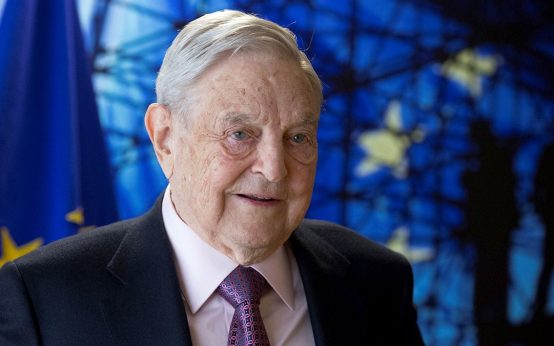 Michigan Senate Race Sees Influences from Soros-Linked Funding
 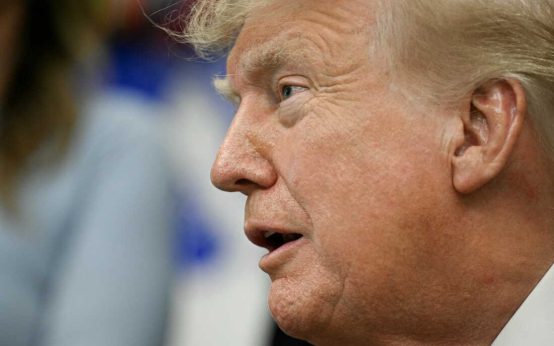 Trump Seeks Diplomatic Success at the U.N. Amid Challenges
 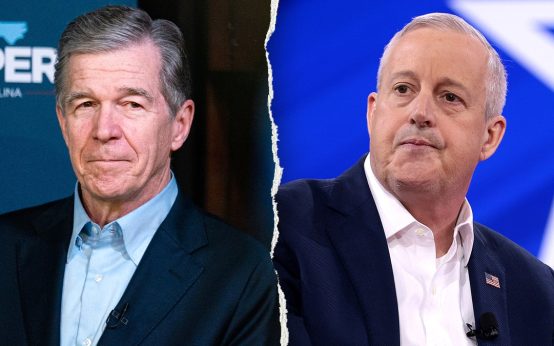 North Carolina Senate Race Influenced by Abortion Policy Messaging
 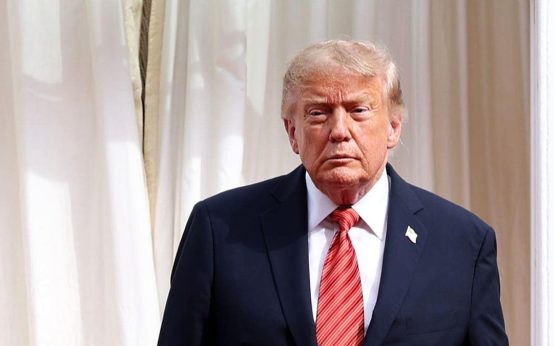 Trump Pressures Republicans on Filibuster Threat
  Rep. Golden Endorses Rep. Lawler for Re-election