
Trump Administration’s Decision on ACA Marketplace
The Trump administration announced significant changes on Tuesday to the Affordable Care Act (ACA) marketplace. Officials stated they would remove over 1 million people to address what they described as widespread fraud within the program. Many of these enrollees, they claimed, had never actively signed up for coverage.
Details from the Conference
Vice President JD Vance, addressing the press, explained that the administration planned to halt Obamacare registration for more than 700,000 individuals suspected of fraudulent enrollment. Dr. Mehmet Oz, Administrator for the Centers for Medicare and Medicaid Services (CMS), emphasized that some beneficiaries being removed had never filed a claim.
Historically, Republicans have argued that the ACA is vulnerable to fraud and misuse. Yet, this new approach by the Trump administration has sparked worries that legitimate beneficiaries might be unfairly excluded from coverage.
“It is entirely possible that many of these people were enrolled without their knowledge or were so-called phantom enrollees,” said Cynthia Cox, senior vice president at KFF.
Newsweek reached out to CMS for additional comments.
Trump Administration’s Stance
The administration asserts that the ACA marketplace is currently exposed to sophisticated fraud tactics. These tactics allow malicious actors to enroll others without consent, enabling fraudulent claims on federal premium subsidies. CMS released a fact sheet indicating numerous unauthorized enrollments and evidence of broader eligibility issues.
Vance stated, “We are stopping Obamacare enrollment for about 750,000 people, who we believe are fraudulently enrolled.” He also mentioned additional verification would be carried out on approximately 419,000 people to confirm their residency and income thresholds for receiving benefits.
Dr. Oz highlighted instances where enrollees had never used federal subsidies, implying enrollment occurred without their consent.
The administration contends this approach is vital to safeguard taxpayers and ensure the marketplace’s integrity. They predict $2.2 billion in recovered funds.
“Insurers were asked to contact the identified individuals. If they failed to respond within 30 days, coverage was canceled,” Cox added.
Evidence of Fraud
Clear evidence supports the presence of fraud in ACA marketplaces. A 2026 Government Accountability Office (GAO) report revealed how investigators obtained subsidized coverage using false applications.
The GAO found unauthorized changes in broker records, alongside CMS reporting concerning numbers of complaints related to suspicious enrollments.
Concerns About False Positives
Dr. Oz argued that a lack of claims indicates fraudulent activity among many enrollees. However, some critics believe this perspective could unjustly impact valid enrollees.
A study by Wakely Consulting Group noted that instances where no claims are made could arise from legitimate reasons. Certain enrollees might not have sought medical care or been enrolled only partially through the year.
Senator Chuck Schumer criticized the administration on X, stating, “Kicking hundreds of thousands more people off their health insurance is not the solution.”
The ACA Marketplace Explained
The ACA Marketplace, also known as the Obamacare exchange, was established in 2010. It permits individuals without employer-sponsored plans to purchase private health insurance. Depending on income, consumers may qualify for federal subsidies to lower insurance costs. The marketplace serves those not qualifying for Medicare or Medicaid.
Current Marketplace Enrollment
Enrollment numbers in the ACA marketplace have surged, reaching historic levels. Over 24 million people selected plans for 2026. Enhanced subsidies have made plans more affordable, resulting in increased federal spending on premium support.
Potential Targets for Removal
The Trump administration focuses on eliminating ineligible participants rather than those entitled to benefits. Groups under review include:
- Individuals with unverifiable identity or eligibility information
- Those linked to broker-enrollment complaints
- Enrollees flagged through anti-fraud audits
- Individuals with unresolved subsidy documentation issues
Future Steps
Vance and Oz emphasized the initiative’s goal to reduce waste and protect taxpayer money, projecting over $2 billion saved. The timeline for removing enrollees remains ambiguous. CMS mentioned a moratorium on new broker registrations for 2027 without an active 2026 Exchange Agreement while improving the system.
 Nevada Attorney General Faces Questions Over Clemency Bid
  Shakeup in Mayor Johnson’s Administration with Key Retirements and Appointments
  House Republicans Challenge DOJ Over Smith Investigation
 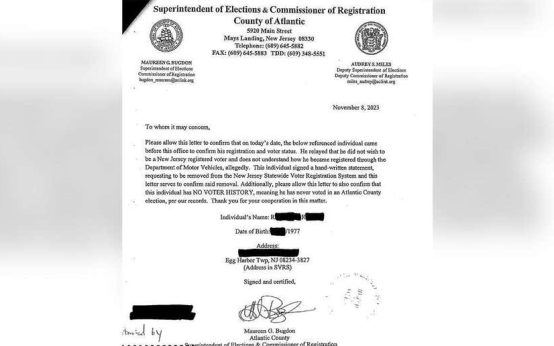 RNC Sues New Jersey Over Voter Roll Transparency
  Karoline Leavitt on Trump’s Tense Calls with Putin and Xi
  Randy Fine’s Bold Stance on Foreign Policy and Domestic Issues