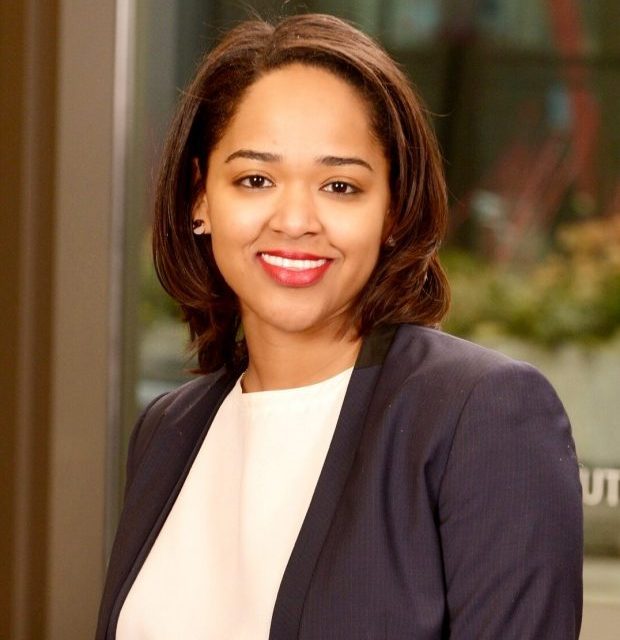
Mayor Brandon Johnson’s administration is experiencing changes with the retirement of Mary Richardson-Lowry, the corporation counsel at City Hall. Richardson-Lowry, a seasoned veteran from the Mayor Richard M. Daley era, has been the top lawyer for over three years in this role.
To fill the vacancy, Mayor Johnson has nominated Renee Hatcher, who is a law professor and the director of the Community Enterprise & Solidarity Economy Clinic at the University of Illinois Chicago. Hatcher’s appointment requires approval from the City Council. In his statement, Mayor Johnson commended Richardson-Lowry saying, “Mary has been a trusted partner and a key voice at my side throughout my tenure as Mayor. She has helped guide this administration through some of the most consequential legal challenges facing our city, while always bringing a deep commitment to public service and protecting the people of Chicago.”
Renee Hatcher has been actively involved with the city’s Community Wealth Building Advisory Committee and has also participated in Johnson’s transition subcommittee for economic equity. She expressed enthusiasm about her new role by stating, “Throughout my career, I have partnered with communities to use the law to build economic power, strengthen neighborhoods, and advance justice with working people. I am grateful for the opportunity to bring my experience to the City of Chicago and to serve the residents of the city I call home.”
During her tenure, Richardson-Lowry was a vital figure within Mayor Johnson’s administration, present at numerous news conferences and involved in significant decisions. One of her accomplishments includes facilitating the city’s first “global settlement” to resolve lawsuits related to police misconduct. This settlement reportedly saved the city over $400 million. Richardson-Lowry highlighted the importance of addressing these legal matters by saying, “We spent a lot of years kicking cans down the road. We cannot carry that burden further. We have to solve for these cases. We have to close that chapter.”
Richardson-Lowry’s department was instrumental in resisting several policy efforts by President Donald Trump’s administration. She led lawsuits against the Trump administration to challenge various federal actions and policies, including immigration and funding cuts to the city. Additionally, Richardson-Lowry spearheaded legal efforts against gun manufacturer Glock, pressuring them to discontinue certain models that could easily be modified into automatic weapons. She welcomed Glock’s decision, viewing it as an effort to reduce illegal guns on Chicago streets.
Her career began in the city’s Law Department four decades ago. She later served as the Department of Buildings commissioner under Mayor Daley, moved into private practice, and returned to City Hall when Johnson took office. “From the beginning, my goal was not simply to manage the challenge in front of us, but to leave the Department stronger and better equipped for the challenges that would come next,” Richardson-Lowry remarked, adding that under her leadership, the department improved risk assessment, litigation management, and oversight of taxpayer resources.
Her departure comes amidst other changes in the administration. Recently, Tiheta L. Hinton was appointed to lead the city’s Department of Human Resources following Sandra Blakemore’s exit. JuanPablo Prieto has been named Commissioner of the Department of Fleet and Facility Management after Julie Hernandez-Tomlin’s departure. Additional recent changes include the director of communications, budget director, chief financial officer, and commissioner of public health roles.
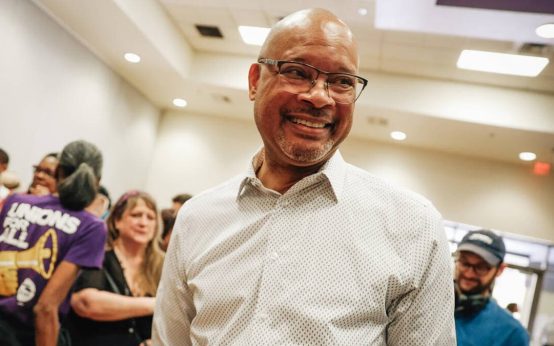 Nevada Attorney General Faces Questions Over Clemency Bid
 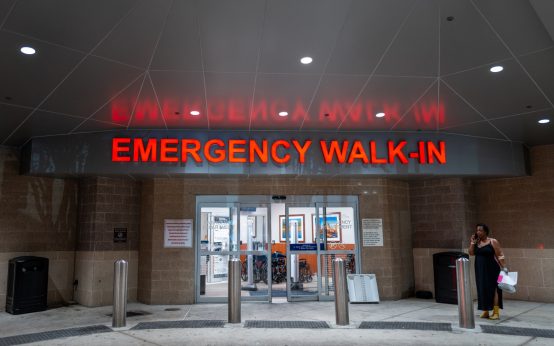 Trump Administration’s Crackdown on ACA Coverage
 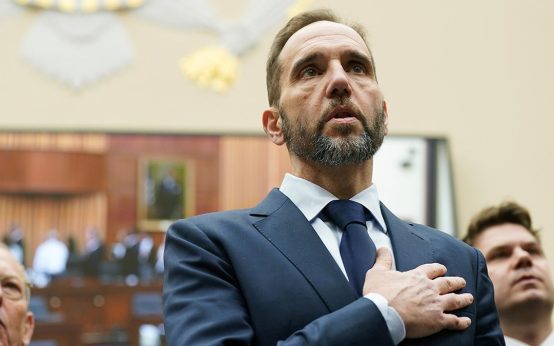 House Republicans Challenge DOJ Over Smith Investigation
 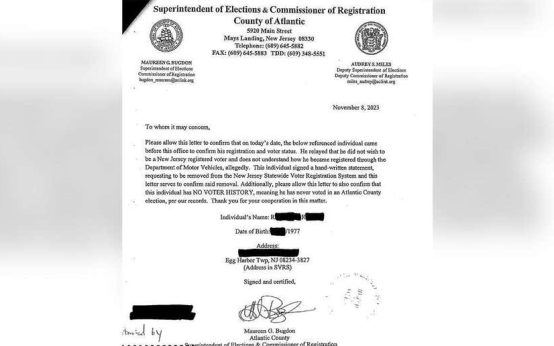 RNC Sues New Jersey Over Voter Roll Transparency
  Karoline Leavitt on Trump’s Tense Calls with Putin and Xi
  Political Strategies for the Upcoming Midterm Elections