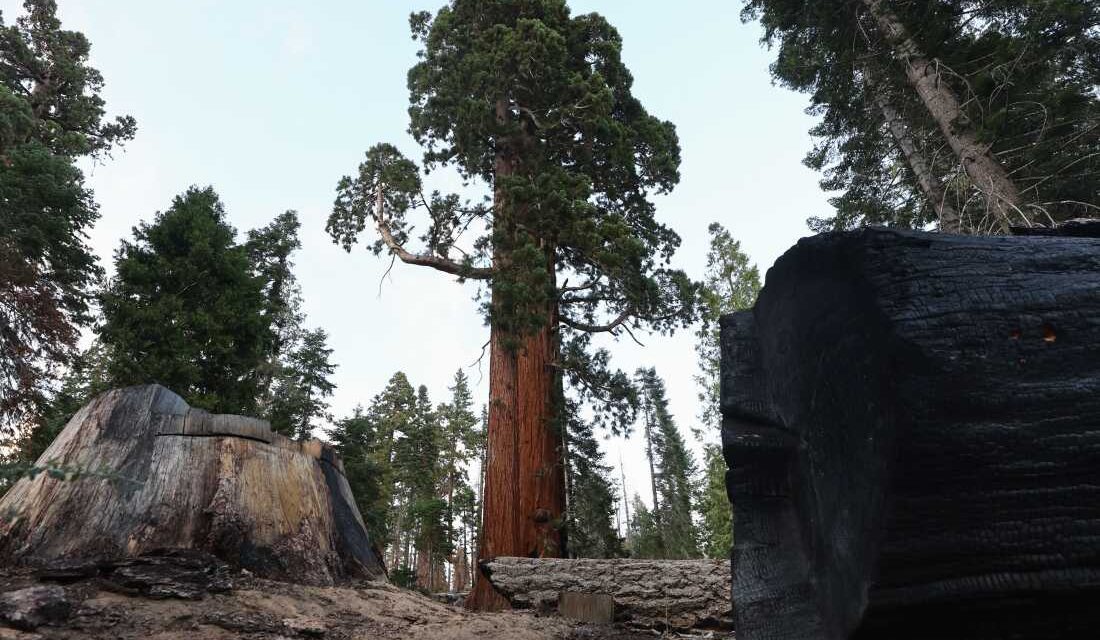
A giant sequoia tree dominates the Trail of 100 Giants in the Sequoia National Forest, California, standing at a circumference of 70 feet. This ancient landscape is part of a larger national debate over environmental policy.
The Trump administration announced plans to roll back the ‘roadless rule’, an environmental regulation from the Clinton era that restricts road construction, logging, and mining across millions of acres of public forest land. Implemented in 2001, it has been a cornerstone of conservation policy, especially in Western states, amidst ongoing debates over economic development.
U.S. Department of Agriculture Secretary, Brooke Rollins, stated, “Our forests can’t afford another decade of inaction.” Rollins emphasized the need to reform the roadless rule to return forest ecosystems to health and productivity.
“Rescinding it restores flexibility to make thoughtful decisions based on the needs of each forest and each community,” remarked Utah Governor Spencer Cox, highlighting the potential for improved resource management.
Conversely, environmental groups defend the roadless rule as essential for conservation, preventing industrial activities and preserving ecosystems nationwide. Drew Caputo from Earthjustice described it as “the most important land protection measure of the last 60 years.”
The Trump administration argues that revoking the rule could enhance economic growth, yet conservation supporters claim it stopped unprofitable timber sales managed by the Forest Service. Steve Ellis of Taxpayers for Common Sense warned repealing the rule could worsen the Forest Service’s $6 billion road maintenance backlog.
During a summer of intense wildfires, the administration suggests changing the rule could enhance fire management by increasing access to vulnerable areas. Nick Smith of the American Forest Resource Council notes road construction could aid firefighting efforts.
However, Caputo counters with evidence that human activities cause most wildfires, suggesting more roads could increase fire risks. Overgrown vegetation and climate change contribute to dangerous fire conditions.
Public comments on this proposed change are open until September 21, 2026. This proposal aligns with other Trump actions weakening environmental protections, including changes to the Endangered Species Act and opening marine monuments to commercial activities.
 Advancements in Nuclear Power for America’s Energy Needs
 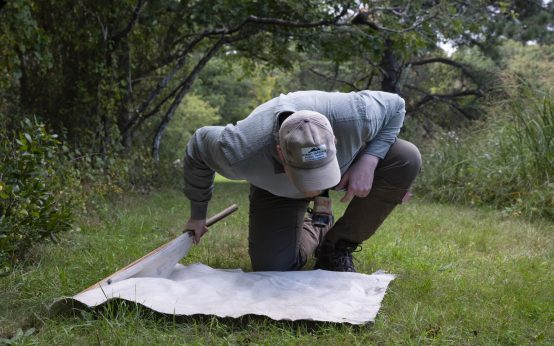 Tickborne Alpha-gal Syndrome Impacting Martha’s Vineyard
 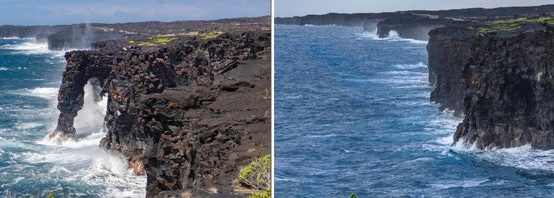 Collapse of Holei Sea Arch on Hawaii’s Big Island
 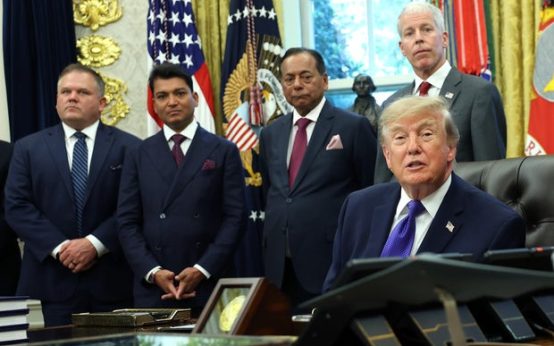 Contentious Tax Incentives Spark Debate Over Iowa Steel Plant
  Evaluating the Choice of Electric Vehicles Amid Rising Fuel Costs
  New article title