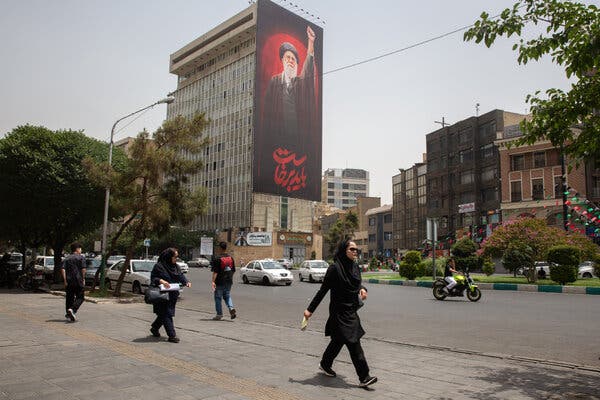
The United States executed airstrikes against several targets in Iran following the revocation of a waiver that permitted global sales of Iranian oil. This military action responded to Pentagon reports of Iranian assaults on commercial ships transiting the strategic Strait of Hormuz.
According to the military’s Central Command, U.S. forces initiated a series of impactful strikes on Iran as a consequence of its attacks on commercial vessels crewed by civilians in the international waterway. The incident involved a Saudi oil tanker and a Qatari liquefied natural gas carrier off the coast of Oman. These assaults risked disrupting the resumption of energy supplies and undermining the tentative agreement between Washington and Tehran to reopen the waterway.
Tehran has not claimed responsibility for the attacks. Additionally, there was no immediate statement from Iranian authorities, who are conducting extended funeral ceremonies for Ayatollah Ali Khamenei, the supreme leader who died on the first day of the conflict. Discussions between Iran and the United States are paused until after these ceremonies conclude.
While both nations have concurred on reestablishing access to the strait, with President Trump endorsing unrestricted navigation, the preliminary accord lacks detailed procedures. It entrusts Iran with facilitating long-awaited traffic flow. Iran requires commercial ships to navigate near its shore in a channel under Iranian oversight, yet numerous vessels opt for the American-assisted route near Oman’s coast.
 AI Fears Impact Trump-Xi Dialogue Amidst Challenges
  Venezuelan Leadership Highlights U.S. Relations
  Controversy Surrounds Piers Morgan Following Claims in Earl Spencer’s Memoir
  Ontario Synagogue Shooting During Yom Kippur
  Pope Leo XIV’s Upcoming Visit to Latin America
  Ukraine Deploys Ground Robots in Operation Vivaldi