
Massive crowds of Iranians gathered in Tehran on Saturday to honor Ayatollah Ali Khamenei at his state funeral. This extensive ceremony marked the beginning of a week of public mourning for the Iranian supreme leader, who deeply influenced the country for decades before succumbing during the U.S.-Israeli conflict in February.
From dawn, tens of thousands converged on the Grand Mosalla mosque for six days of ceremonies. According to eyewitnesses, streams of mourners clad in black moved steadily toward the prayer grounds, often carrying images of Khamenei, waving flags, and chanting tributes. The event reflected the ongoing turmoil in Iran, as the nation faced significant anti-government protests this year and subsequent war with the U.S. and Israel.
On Friday, a private ceremony saw foreign diplomats and officials pay respects to Khamenei’s casket, wrapped in a flag. Following Tehran’s processions, his remains will journey to Qom, then to sacred sites in Iraq, before his final resting place in Mashhad on Thursday. These locations are vital to Shiite Muslims.
Despite mourning, many Iranians have criticized the protracted and costly funeral events. Over Khamenei’s 37-year rule, dissent was stifled, and economic troubles persisted. His son, Mojtaba Khamenei, has been appointed as the new leader, yet his absence from public events since the appointment leaves questions.
The delay in Khamenei’s burial diverges from religious norms, with authorities likely cautious of large gatherings due to the potential threat of further attacks, though a cease-fire with the U.S. was recently agreed upon. Different sectors of Iranian society presented varied reactions to the cease-fire and funeral, with some hard-liners critiquing perceived concessions to the U.S.
Negotiations between Iran and the U.S. are progressing slowly despite attempts by Qatar and Pakistan to mediate. Key shipping routes like the Strait of Hormuz remain contentious, and other complex disagreements lack resolution.
During the ceremonies in Tehran, tens of thousands filled the Grand Mosalla for mourning. The scene was characterized by mourning attire and tributes to Khamenei, who left a significant mark on Iran’s governance and the Shiite community.
Iran plans a public procession across five cities, beginning in Tehran and ending in Mashhad. These activities, beginning Saturday, will culminate in the burial at Mashhad’s sacred Imam Reza shrine, a revered site for Shiite Muslims. The process will spotlight the logistical and political challenges facing Iran amid internal and external pressures.
Khamenei’s body will first lie in state at the Grand Mosalla, accessible to the public starting Saturday morning, with authorities declaring a public holiday to accommodate mourners. The route through Tehran will be marked with banners promoting unity, and security personnel will line the streets.
Over 700,000 are expected to join smaller processions in the greater region, and traffic management will be critical, with officials urging people to rely on public transport.
The next stop is Qom, approximately 100 miles south, where a significant Sunni mosque becomes the setting for mass prayers. Qom authorities have planned substantial provisions for water and food to accommodate the anticipated crowds and extreme temperatures.
On Wednesday, the procession continues to Iraq, with key events in Karbala and Najaf. In these cities, which hold historical significance for Shiite Islam, Khamenei’s image is prominent at gatherings. Despite other clerical authorities holding religious precedence, Khamenei wielded political influence through affiliations with Shiite groups across the region.
The final stretch in Mashhad expects significant attendance. After a ceremony at the Imam Reza shrine, the burial will occur, reflecting Khamenei’s stature and religious impact within Iran and the broader Shiite community.
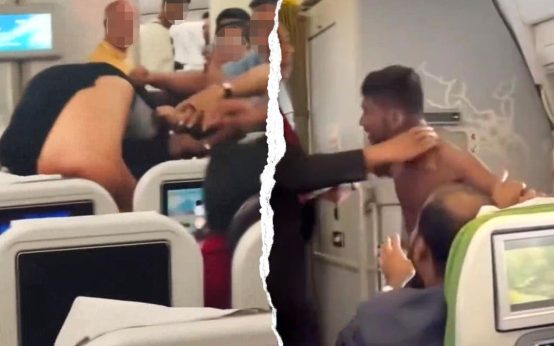 Midair Altercation on Bangladesh to London Flight
 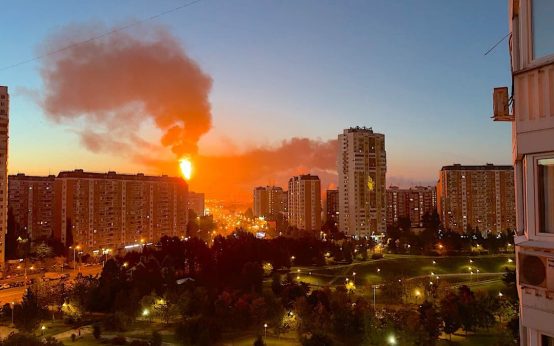 Ukraine Missile and Drone Barrage Hits Russia Amidst Elections
  U.S. Strategic Goals Remain Unmet Amid Prolonged Conflict
  New Photos Reveal Damage from Iranian Strikes in the Middle East
  Assassin of Chilean Diplomat Orlando Letelier Faces Deportation 50 Years After Assassination
  Gorillaz and Macklemore Respond to Controversy Over Israel-Palestine Statements