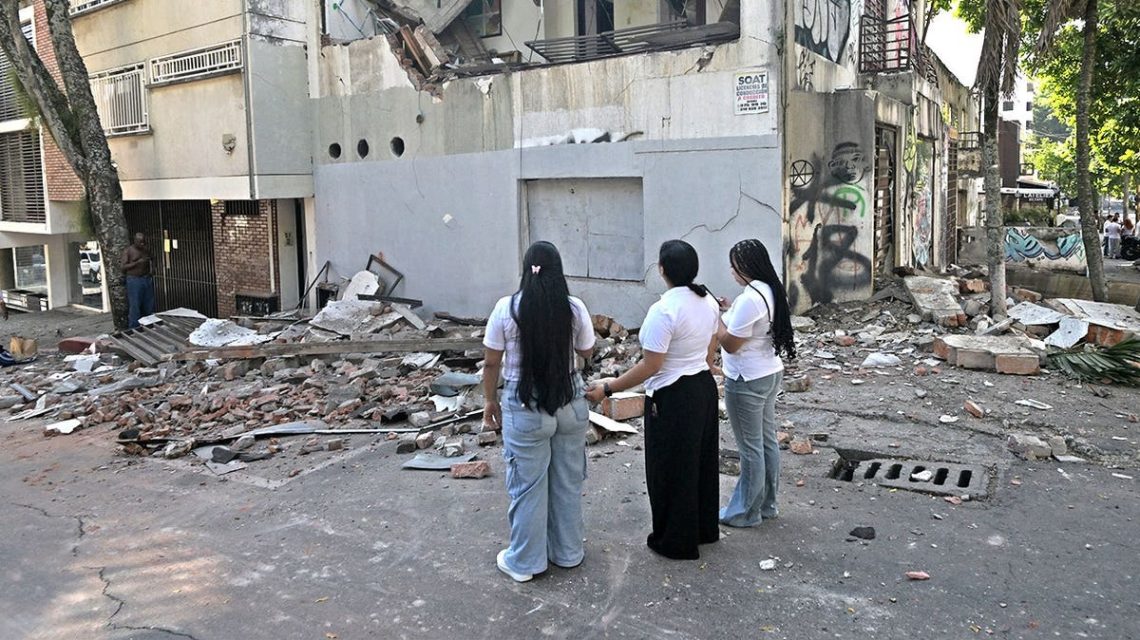
Americans planning to visit Colombia face new safety concerns after a 7.4-magnitude earthquake shook the western part of the country on August 10. The event resulted in at least 289 deaths and the destruction of over 26,000 homes, based on reports by The Associated Press (AP).
The earthquake’s epicenter was located in Chocó, and the region continues to deal with extensive damage. This natural disaster adds to existing travel advisories in Colombia. The U.S. State Department has issued a Level 3 ‘Reconsider Travel’ advisory for the country, highlighting risks such as crime, terrorism, civil unrest, kidnapping, and natural disasters. Certain areas carry the severe Level 4 warning.
U.S. visitors to Colombia should be cautious as they might become targets for criminals, including being victims of drug schemes, robberies, or assaults.
The earthquake’s center was near San José del Palmar in Chocó, roughly 250 miles west of Bogotá, Colombia’s capital. Though away from main tourist locations, the earthquake’s impact necessitates careful travel planning.
Fox News Digital obtained footage showing the earthquake’s aftermath in Pereira, with noticeable home damage. Last year, approximately 1.2 million U.S. citizens visited Colombia, according to its Ministry of Commerce, Industry and Tourism.
Popular destinations for American travelers include Cartagena, Medellín, and Bogotá. Despite being outside these hubs, conditions in affected areas may influence travel plans, especially transportation and itineraries.
Travel expert Angel Castellanos advised travelers to verify if their itinerary involves any affected regions. He suggested checking with airlines to ensure flights remain unaffected and emphasized the importance of travel insurance.
“I recommend buying travel insurance when spending significant amounts on airfare and hotels,” Castellanos stated.
Castellanos also urged American travelers to join the State Department’s Smart Traveler Enrollment Program (STEP). This program registers trips with the nearest U.S. embassy or consulate, offering a safety net.
The STEP registration is viewed by Castellanos as a critical precautionary action for travelers. He likened it to a mundane yet important task done out of care for family and loved ones. Registering ensures itineraries are logged in case issues arise.
 Comparing Beach Totes: Find Your Perfect Match
  Running Shirtless in Venice Spurs Costly Lesson for U.S. Tourists
  How to Avoid Being a ‘Touron’: Common National Park Mistakes
  Vilnius Hosts Thrilling International Corgi Race
  Rough Rides on Greek Island High-Speed Ferries Prompt Concerns
  Debate on the Effectiveness of CT Scanners in Airport Security