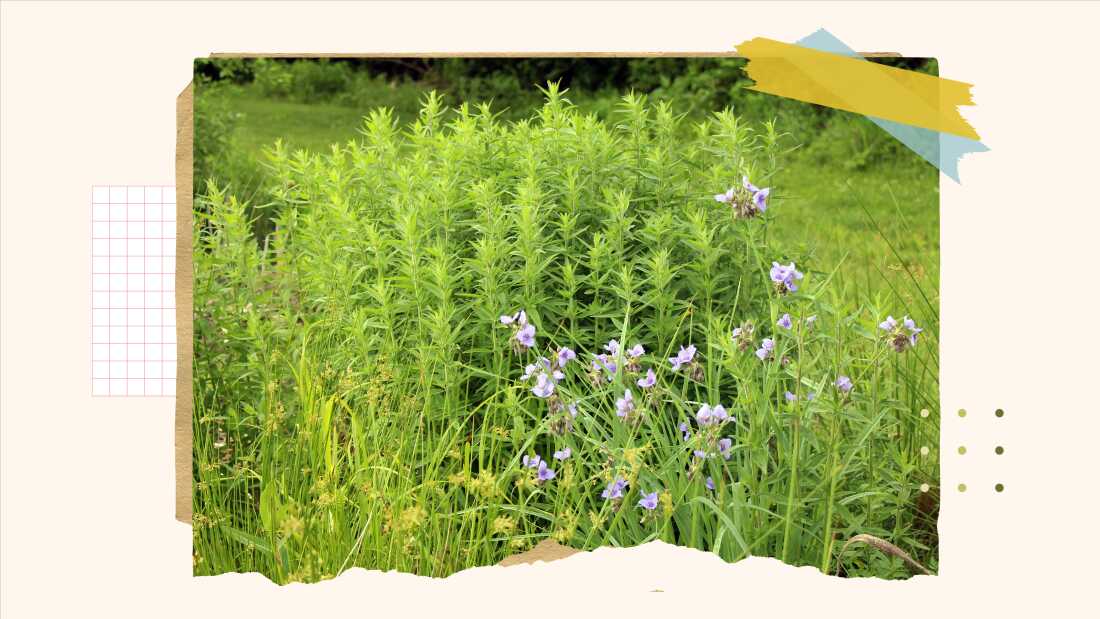
Three years ago, a garden near the Kansas City metro area transformed from a mere lawn into a thriving space filled with Midwest native plants like Ohio spiderwort and mountain mint. These plants have successfully attracted numerous pollinators, creating a vibrant ecosystem.
NPR is dedicating a week to discussing how communities are progressing with climate solutions even as federal efforts stall. Despite political obstacles, states, cities, and neighborhoods are working to reduce climate pollution and adapt to extreme weather.
The Environmental Impact of Lawns
Lawns are popular for recreational activities, but they cover 40 million acres in the U.S., akin to the size of Georgia, and have significant environmental downsides. The Environmental Protection Agency reports that gas-powered lawn tools emit 30 million tons of air pollutants annually. Additionally, weedkillers and fertilizers wash into lakes and rivers during rainfall, harming aquatic life.
Creating Wildlife-friendly Spaces
Shrinking lawns reduces environmental impacts and opens space for wildlife-supporting gardens. This is crucial as North America has lost a quarter of its birds and a fifth of its butterflies.
University of Delaware entomologist Doug Tallamy calculates that halving U.S. lawns and adding native plant gardens could surpass the habitat space of national parks like Yellowstone.
Steps to Transition Your Lawn
1. Choose a Spot to Begin
Start small to avoid overwhelming yourself. Stacia Stelk from Deep Roots KC suggests targeting manageable areas like borders along fences or sidewalks. Adding flower beds around trees provides caterpillars a safe transition space from feeding to forming chrysalises.
2. Select Appropriate Plants
Native plants serve as a powerful magnet for wildlife. Monarch caterpillars, for example, rely on milkweed. Start by evaluating conditions like sunlight and soil quality, then choose region-specific plants.
Websites like GrowNative.org offer plans and plant choices tailored to local conditions. Check regulations before planting, as local codes may restrict certain vegetation.
3. Remove Grass Effectively
Different methods suit different needs. You can solarize grass using transparent plastic during summer or cover areas with cardboard to block sunlight. Sod cutters or herbicides are alternatives, but each requires varying effort and time.
Once dead, grass naturally decomposes. Iowa State University offers guidance on each technique. Use what’s best for your circumstances.
4. Acquire Native Plants
Native plant nurseries provide plugs that are affordable and quickly growing starter plants. Local groups might offer free seedlings or swaps. Prairie Moon Nursery gives instructions for seed planting, though it demands patience.
5. Plant and Wait
Plant your selections with mulch for protection. Ensure spacing allows mature plants to nearly touch. This minimizes future maintenance needs.
Some perennials take time to establish, typically flourishing by their third year. Despite variations, many grow and fill spaces effectively.
6. Maintain and Enjoy Your Garden
Regularly check for weeds and water new plants to develop strong roots. Mature native plants generally require less watering.
Don’t cut plants completely during winter. Leaving stems provides homes for insects like native bees. Retain fallen leaves for butterflies overwintering.
Witness a lively environment as wildlife thrives due to your efforts. Attractive sights and sounds will enrich your garden experience.
Celia Llopis-Jepsen hosts ‘Up From Dust’, an environmental podcast, with contributions from Sylvie Douglis. Edited by Shahla Farzan, Malaka Gharib, and Neela Banerjee.
Email feedback to [email protected] and explore Life Kit on Apple Podcasts and Spotify. Subscribe to the newsletter for more.
 Impact of New Tariffs on Green Energy Transition
 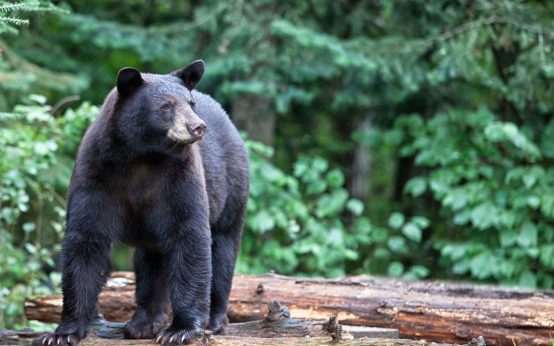 Cornell University Implements Ban on Processing Wild Game in Campus Kitchens
  Lake Mead’s Historic Low Water Levels Highlight Colorado River Crisis
 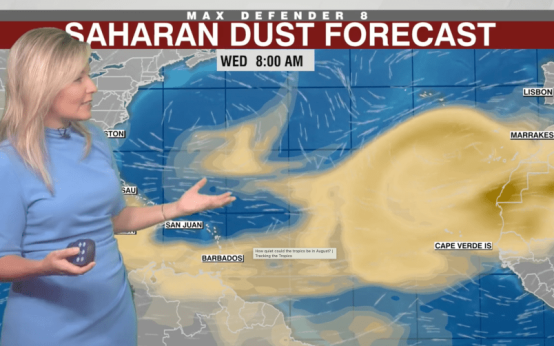 Impact of Saharan Dust on U.S. Weather
  Hanoi’s Urban Transformation: Growth and Challenges
 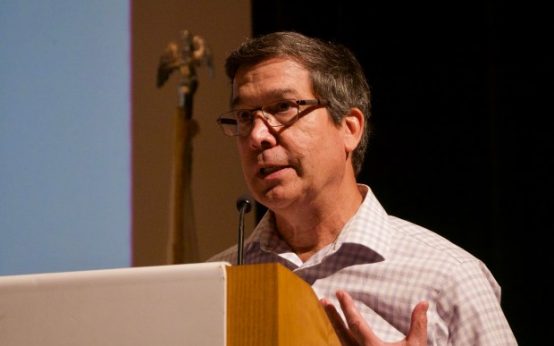 Grayslake Residents File Lawsuit Against Data Center Project