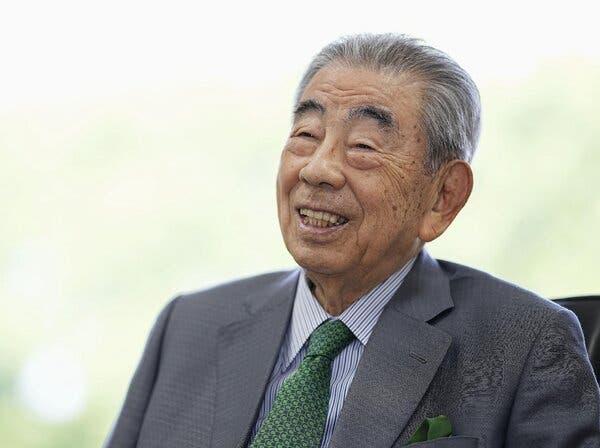
Toshifumi Suzuki, the visionary behind 7-Eleven Japan, passed away on May 18 at the age of 93. His death from heart failure was confirmed by Seven & i, the operator of the franchise where he served as an honorary adviser.
Over forty years, Suzuki turned a single store into a vast network of convenience outlets across Japan, redefining the shopping experience. Among his many innovations were in-store banking and popular food items like seaweed-wrapped rice balls, which became staples both domestically and internationally.
In 2016, Suzuki resigned from 7-Eleven Japan. Since then, the company has faced challenges including stagnant profits, takeover attempts, and leadership transitions. Many believe the end of Suzuki’s era marked a decline in the company’s innovative spirit.
Born in Nagano Prefecture, Suzuki initially worked in publishing sales. In 1971, he joined Ito-Yokado after being recruited by its founder, Masatoshi Ito. He was inspired by the American 7-Eleven, run by Southland Corporation in Dallas, viewing it as an opportunity to introduce American convenience store concepts to Japan amidst skepticism over their compatibility with the Japanese market.
 California’s Demographic Shifts: A Closer Look
  Israel Marks Tragic Anniversary Amid Political Turmoil
  Israel Commemorates Third Anniversary of Hamas-Led Attacks
  Immigration Policies and Their Impact on Afghan Refugees in the U.S.
  The Impact of October 7 and Its Aftermath
  U.S. Embassy Monitors Suspected Plague Case in Russia’s Irkutsk Region