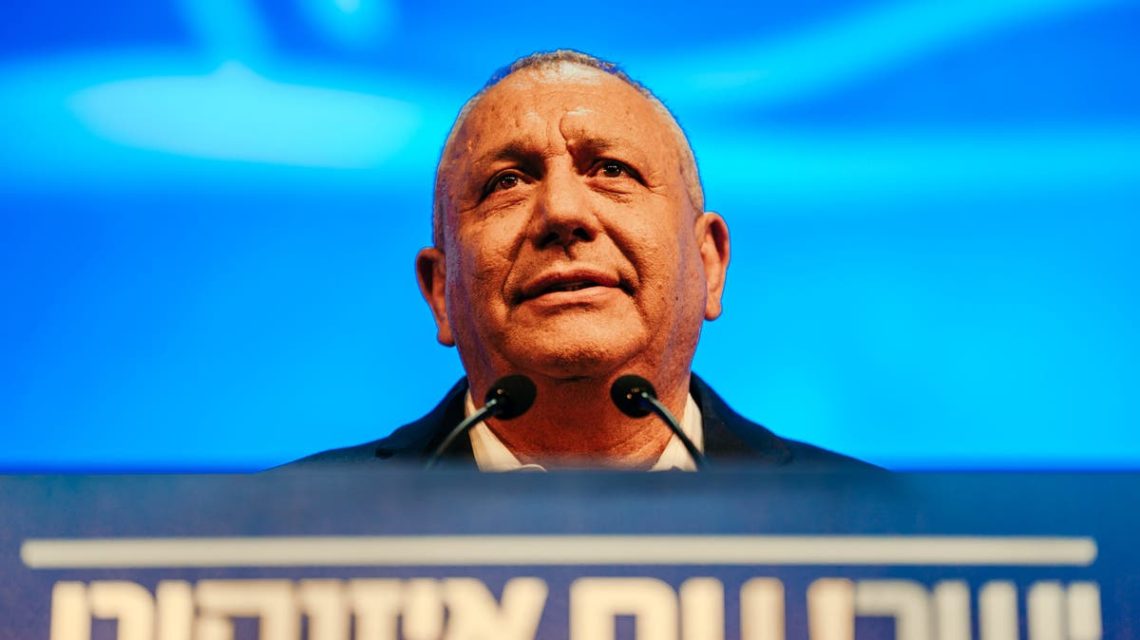
Gadi Eisenkot, recently tasked by Israel’s president to form a new government, stated that Iran does not pose an immediate military threat prior to the establishment of a new government. This assertion contradicted Prime Minister Benjamin Netanyahu, who countered with concerns over Iran, amid tensions following Israel’s recent elections.
Netanyahu remains as the caretaker prime minister, but Eisenkot’s allies have gained control over key parliamentary components. Eisenkot, a former IDF chief of staff, expressed his concerns about Iran’s nuclear capabilities, emphasizing the need for strict monitoring of Iran’s 440 kilograms of uranium enriched to 60%.
“Today I see no direct and immediate threat to Israel that requires action before a government is formed,” Eisenkot commented.
In contrast, Netanyahu accused his political rivals of deliberately minimizing the Iranian threat for political expedience. The International Atomic Energy Agency last verified Iran’s uranium stockpile in 2025; however, current verification is lacking.
At a EU-hosted conference, former Mossad director David Barnea pushed for military action against Iran when conditions permit. He criticized the pursuit of diplomatic agreements with Iran, yet acknowledged the potential for sanctions as an alternative approach.
In the US, President Trump suggested a potential resumption of strikes against Iran if diplomatic talks do not yield results. Trump, noting the impact of economic sanctions on Iran, has maintained that military options remain on the table.
The unfolding situation highlights a power struggle within Israel’s parliament. Eisenkot’s coalition, including various parties, has impacted Israel’s political balance. Despite Netanyahu’s continued leadership, Eisenkot supporters are driving legislative changes and oversight efforts.
Eisenkot insists on government accountability and has outlined core values for potential coalition agreements, including inquiries into security lapses and expanding mandatory military service.
As tensions between Israel and Iran simmer, and with Netanyahu’s position less secure, the direction of Israel’s government remains crucial for future decisions on military actions against Iran.
 Trump’s Controversial Reaction to Nvidia’s Leadership Decision
 Treasury Department’s Findings on Iranian Shadow Banking Networks
 Escalating Tensions in West Bank with New Attacks
 European Governments Encourage Preparedness for Emergencies
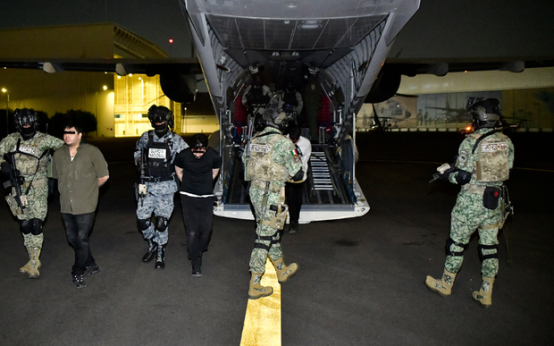 Capture of Fausto Isidro Meza Flores Sparks Violence in Sinaloa
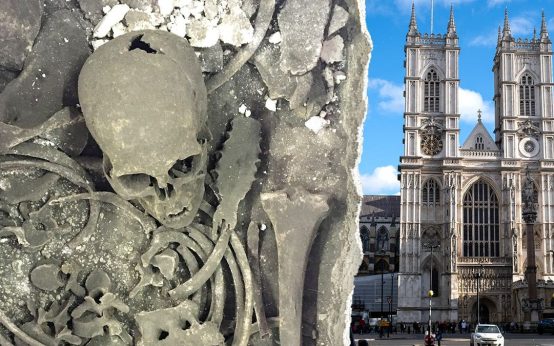 Archaeologist Uncovers Roman Fort and Solves Medieval Skeleton Mystery