
The shift in daylight saving time results in more drivers being on the road during the early evening. This is the period when deer are more active, increasing the risk of collisions.
Since deer movements peak during this time, the likelihood of accidents rises due to reduced visibility and higher traffic volumes.
The adjustment in the clock by one hour leads to darker evenings. As a result, both human drivers and deer are more likely to be on the roads simultaneously.
With limited daylight, driver reaction times are compromised while deer are harder to spot. This convergence during high activity hours of deer results in elevated chances of accidents.
Drivers should be especially cautious during these periods. Slowing down and remaining alert while driving through areas known for wildlife crossings could reduce the risk of accidents.
Enhanced awareness and precaution can mitigate the dangers posed by the combination of increased deer activity and changes in driving conditions due to daylight saving time adjustments.
 Key Senate Race Developments and Impacts of El Niño on Weather
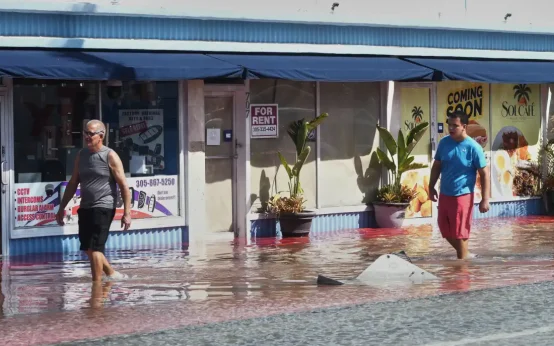 El Niño’s Impact on Winter Weather Patterns
 Trump’s New Hearing on East Potomac Park Redevelopment Plan
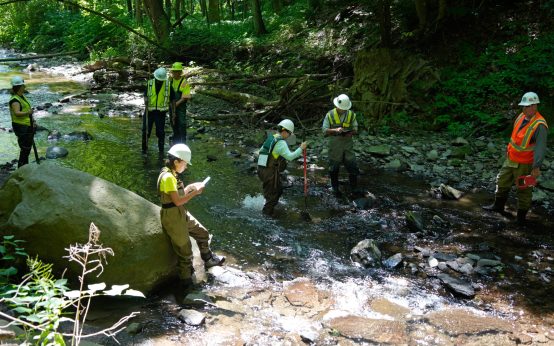 Investigation into EPA’s Response to East Palestine Train Derailment
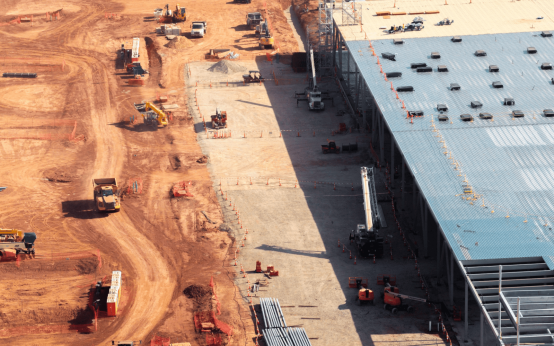 Texas Data-Center Boom Risks Air Pollution Progress
 Trump Administration Proposes Relaxation of Methane Emission Regulations for Oil and Gas