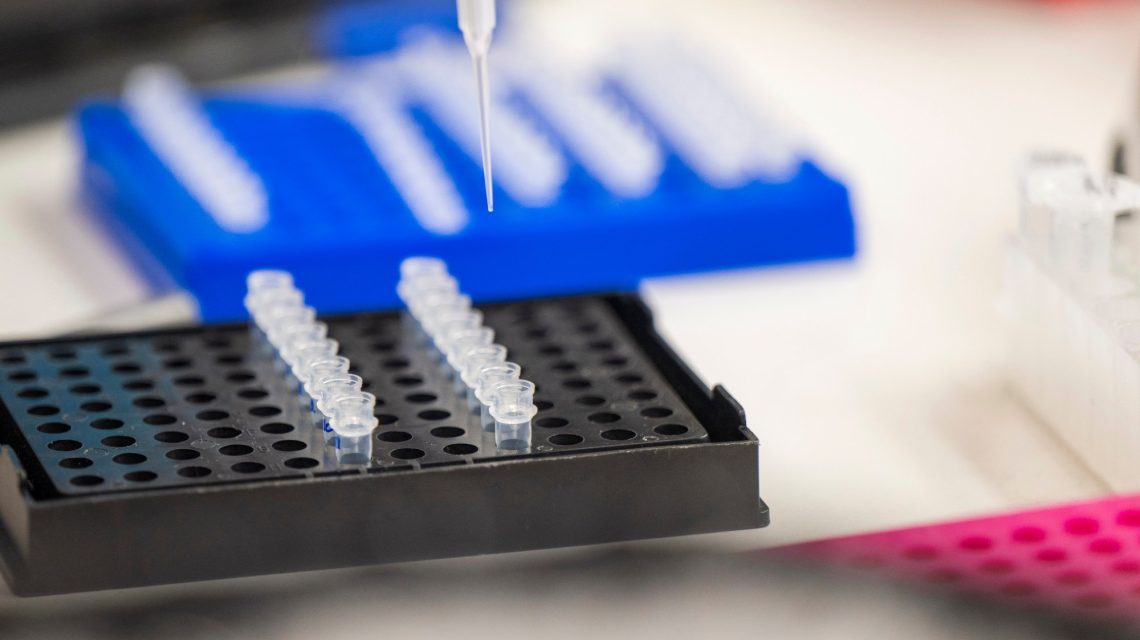
WASHINGTON (AP) — The U.S. is halting shipments from BGI Group, a Chinese biotech firm, due to suspected ties to forced labor in Xinjiang. Starting Thursday, U.S. Customs and Border Protection will prevent goods from BGI Group and its affiliates, BGI Genomics and MGI Tech, from entering the country.
The Department of Homeland Security claims these companies source materials from Xinjiang or cooperate with the local government to exploit forced labor involving ethnic minorities, including Uyghurs. This action adds BGI to a trade blacklist, reflecting growing economic and tech tensions between the U.S. and China.
The U.S. Treasury Department recently suggested new limits on investments in biotechnology and other advanced technologies to curtail financial flow to countries like China. In response, China’s Ministry of Commerce denounced the U.S. ban as “political manipulation” and accused the U.S. of “bullying under the guise of ‘protecting human rights.'” China’s statement expressed concern over the impact on economic stability and vowed to defend its interests.
The measures anticipate a meeting between Chinese leader Xi Jinping and former U.S. President Donald Trump in Shenzhen. Xi is also expected at the Group of 20 summit in Florida, representing opportunities for dialogue amidst trade negotiations.
BGI Group disputes the allegations, asserting no involvement in forced labor and emphasizing its private ownership. The company also states it doesn’t serve U.S. patients or have access to American genetic data. Despite this, U.S. policymakers have expressed concerns over potential risks to national security due to BGI’s alleged connections with the Chinese government.
The Pentagon has identified BGI as a Chinese military entity, a label that affects the company’s reputation. DHS cites “credible information” linking BGI Group and its affiliates to genetic testing in Xinjiang, which plays a part in the surveillance and oppression of ethnic minorities.
These restrictions align with the Uyghur Forced Labor Prevention Act, enacted by President Joe Biden in 2021, addressing human rights issues in Xinjiang. The Chinese government denies the allegations, framing its actions in the region as counter-terrorism measures.
Recently, the U.S. expanded the blacklist under this law, affecting a total of 187 entities, including 43 new additions. Homeland Security Secretary Markwayne Mullin emphasizes the need to protect American workers from unfair competition through “slave labor.”
 Reviving Roosevelt’s Legacy: A New Deal for Democrats
 Key Poll Findings of 2026 Pre-Election Week
 House Democrats’ Response to Federal Investigation of Ilhan Omar
 Restructuring the Pentagon: Key Military Departures Under Defense Secretary Pete Hegseth
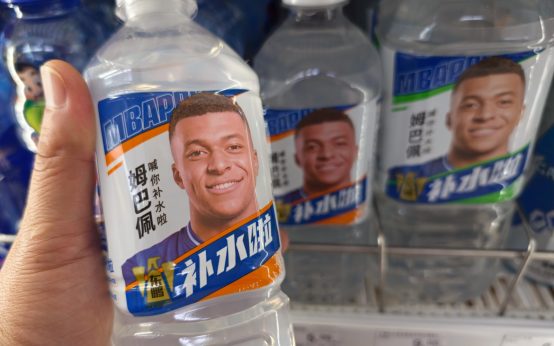 China’s Tense Relationship with Foreign Celebrities and Free Speech
 Political Campaigns and Personal Attacks