
Thirty years ago, a significant shift occurred in welfare policy in the United States. In July 1996, President Bill Clinton announced his intention to sign the Personal Responsibility and Work Opportunity Reconciliation Act. This legislation represented a major change in the way the federal government provided income support to women and children experiencing poverty.
The act effectively ended the program known as Aid to Families with Dependent Children (AFDC). Established by President Franklin D. Roosevelt in 1935, AFDC had been a cornerstone of federal assistance for decades. The new system introduced under the 1996 legislation replaced AFDC with a structure involving block grants, time limits, and work requirements. This marked a departure from the previous model that offered more continuous support to those in need.
The reform reflected broader changes in the political and social attitudes towards welfare and the role of government assistance. By restructuring aid through block grants, states received more discretion in administering welfare programs, aligning with a growing emphasis on state-level control.
This policy shift has since influenced debates around social safety nets in the United States. It has prompted Republican attention towards other components of these systems, highlighting ongoing political dynamics surrounding welfare and poverty assistance in America.
 The Cost of Challenging Beijing
  Analyzing Midterm Elections and Party Dynamics
  Allan Lichtman’s Framework for Assessing Presidential Greatness
 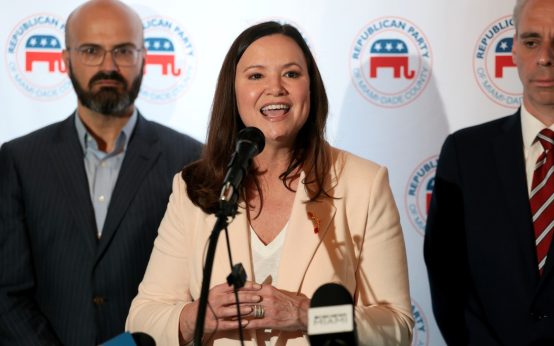 Florida Senate Race Tightens as Recent Polls Show Dead Heat
  Ethics Complaint Targets Colorado Representative Lauren Boebert
  Ken Paxton’s Campaign Funding and Polls