
The metallic screech followed by a barely audible bang. The sound of a cat eager to enter before nightfall, tapping the door. The inconsistent thumping of moths drawn to the kitchen light. In the morning, a soft knock comes, whether from a neighbor, friend, or relative, who feels no need for doorbells.
The screen door is a staple in American homes, especially in suburban and rural areas. Made of lightweight aluminum or wood with wire mesh, it barely qualifies as a door. Yet, it plays a crucial role. It lets in the breeze while keeping mosquitoes, flies, and other insects out. Its function extends beyond these tasks.
A screen door offers a glimpse inside, signaling that someone is home. Architecturally, it invites interaction. The late Zak looks at his new surroundings after moving to Phoenix in November 2018. The screen door creates a connection between the indoors and outdoors. It allows you to see, hear, and smell what is beyond the threshold.
The sieve-like structure provides access to the backyard. It lets a grandmother leave the main door open, listening to birds or watching grandchildren play. An origin story claims a woman in Iowa invented the screen door in the late 1800s. Whether true or not, it is a modern myth worth noting.
Functioning as if it symbolizes good behavior, a screen door resists being slammed. Its mechanism cushions the impact, closing gently despite human effort. At its best, the creak of a screen door signifies a loved one’s arrival. It trusts the outside world, calming anger and quieting doubts. Once closed, the silence assures you that you are home.
This article is part of the series, “American Objects,” commemorating the 250th anniversary of the United States.
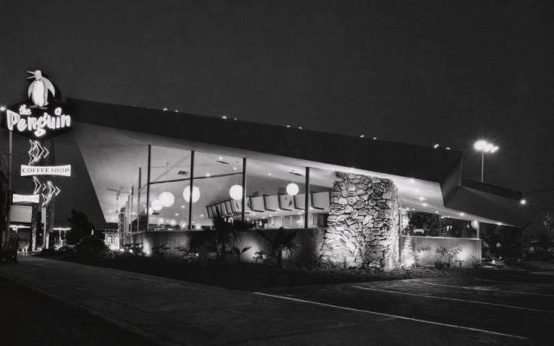 The Future of Mel’s Drive-In at Route 66’s Terminus
  Renowned Renoir Paintings Stolen and Recovered: Details of the Investigation
  National Museum of the American Latino to Receive Permanent Home
  Screencaps: A Unique Blend of Sports, Pop Culture, and Reader Insights
  Bill Maher Criticizes Zohran Mamdani’s Response to Terror Attack Anniversary
  Controversy Surrounds ESPN College Gameday’s Sign Policies