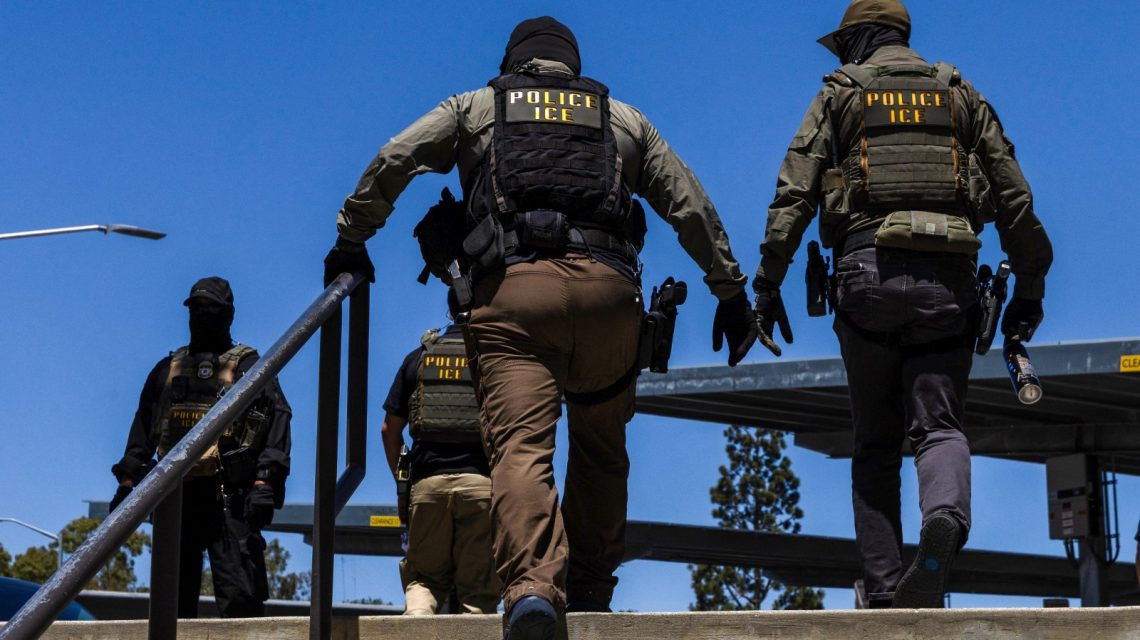
The Trump administration deported Etinosa Osahon, a Nigerian man, despite a legal order preventing his return to Nigeria. An immigration judge had previously found that Osahon faced the risk of torture if returned, compelling a federal judge to demand an explanation.
Judicial Response
Judge Michelle Williams Court from the U.S. District Court for the Central District of California issued a temporary restraining order. She mandated that the government reveal Osahon’s location and custodial status and outline steps for his potential return to the United States.
Osahon arrived in the U.S. as a lawful permanent resident in May 2002. Court records show he later faced federal charges for mail theft, bank fraud, and identity theft. Despite these convictions, he was granted protection under the Convention Against Torture in 2012 due to previous torture experiences in Nigeria.
Current Situation
Osahon is currently hiding in Togo, separated from his wife and children in California. He has contracted malaria and lacks legal immigration status, limiting his access to medical care and employment.
Judge Williams Court criticized federal officials, accusing them of violating regulations and due process protections by deporting Osahon. Newsweek reached out to the Department of Homeland Security, Osahon’s attorneys, and Nigerian authorities for comments.
Tortured In Nigeria
The 2012 immigration decision detailed Osahon’s torture by Nigerian officials. He was detained without trial, tied to a tree, and subjected to severe physical abuse.
Osahon complied with supervision requirements for 14 years while living in the U.S. and starting a family. However, the lawsuit alleges his deportation followed an unexpected ICE appointment, after which he was transported to Ghana and informed he would be sent to Nigeria.
Though Osahon protested, citing Convention Against Torture protections, he eventually found refuge in Togo. The court records emphasize his legal and health challenges there.
Legal Considerations
Government lawyers requested case dismissal because Osahon’s removal preceded his habeas petition. Although Judge Williams Court agreed, she converted it into a civil lawsuit for constitutional claims to proceed.
Williams Court concluded Osahon had a strong case, citing ICE’s procedural failures. She referenced Abrego Garcia v. Noem, a wrongful deportation case involving a Salvadorian man.
The judge noted Osahon lacked notice explaining his supervision revocation, restricting his ability to contest the removal.
Future Actions
The ruling prohibits Osahon’s transfer to Nigeria and mandates preservation of records linked to his detention and removal. The government must submit a declaration by September 3 outlining his location and actions towards his return to the U.S. A hearing is scheduled for September 4.
 Search Intensifies for Missing Washington, D.C. Mother
  Supreme Court Blocks New Postal Service Mail Voting Rules
  Santa Barbara Man Admits to Courthouse Bombing in Retaliation for Seized Firearms
  Federal Investigation Into Ilhan Omar’s Immigration Allegations
  Calumet City Clerk Sues for Damages Following Dismissed Lawsuit
  Competing Legal Narratives Surround Illinois Mother Accused of Child Murder