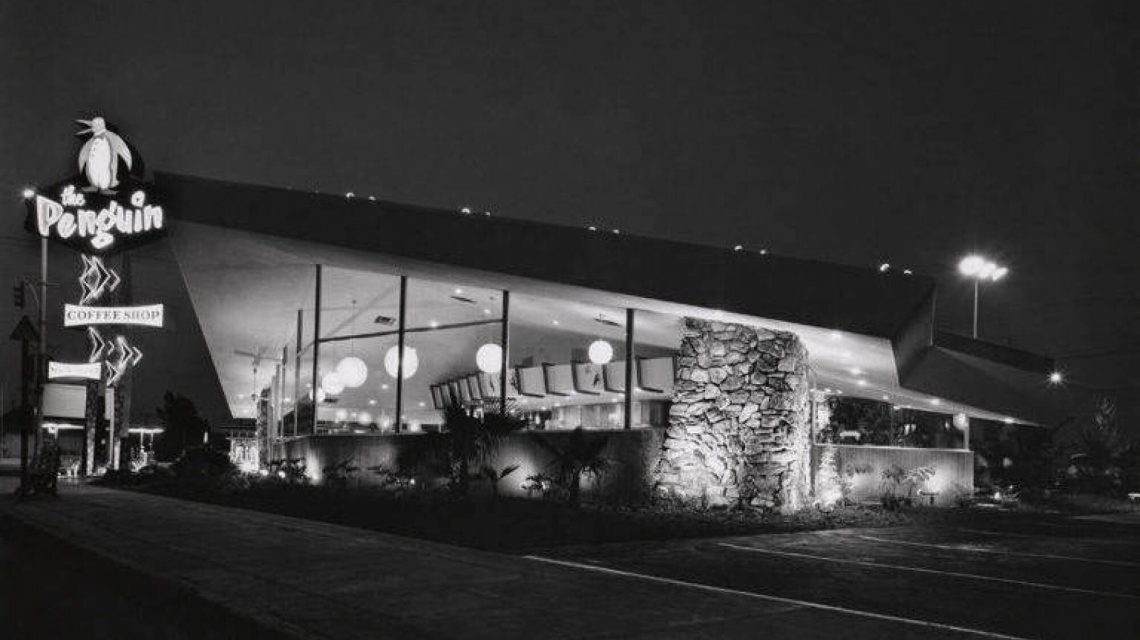
For decades, the building at Lincoln and Olympic Boulevards in Santa Monica marked the end of Route 66’s 2,400-mile journey west. Initially home to Penguin Coffee Shop, Mel’s Drive-In now occupies the space. However, the property’s future is uncertain as plans to replace the structure with an eight-story apartment building have surfaced.
Preservation Efforts and Legal Proceedings
The building, known for its Googie architecture, faces a showdown with preservationists advocating for its historic designation. The Santa Monica Landmarks Commission will hold a hearing on December 14 to consider the site’s protected status as requested by Santa Monica Conservancy and Los Angeles Conservancy.
Nina Fresco, vice president of Santa Monica Conservancy, emphasizes the significance of preserving Googie architecture. She suggests that housing and historic preservation can co-exist. Owned by ValueRock Realty, the property’s sale was made known in 2020 for $6.2 million. The firm later sought to replace the structure with apartments.
The Historical Value
Designed by Armet & Davis, the building hosted Penguin Coffee Shop from 1959 to 1991. Googie architecture, a form of Mid-Century Modernism, is characterized by large neon signs and distinctive roofs. The style, once common, is now rare, and seen in places like Rae’s Diner.
Though it lacked Michelin stars, Penguin Coffee Shop was favored for its American fare, praised in a 1989 review by Charles Perry. The restaurant closed two years later, becoming a dentist’s office. Mel’s Drive-In restored the original 1950s atmosphere upon its 2016 arrival and 2018 reopening.
Development Plans and Legal Context
In September, ValueRock filed an SB330 application to build apartments on the site. Under city law, properties older than 40 years must wait at least 75 days post-demolition permit application. The Landmarks Commission’s decision could protect the building from demolition. However, the firm can appeal to the City Council.
Preservation Outcome
If landmark status is granted, the owners can pursue their plans differently. Other Santa Monica developers have successfully integrated housing with existing structures, like the WWII-era Quonset hut on Broadway and the Rapp Saloon. The Santa Monica Conservancy conducts walking tours starting at the latter.
The Historical Route
Route 66, born in 1926 and extended to Santa Monica in 1935, ended officially at Lincoln and Olympic. Although decommissioned in the 1980s, its Americana symbolism remains popular, especially during centennial celebrations. By 1959, interstate highways, including Santa Monica’s Route I-10, had begun overshadowing Route 66.
Architecture critic Alan Hess places L.A.’s commercially shaped buildings, including Route 66 stops, in a cultural context. The importance of these historical structures to L.A. and their preservation is evident.
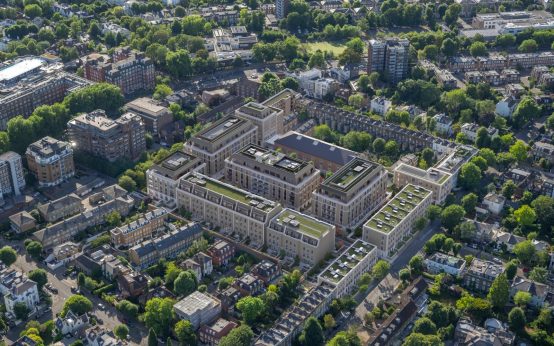 Historic UK Landmark Transforms into Luxury Development
 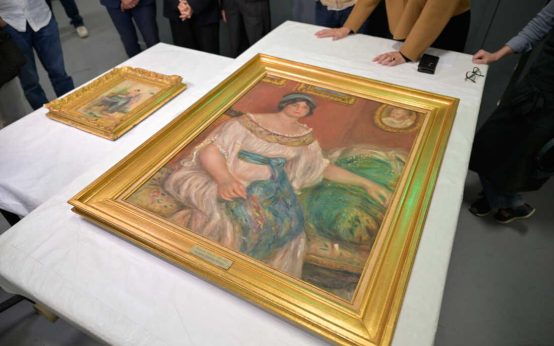 Renowned Renoir Paintings Stolen and Recovered: Details of the Investigation
  National Museum of the American Latino to Receive Permanent Home
  Screencaps: A Unique Blend of Sports, Pop Culture, and Reader Insights
  Bill Maher Criticizes Zohran Mamdani’s Response to Terror Attack Anniversary
 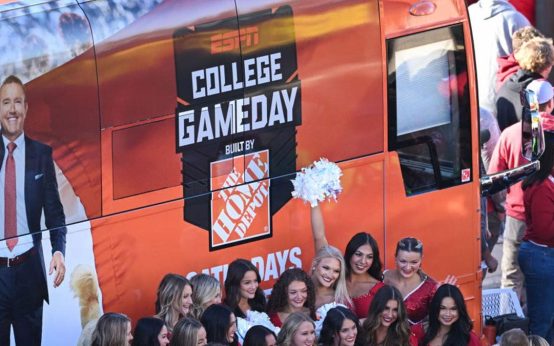 Controversy Surrounds ESPN College Gameday’s Sign Policies