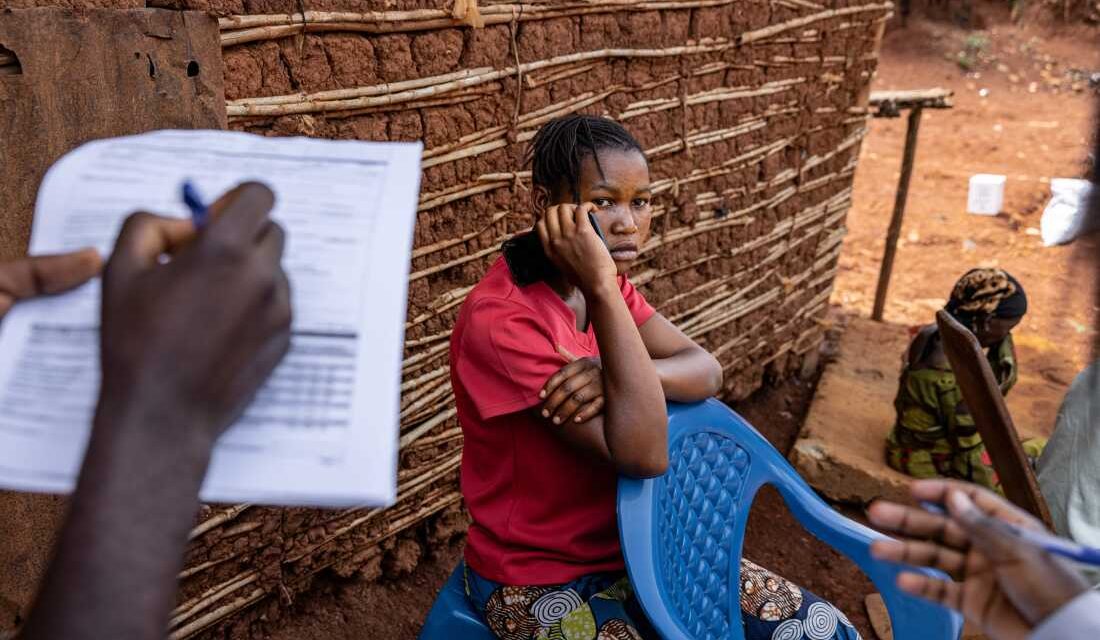
Health investigators in the Democratic Republic of Congo are actively interviewing individuals as part of their contact tracing efforts. They aim to identify and monitor those who came into contact with people infected with the Ebola virus. This strategy plays a vital role in containing the outbreak, especially since there’s no approved vaccine for prevention.
According to Armand Sprecher, an infectious diseases physician at Doctors Without Borders, the key is to get slightly ahead of the virus. Contact tracing allows health officials to quickly identify potential transmission routes. Sprecher explains the process: ‘We identify a sick person and ask who was in contact with them, who cared for them, who handled their laundry, or who attended a burial where someone infected had died.’ The virus spreads through bodily fluids, so pinpointing contacts is crucial. Informing these contacts and monitoring them can prevent further spread and ensure faster access to care if symptoms develop.
Sprecher acknowledges that contact tracing is labor-intensive but effective when done well. Despite this, officials struggle to manage the current outbreak. Over 1,000 deaths and more than 2,400 infections have occurred within two months, with daily cases still rising. Alarmingly, over 80% of new cases emerge from unknown contacts. Nahid Bhadelia, an infectious disease physician at Boston University, highlights this issue: ‘The high percentage suggests a gap in contact tracing that might lead to further undetected cases.’
The outbreak’s location, characterized by transient workers and ongoing conflict, complicates tracking efforts. Although the WHO announced the training of 21,000 community workers, entire transmission chains might elude health officials until severely ill or deceased individuals come into focus. Bhadelia adds, ‘Many cases are likely missed, leading to later presentations and potentially lower survival rates.’
A significant number of deaths—around two-thirds—occur outside of the health system. Boghuma Titanji from Emory University suggests that many symptomatic individuals avoid clinics. ‘They might seek traditional healers or stay with family due to distrust and stigma associated with Ebola,’ she says.
This avoidance poses a challenge in responding effectively. Titanji compares the situation to seeing only the iceberg’s tip without a clear view of its full extent. To improve visibility, building trust with affected communities is essential. According to Bhadelia, this involves hard work but could be aided by recent developments. Clinical trials for treatments and drugs that protect exposed individuals offer hope.
‘Providing better care can build trust,’ Bhadelia notes. While access to these therapies is limited to clinical trials, she believes that showcasing the potential for better care and prevention could draw more people to clinics or contact tracers. Ultimately, this approach is critical for reducing the outbreak’s impact and gaining control over it.
 Measles Exposure in Philadelphia Raises Health Concerns
  Lawsuits Claim Vision Loss Risk from GLP-1 Medications
  States Tighten Regulations on Tianeptine, Known as ‘Gas Station Heroin’
  Medicare Lab Test Payments: Upcoming Changes and Their Implications
  Gen Z Faces Economic Barriers to Dating and Intimacy
  Understanding and Preventing Suicide: A Public Health Priority