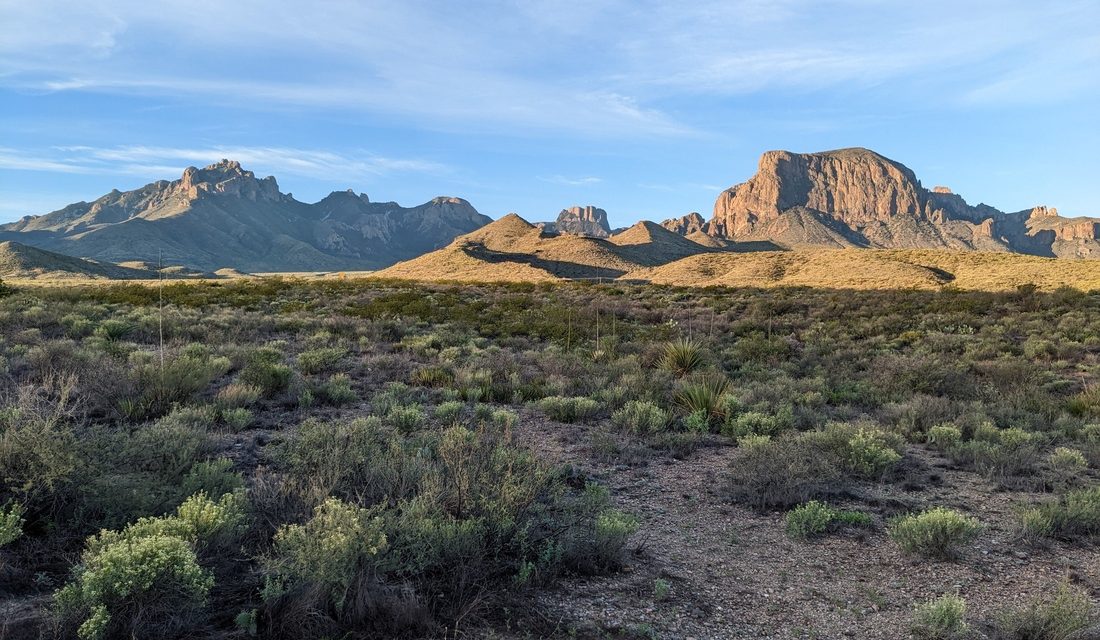
Big Bend National Park boasts diverse habitats, including desert, mountains, and river landscapes. At its center, the Chisos Mountains rise prominently. These mountains harbor cooler forest ecosystems, where pinyon pines, junipers, and the endangered Guadalupe fescue thrive at higher elevations.
These mountains reach approximately 6,000 feet above the surrounding Chihuahuan Desert. The elevated areas create ‘sky islands,’ which are cool, moist oases. These habitats remain isolated, making them unique yet highly vulnerable.
Big Bend National Park, nestled along the Texas-Mexico border, provides the sole U.S. habitat for the Guadalupe fescue. The plant’s remoteness has helped preserve it. However, climate change pushes species reliant on these ‘sky islands’ to higher altitudes. Eventually, they face the constraint of limited vertical space.
Carolyn Whiting, a Botanist at Big Bend, monitors the Guadalupe fescue extensively. She discusses the distinctiveness of Big Bend and the importance of conserving even minor elements like this grass.
The Guadalupe fescue received its endangered status in 2017. Efforts to protect it underscore significant environmental challenges.
Listeners are invited to explore more episodes on U.S. public lands research. Connect with the series on Twitter at @NPRShortWave, or reach out via email at [email protected].
This episode’s production credits include Rebecca Ramirez and editorial oversight by Gabriel Spitzer. Fact-checking was handled by Rebecca, Brit Hanson, and Gisele Grayson. Natasha Branch served as the audio engineer.
 EPA Dismantles Greenhouse Gas Rules, Causing Concern
 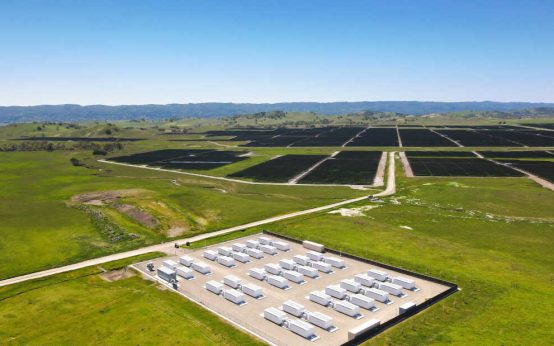 How Battery Innovations Transform Renewable Energy
  Data Centers Stir Controversy in Texas Amid Growth Boom
 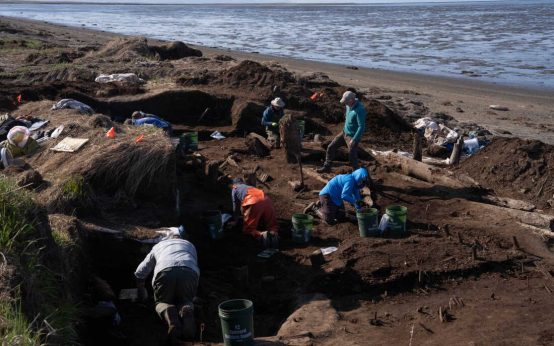 Urgent Archaeological Efforts in Quinhagak Stay Ahead of Erosion
  Concerns Rise Over NIPSCO Permit In Jasper County
  Reader Reactions on Grizzlies and Data Centers