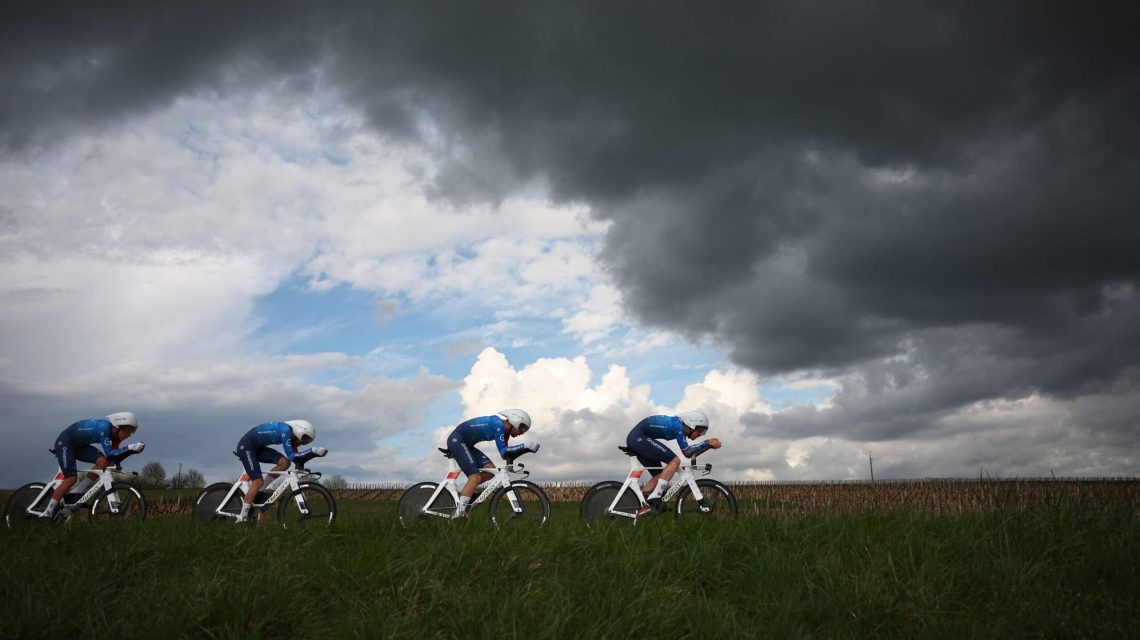
The team time trial in cycling is renowned for its impressive display. Helicopter cameras capture synchronized riders in aerodynamic positions, each taking brief turns at the front to maintain maximum speed. Jacob Tipper, performance coach at EF Pro Cycling, describes it as a genuine team event in the sport, yet it’s fraught with unseen efforts and challenges. The upcoming Tour de France team time trial in Barcelona underscores the fusion of physics and physiology.
Riders must alternate between strenuous turns and wheel recovery, stretching their endurance. Tipper compares the experience to confronting a bear: endurance ends when the bear tires, not when fatigue sets in. The return of the team time trial to the Tour after seven years, with a fresh rule stopping the clock at the first rider’s finish, emphasizes individual prowess while teams aim for collective success.
The Art of a Successful TTT
Winning a team time trial requires strategic planning akin to crafting a masterpiece. Since October, EF Education-EasyPost has focused on maximizing gains. While powerful riders are crucial, their efficiency relies on optimal aerodynamics and team cohesion. EF Education-EasyPost has economic limitations and can’t match the resources of larger teams for aerodynamic testing.
Leading teams often rent motor racing circuits to simulate races and test new equipment. Netcompany INEOS and Jumbo-Visma are examples of teams using structured environments for precision training.
Strategy and Execution
Success is achieved through meticulous planning of turn lengths, team roles, and optimal pacing. Teams employ software models but Tipper argues their complexity can sometimes hinder performance. Effective models focus on anaerobic capacity, determining how long riders can perform upfront versus recovering in the pack. Unpredictable elements like speed changes and drafting inefficiencies impact battery regeneration.
The perception and experience of skilled riders are invaluable. Teams rely on riders’ innate ability to pace without constant feedback from power meters. Real-time communication involves race radios and hand signals, crucial at high speeds.
The Challenge of Course Dynamics
The Barcelona course is less dynamic compared to previous WorldTour races, but strategic decisions still affect outcomes significantly. Teams will likely remain together for most of the course, with differences arising primarily during the final hill climbs.
Teams must ensure riders aren’t attempting excessive turns or positioned suboptimally relative to aerodynamic leaders. Subtle accelerations make significant differences in results, impacting every rider’s performance.
The Allure of Victory
A successful team time trial brings joy as each cyclist’s contribution is apparent. While EF Education-EasyPost has prior accomplishments, expectations for victory hinge on maintaining momentum from the outset. The psychological boost of starting well influences the team’s overall performance in the Tour.
 Las Vegas Raiders Enter a New Era with Leadership and Character Reforms
  New Orleans Saints Extend Chris Olave’s Contract
  Brawl Erupts in Mexican Baseball League Between Toros de Tijuana and Acereros de Monclova
  Concerns About Gender Inclusion in Women’s Sports
 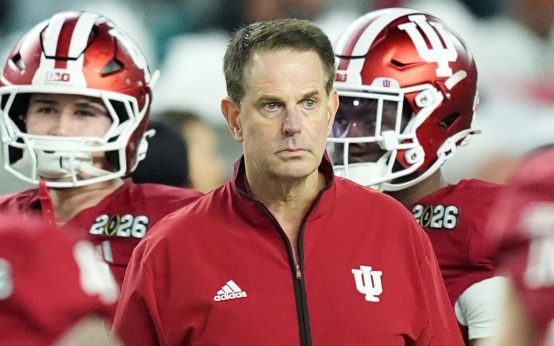 The Anticipation of College Football Season Amid Off-Field Drama
 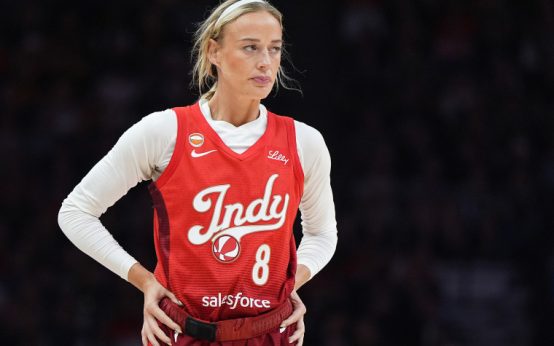 Discussion on Transgender Participation in Sports Sparks Debate at Fever vs. Lynx Game