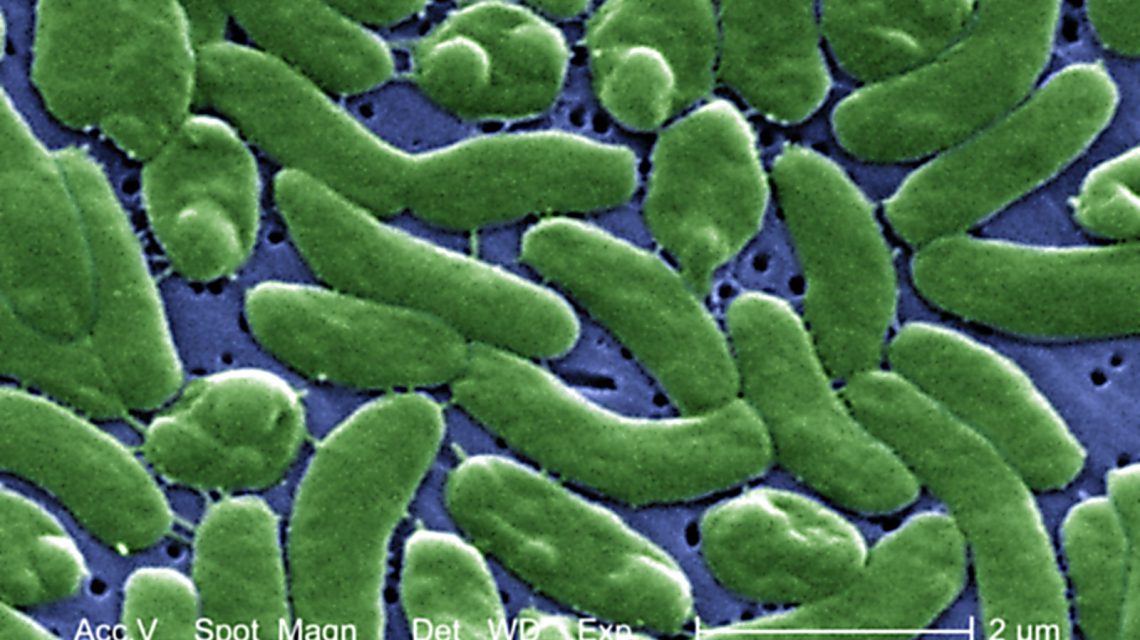
A strong El Niño could create conditions that increase the risk of Vibrio vulnificus, a harmful bacterium that causes severe infections. However, experts warn against directly linking El Niño with the number of cases alone. Recent incidents in Louisiana and Florida have highlighted the risks, with six deaths reported this year due to the ‘flesh-eating’ bacterium. Spread across multiple states, health alerts continue to emerge.
Understanding El Niño
El Niño is a climate phenomenon characterized by unusually warm sea surface temperatures in the central and eastern equatorial Pacific. It influences global weather patterns, altering rainfall, winds, storms, and temperatures. Each El Niño event varies in impact. The term ‘super El Niño’ describes exceptionally strong instances. According to NOAA’s Climate Prediction Center, an advisory remains in effect with an 81% chance of a ‘very strong’ El Niño from October to December 2026, making it one of the largest on record since 1950. A 97% chance exists for its continuation into early spring 2027.
Implications for Vibrio Vulnificus
Craig Baker-Austin, from the UK’s Centre for Environment, Fisheries and Aquaculture Science, suggests that El Niño might raise the risk of Vibrio vulnificus by altering coastal conditions conducive to bacterial growth. The bacterium thrives in warm, brackish waters, especially when sea temperatures are high and salinity is within an optimal range. Research from the Gulf of Mexico and Chesapeake Bay shows a correlation between warm waters and greater bacterial presence and infections.
During El Niño, elevated sea temperatures and changes in rainfall and storms might alter coastal salinity. These changes can enhance the living conditions for Vibrio vulnificus, extending the risk period and increasing bacterial concentration. Human behavior also plays a role, as warmer seas invite more people, increasing potential exposure.
Global sea surface temperatures are among the hottest they have ever been.– Craig Baker-Austin
Regional Vulnerabilities
The Gulf Coast, particularly Florida, Louisiana, Texas, Mississippi, and Alabama, is highly susceptible due to its warm temperatures and brackish estuary conditions that support bacterial growth. These states account for most cases reported in the U.S. Yet, the warming Atlantic seaboard is emerging as vital, with rising reports of infections in the Mid-Atlantic and Northeastern areas like North Carolina, New York, and Connecticut. Climate change may continue to broaden suitable habitats this century.
David Fisman from the University of Toronto highlights that warmer waters directly boost bacterial abundance. People may face higher bacterial loads while swimming, and foodborne contamination in seafood likely increases.
Greater risks might arise in regions where vibriosis is rare due to colder waters, such as the Pacific Northwest, British Columbia, and Alaska. While Louisiana and Florida are typical hotspots, warming could result in less noticeable changes.
El Niño’s Effect on Regional Waters
Jaime Martinez-Urtaza from the Autonomous University of Barcelona advises against directly associating El Niño with V. vulnificus cases. El Niño’s primary impact is on the Pacific coast, with weaker effects on the Gulf/Atlantic coasts. There is no direct ocean pathway connecting these areas with the tropical Pacific, making potential sea temperature changes indirect.
While El Niño could raise risks along the Pacific coast, the magnitude remains uncertain. Additionally, reduced hurricane activity might alter risk levels, affecting cases linked to storms like those from Ian and Helene in previous years.
Understanding Vibrio Vulnificus
Vibrio bacteria are naturally found in coastal waters, thriving from May to October. According to the CDC, people contract vibriosis by eating raw or undercooked shellfish or through open wounds exposed to salt or brackish water. The bacterium can cause severe, potentially fatal infections, with some cases requiring intensive care or amputation. One in five infected individuals die, sometimes within days. People at increased risk include those with liver disease, cancer, diabetes, HIV, and other health conditions.
 Trump Administration Distributes Refund Payments to ACA Enrollees
  Study Links Ultra-Processed Foods to Increased Health Risks
  Social Media Trends Influence Psychiatry Diagnostic Criteria
  The Impact of Modern Windows on Home Temperature Regulation
  Swiss Glaciers Continue Rapid Ice Loss Due to Global Warming
  Understanding the Facts About Inflammation in Social Media