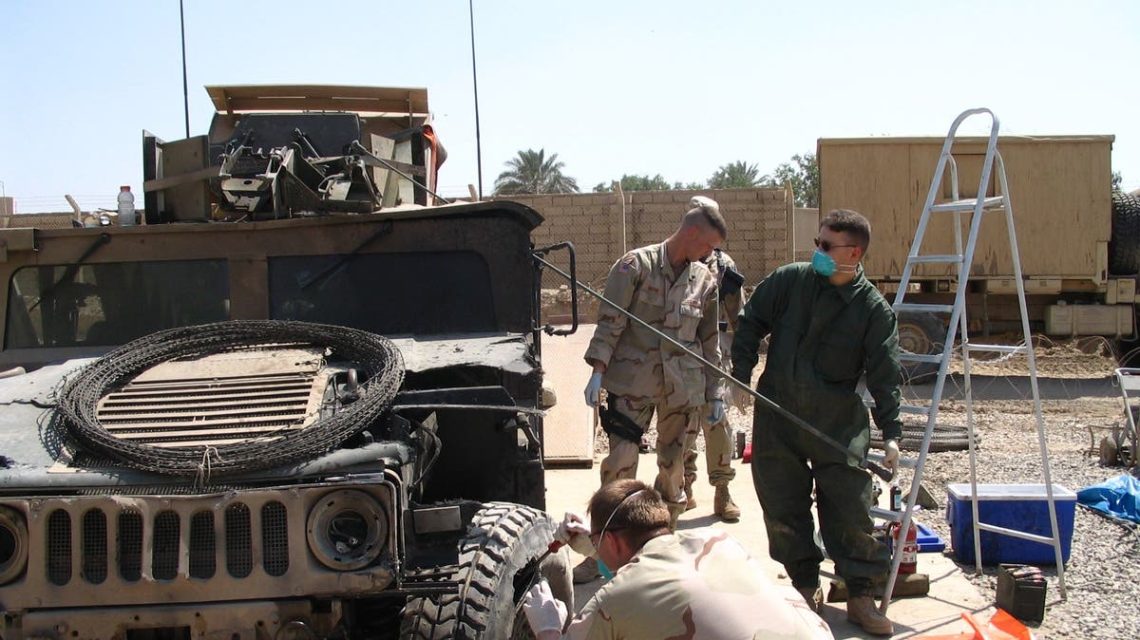
Nearly two decades ago, an explosively formed penetrator struck a U.S. Army vehicle in Baghdad, resulting in the death of Staff Sgt. William Brooks and severe injuries to Sgt. (Ret.) Robert Bartlett. The incident was part of a broader Iranian campaign, which armed and trained proxy forces targeting U.S. personnel in Iraq, according to federal court findings. Cases involving U.S. victims revealed that Iran manufactured or supplied the weapons and that attackers received training from the Islamic Revolutionary Guard Corps.
Bartlett, who drove the armored Humvee when the attack occurred on May 3, 2005, suffered significant facial injuries. He described the penetrator as an Iranian-supplied weapon, part of the Guard Corps’ initiative to arm militias against American forces.
“When you’re blown up, you don’t know what’s hit you,” Bartlett explained. Intelligence reports later clarified the situation for those affected.
Capt. Shawn English and Maj. Stuart Wolfer were other victims of similar attacks. English was killed by an explosive device in Baghdad in 2006, and Wolfer died when a rocket struck a U.S. base gym in 2008. Federal courts held Iran accountable for providing support to those responsible for these attacks.
Beverly Wolfer Nerenberg, Wolfer’s sister, shared the emotional struggle her family faced due to the loss. Her brother was considered her best friend and stood as her “man of honor” at her wedding.
The military investigation revealed that a rocket hit the gym Wolfer was in, causing severe injuries. Despite medical efforts, he succumbed to his injuries. Wolfer’s daughters were still young at the time of his passing, and his family has strived to preserve his memory for them.
Tricia English recounted knowing the threat posed by explosively formed penetrators before one claimed her husband’s life. He served on a transition team when the device struck his vehicle. During the evacuation, Capt. English remained conscious long enough to send a final message to his family.
The courts later revealed more about the network behind these attacks in legal proceedings. Iran’s Revolutionary Guard Corps played a significant role, providing training and resources to orchestrate the attacks.
Understanding the Larger Conflict
The cases highlight Iran’s strategic use of proxy warfare against U.S. forces in Iraq. Iran leveraged the fall of Saddam Hussein to expand its influence, assisting Iraqi militias in targeting American troops while avoiding direct confrontation.
Despite federal court judgments, Iran has not compensated the victims’ families. Tricia English emphasized the sophisticated nature of the attacks and the continued impact on her family.
Bartlett, who joined the lawsuits for his fallen comrades, seeks justice for those affected by Iranian actions. He stresses the importance of recognizing the truth of their sacrifices.
The Foreign Sovereign Immunities Act allowed these cases to progress, although Iran did not actively defend them. Evidence submitted demonstrated that Iran significantly supported attacks against Americans.
Families such as the Englishes and the Wolfers view recent conflicts as a continuation of a long-standing war, illustrating how the initial confrontation with Iran persists in their personal lives. Successive U.S. administrations have yet to hold Iran fully accountable for past conflicts.
 Gorillaz and Macklemore Respond to Controversy Over Israel-Palestine Statements
 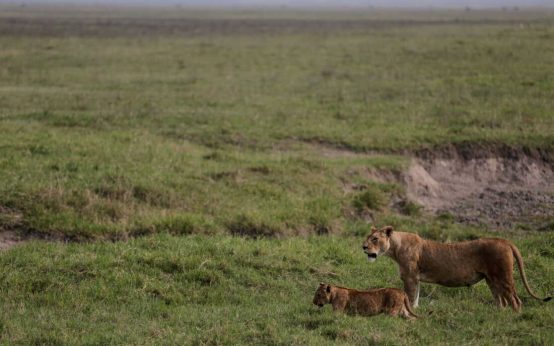 Investigation into Lion Deaths in Tanzania
 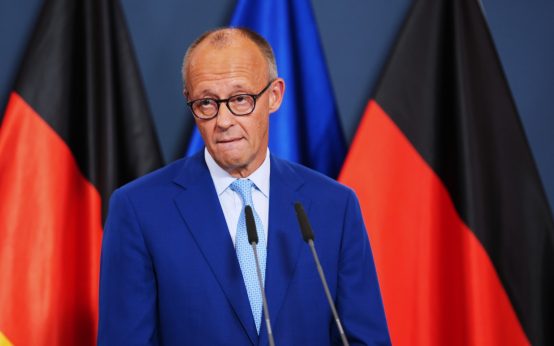 Merz Stays Resolute Amid Electoral Shifts in Germany
 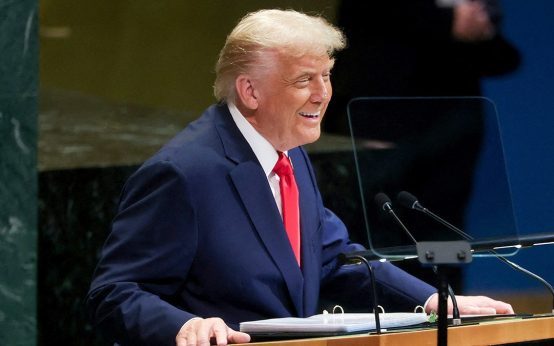 U.S.-Iran Relations and Diplomacy at Upcoming U.N. Assembly
  US-China Relations Under Scrutiny: Expert Warns of Escalating Tensions
  Extradition of Suspects in Haitian President’s Assassination