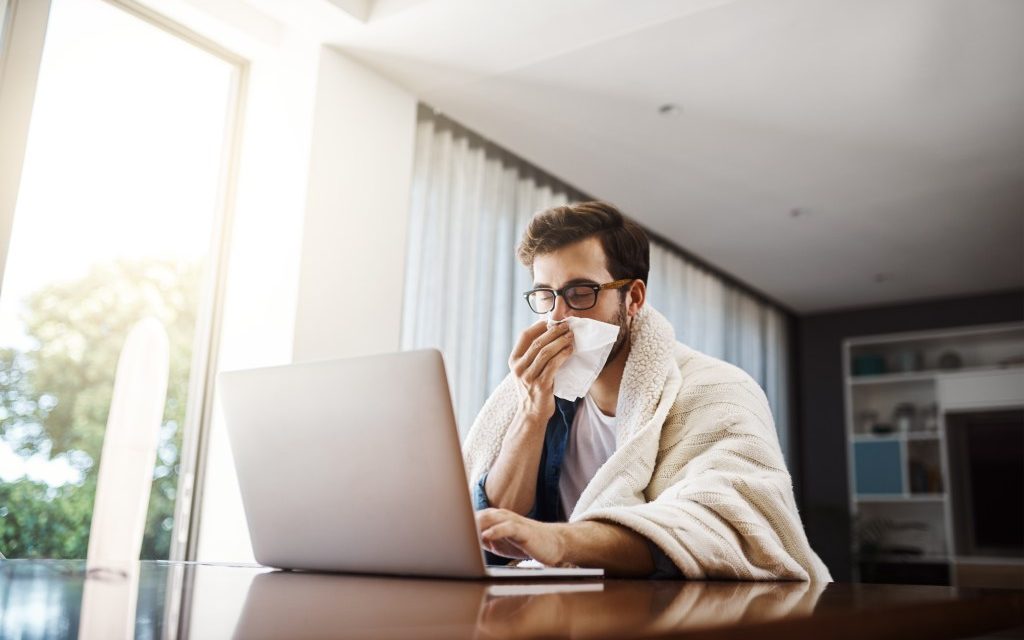
Cold and flu season has arrived, impacting many people across the country. According to the CDC, flu cases are rising in several states, COVID-19 rates are climbing nationwide, and cold viruses are widespread. If you start experiencing symptoms like a scratchy throat or runny nose, it’s essential to take action to reduce the severity and duration of the illness.
Dr. Jerrin Bawa, a board-certified internal medicine physician at NY Medical, emphasizes the importance of the initial days when feeling unwell. “What you do in the first one to two days when you’re feeling sick is important,” Bawa stated. Strengthening the immune system can significantly affect how long symptoms last.
Steps to Take When Feeling Sick
Consider working from home to avoid spreading the illness to others and follow these steps to recover faster:
1. Take a COVID or Flu Test
Testing can help identify if COVID-19 or the flu is causing your symptoms. A positive result allows for the option of taking antiviral medications. “If any of those tests are positive, calling your primary care doctor is crucial because, within the first 48 hours of symptoms, we can treat flu and cold with antiviral agents,” Bawa explained. Antivirals like Paxlovid for COVID-19 and Tamiflu or Xofluza for the flu can shorten symptom duration by 1 to 1.5 days when taken early.
2. Get Sufficient Sleep
Rest is vital for a robust immune response. According to Bawa, those sleeping less than six hours are more likely to catch a cold than those sleeping seven or more hours. Sleep supports immune strength, and a healthy immune system promotes restorative sleep stages to conserve energy.
3. Stay Hydrated
Maintaining hydration is essential, especially with fever, sweat, or excess mucus. Dehydration can cause headaches, fatigue, and body aches. Proper hydration thins mucus, aiding in productive coughing and blowing of the nose. Water or hot tea, particularly teas with slippery elm and marshmallow root, can soothe a sore throat. “Adding honey can help with a cough and sore throat,” Bawa advised, recommending warm teas as a comforting choice.
4. Moderate Your Workouts
Avoiding intense exercise is advisable when sick, as it may worsen symptoms. With a fever, body aches, chest symptoms, or gastrointestinal issues like diarrhea, rest days are preferable. Light activity may be acceptable with mild symptoms like a runny nose or sore throat.
5. Consider Zinc or Vitamin C
Vitamin C and zinc can support the immune system. Vitamin C offers antioxidant benefits and may shorten colds, though it won’t prevent or cure them. Zinc, taken in doses of 80 to 92 milligrams, may reduce cold duration by up to 33%. However, long-term zinc use may suppress the immune system and deplete essential nutrients like copper.
6. Adjust Your Diet
Pro-inflammatory foods can exacerbate illness-related inflammation. Bawa advises avoiding highly processed foods, saturated fats, and inflammatory takeout options. For gastrointestinal symptoms, warm, nutrient-rich broths with proteins are recommended.
When to Visit a Doctor
Consult a doctor based on symptom severity and risk factors. Immediate testing is critical if you are pregnant, immunocompromised, over 65, or have medical conditions like heart or lung disease or diabetes. Seek medical attention for a fever of 103 or higher, severe sore throat, or symptoms that worsen after seven to 10 days, as they may indicate a bacterial infection requiring antibiotics.
 Challenges and Public Sentiments in the Push for Medicare for All
 Challenges in Defeating Ebola in the Democratic Republic of the Congo
 NIH’s Foreign Animal Research Funding Criticized for Safety Failures
 Authorities Investigate Fatal Alcohol Poisoning in Manipur
 Understanding Over-the-Counter Sexual Enhancement Products
 Challenges Persist for Medicaid Enrollees After Hurricane Lowell in Kauaʻi