
More than 40 million people in the United States and Canada rely on the Great Lakes for drinking water. Unfortunately, each glass of this treated lake water contains microplastics, tiny plastic particles made of toxic chemicals linked to cancer and other diseases. This contamination also affects fish, a staple in Midwestern diets, fish fries, and fish boils, which are significant to Indigenous tribes and certain immigrant populations.
The alarming reality is that microplastics pollution is not regulated. Despite this, manufacturers are planning to significantly increase plastic production in the U.S. The Chicago Tribune is investigating the plastics dilemma, with a focus on the Great Lakes, the world’s largest fresh surface water source.
According to a Tribune review of thousands of government, scientific, and industry documents, when confronted about pollution, industry executives often blame consumers using tactics derived from Big Tobacco. This coverage, backed by the Pulitzer Center’s StoryReach U.S. initiative, aims to explore the spread of plastic waste in the Great Lakes, researching health hazards and possible solutions.
Unregulated Pollution and Plastic Production
Researcher Sherri Mason from Gannon University highlights the issue by showing plastic pellets, pieces slightly larger than a grain of rice, scattered on the ground in Erie, Pennsylvania. These are transferred from rail cars to trucks and delivered to local manufacturers.
Industries often downplay the dangers of plastics and exaggerate recycling capabilities. The Chicago Tribune found that some of the most influential companies are involved in this practice. Industry executives frequently deflect responsibility onto consumers.
Continued Microplastics Research
Scientists are intensely concerned about microplastics. These bits are no larger than a grain of rice, yet they could cause heart and brain diseases, other ailments, or release toxic chemicals into the body. Researchers are studying links between microplastics and Parkinson’s disease, impaired fertility, premature births, certain cancers, and developmental issues in children.
The University of Illinois conducted a study tracking the effects of chemicals related to plastics on over 400 children from birth to age 11.
Microplastics Across the Great Lakes
Microplastics have polluted every corner of the Great Lakes, from Canada’s Chemical Valley by Lake Huron to the pristine Apostle Islands in Lake Superior. The Tribune’s “Great Waste in the Great Lakes” series continues to explore the hidden risks to health and the environment of Americans and Canadians who depend on this vital water source.
University of Michigan’s researchers, with community involvement, are devising new solutions, such as using flax in engineering experiments, to address plastic pollution.
Illinois Takes Action
Illinois became the first state in the Great Lakes region to require companies to report spills of industrial plastic pellets known as nurdles. These nurdles contribute to contamination in the Great Lakes and the Mississippi River watersheds. Companies must now develop plans to limit these plastics in storm runoff, recognizing them as official pollutants.
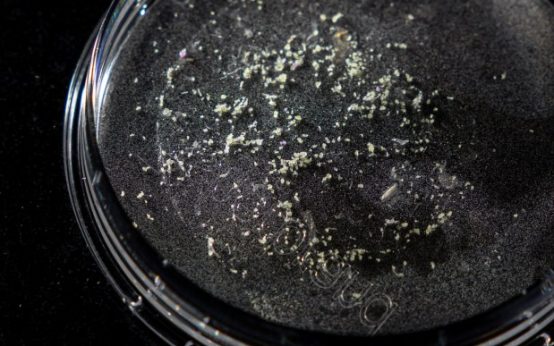 Tackling Plastic Pollution: A Shift Toward Flax-Based Alternatives
  Impact of El Niño on Global Food Prices and Agricultural Commodities
  Pacific Hurricanes Pose Flood Risk to Southern California
  Potential Agreement on Permitting Reform
  Hurricane Season: Divergent Trends in the Atlantic and Pacific Oceans
  Understanding the Impact of a ‘Super’ El Niño