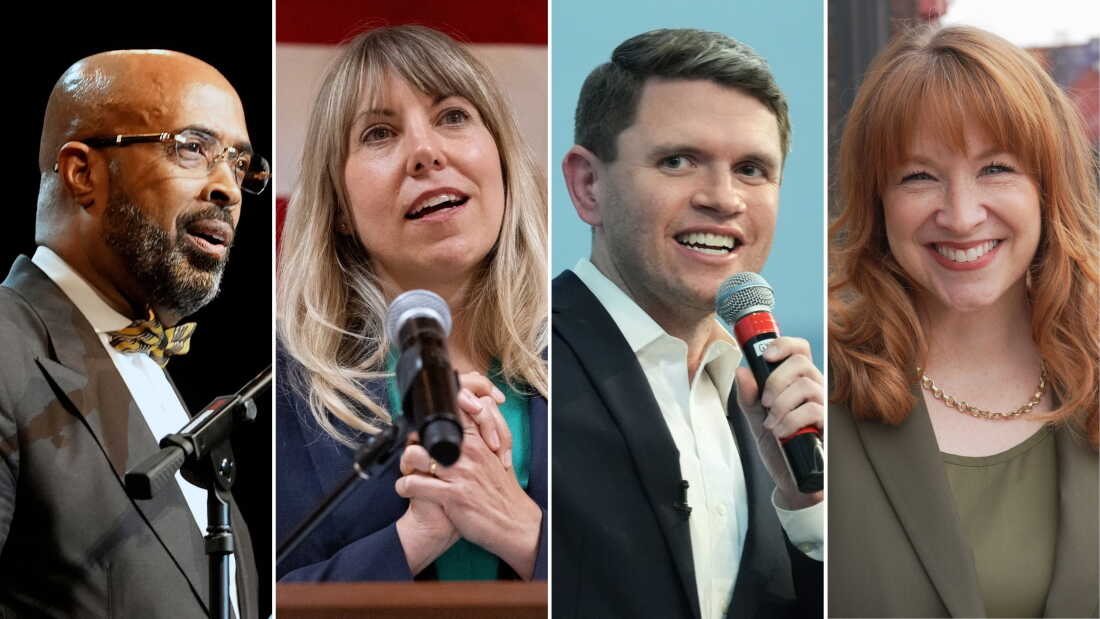
On a Sunday at Brentwood Baptist Church in Houston, James Talarico, a state representative in the Texas House, addressed the congregation. A former teacher and student at Austin Presbyterian Theological Seminary, Talarico is the Democratic nominee for U.S. Senate. He shared his personal connection to Christianity, recalling his grandfather, a Baptist preacher. Talarico emphasized that while Christianity is simple, it is not easy, offering a lens to understand political turmoil.
Democrats seldom focus on religion in campaigns. Yet, in this midterm election cycle, numerous congressional candidates, including ordained clergy members and aspiring ministers, have made religion central to their message. They discuss issues such as healthcare, veterans’ welfare, immigration, and economic opportunity from a faith-based perspective, aiming to connect with voters in regions where religion is vital to public life.
Republicans have criticized this religious emphasis. Some have labeled these candidates as ‘Pastors In Name Only’ (PINOs). Texas Lt. Gov. Dan Patrick criticized Talarico, expressing doubt in his religious sincerity. Talarico, in response, countered that denying healthcare to fund tax cuts is the real blasphemy.
Pew Research Center’s 2023-24 study found a lower religious adherence among Democrats, with 28% of Democrats deeming religion very important. Despite this, Talarico insists his faith does not advocate for theocracy, which he views as dangerous. He criticizes Christian nationalism, prevalent in some governmental ideologies, and stands against its influence.
In Dallas, Frederick Haynes is also using his religious background in his congressional campaign. He leads the Friendship-West Baptist Church and emphasizes concern for marginalized communities. Republicans question Haynes’ authenticity, but he continues to focus on housing, voting rights, and social justice.
Sarah Trone Garriott, another candidate, navigates her dual roles in politics and ministry. As an ordained Lutheran pastor, she reflects on how religion can guide governance through a message of service and compassion. Her Republican opponent questions her religious authenticity, yet she defends her inclusive approach.
Lindsay James, a Democratic nominee in Iowa, merges her chaplain experience with political aspirations. During a campaign event, she discussed healthcare issues, connecting them to her understanding of Christian duties. Her Republican opponent challenges her stance on transgender rights, framing traditional Christian values differently.
These Democratic candidates seek to integrate their faith into their political narratives, recognizing the balance needed between personal beliefs and public governance. Their campaigns reflect a broader interpretation of religious teachings, presenting an alternative view to traditional religious-political interactions.
 Navigating Republican Challenges in Upcoming Midterm Elections
  Bobby Pulido: A Latin Grammy Winner in Congress?
  Illinois Struggles with Immigration Enforcement Post-Operation Midway Blitz
  Confronting the Challenges of Far-Right Fame
  Challenges Facing Prince Harry and Meghan Markle’s Return to the U.K.
  Trump’s Declining Approval in the Midwest and Its Impact on Senate Races