In Kim Stanley Robinson’s novel, The Ministry for the Future, a devastating heat wave in India leads to 20 million deaths, spurring global action on climate change. Once deemed fictional, scenarios like this now resemble potential real-world occurrences. Scientists have long warned about increasing extreme weather events such as heat waves, storms, and floods.
Daniel Swain, a climate scientist, notes the skepticism people have toward these warnings, equating it to the ‘Boy Who Cried Wolf’ dilemma. The risks tied to extreme weather have been understood for over 150 years. In the 1850s, Eunice Newton Foote discovered the warming effect of carbon dioxide, which remains relevant today as greenhouse gases continue to warm the Earth.
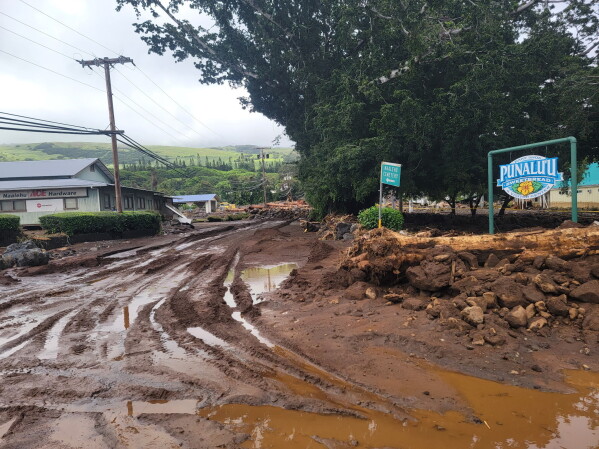
Extreme weather events are becoming more common. Recent examples include Australia’s “Black Summer” of wildfires and the 2022 flooding in Pakistan. Scientist Sarah Perkins-Kirkpatrick emphasizes that even achieving net-zero emissions won’t instantly halt these catastrophes due to the lingering effects of carbon dioxide in the atmosphere.
Despite being aware of these risks, many governments and individuals struggle to tackle the problem effectively. Sonia Seneviratne of the Intergovernmental Panel on Climate Change compares climate risks to smoking, where the absence of immediate effects often leads to denial and inaction.
Some strides have been made. In California, initiatives led by seismologist Lucy Jones have improved earthquake preparedness, exemplifying proactive climate disaster planning.
Popular media often depicts worst-case scenarios in films, such as The Day After Tomorrow and Don’t Look Up, which show society’s tendency to either downplay or dramatize these events.
Catastrophic climate events aren’t a question of if, but when. Over half of all greenhouse gas emissions have been released in just the last 50 years, rapidly exacerbating climate change impacts. Climate models might miscalculate timelines, but evidence shows impacts are occurring sooner than expected. For instance, recent studies in the U.K. underestimated the likelihood of extreme heat, which was experienced earlier than projected.
The possibility of tipping points, like widespread coral bleaching and Amazon rainforest degradation, underscores the gravity of the situation. El Niño events are predicted to intensify, potentially breaking temperature records.
Tim Lenton from the University of Exeter stresses the importance of acknowledging these severe potentials, indicating that more significant shocks could be imminent.
AP’s climate coverage is funded by private foundations, but they maintain editorial independence in their reports.
 Communities Continuing Recovery from Hurricane Helene Explored through Graphic Novel
  Fat Bear Week 2026 Highlights: Meet the Competitors
  Annual Fat Bear Week Begins at Katmai National Park
  Understanding Hurricane Development
  California Prepares for El Niño-Fueled Storms with Emergency Declaration
  California’s Growing EV Adoption: Challenges and Benefits