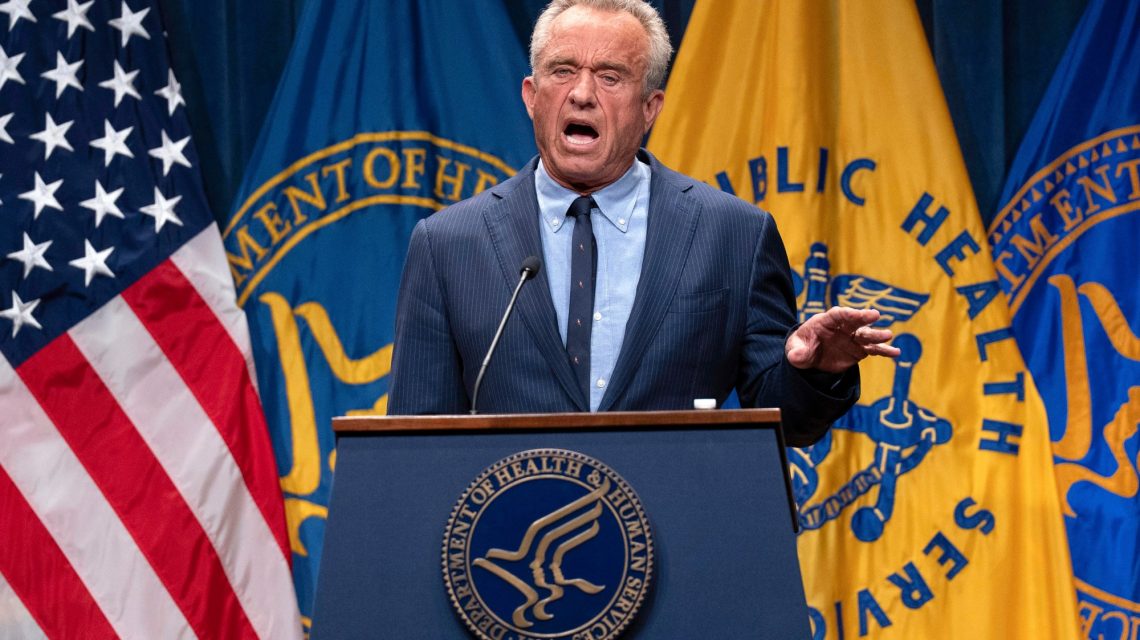
Since 1989, the U.S. government has administered a program that has allocated over $5.5 billion to individuals facing adverse effects from vaccines. Health and Human Services Secretary Robert F. Kennedy Jr. aims to dismantle this program.
The National Vaccine Injury Compensation Program, established by President Ronald Reagan in 1986, is a “no-fault” system designed to achieve two main objectives. It ensures compensation for individuals who suffer rare, severe vaccine reactions without the need for lengthy court proceedings. The program also maintains the stability of the nation’s vaccine supply. It offers a way for families to receive relief without proving manufacturer negligence and shields pharmaceutical companies from overwhelming liability that could jeopardize vaccine production.
The program was created in response to lawsuits that threatened vaccine manufacturers with bankruptcy, leading to shortages of vaccines like diphtheria, tetanus, and pertussis. The National Vaccine Injury Compensation Program addressed these threats and has since enabled the continued research and production of vaccines, saving millions of lives.
The program presumes causation for specific injuries linked to certain vaccines, sparing families from proving negligence and causation. Experts have established this list of presumed injuries through extensive scientific reviews.
Kennedy, however, views the fund as a corporate shield that protects “Big Pharma” from responsibility. He proposes to return vaccine injury claims to traditional civil courts, reopening issues of negligence and causation. He also seeks to include autism as a presumed vaccine injury, aligning with one of his conspiracy theories.
Adding autism to the list of presumed injuries may overwhelm the system with claims, draining funds and leading to its collapse. Kennedy has long advocated a debunked theory linking vaccines to autism, a notion rejected by major scientific bodies worldwide. As head of Health and Human Services, Kennedy’s changes to the program could legally support his conspiracy theory.
If the compensation program is dismantled, the nation could face a crisis similar to 1989, but worse. Endless litigation risks could drive up vaccine costs, and companies might cease production, causing shortages and disease outbreaks. This would undermine public health and herd immunity, endangering the vulnerable, including newborns, the elderly, and the immunocompromised.
Removing the compensation program also negatively impacts families Kennedy claims to support. The fund has provided over $5.5 billion to more than 12,500 injured Americans. Eliminating this system forces families into overloaded civil courts, facing long legal battles, high costs, and the challenge of proving manufacturer fault. Although the current system isn’t perfect and has administrative delays, replacing it with a flawed litigation process is disadvantageous for victims.
Richard Sauber, a Washington lawyer and former special counsel to President Biden, stresses the importance of maintaining the program.
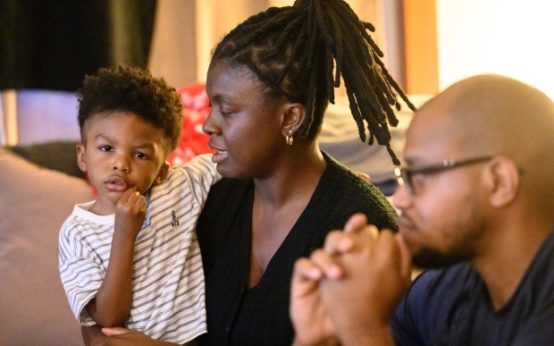 A Family’s Journey with Sickle Cell Disease
 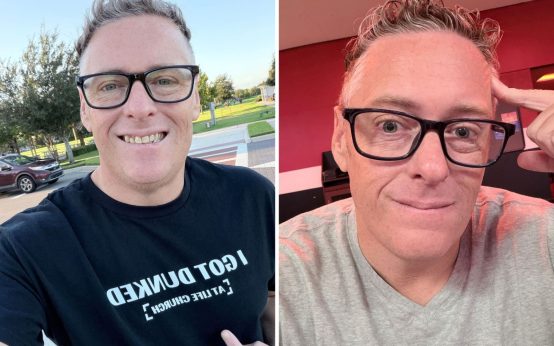 Jeremy Scott: Navigating Life with Early-Onset Alzheimer’s
  Understanding the Q-Collar’s Role in Brain Protection for Athletes and Soldiers
  Understanding and Addressing Everyday Memory Lapses
  The Impact of Private Equity Ownership on Hospitals
  Potential Ban on 7-OH Fuels Concern Among Illinois Residents