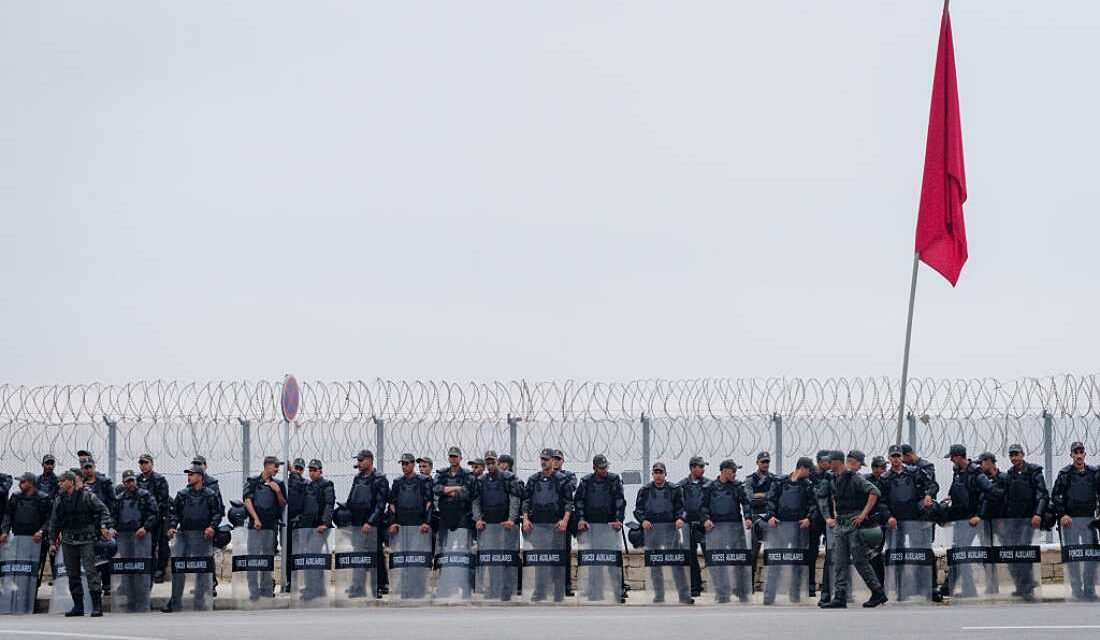
On August 15, 2026, heavy police and army deployment was prepared at the border between Morocco and Spain in Fnideq, Morocco. This took place following a significant event on July 30, where more than 70,000 migrants crossed into Ceuta, leading to over 140 fatalities. The situation remains tense as Spain tries to manage the aftermath.
Efforts to Return to Normalcy
The Spanish government claims that most migrants returned to Morocco voluntarily. However, many, including unattended minors, still remain in Ceuta. Local residents are adapting through various measures, from providing aid to forming neighborhood watch groups. For some, like Juanjo Coronado, it means avoiding going out entirely.
This continual state of unrest has left us feeling exposed and abandoned, say locals.
The magnitude of the crossing was a surprise for Spanish authorities, who were already battling severe wildfires. The European Union also faced divisions over the incident. Yet, for longtime residents like Teresa Pardo and Juanjo Coronado, similar events have historical precedents, though the scale of this incident was unprecedented.
Pattern of Crisis Management
According to José Bautista, lead researcher at porCausa, Morocco has historically managed such crises by negotiating with Spain after creating migration crises in Ceuta, Melilla, or the Canary Islands. The recent mass crossing followed this pattern, with Morocco subsequently aiding in managing attempted crossings afterwards.
Many view Morocco’s role as complex, with its historical claims on Ceuta and Melilla adding layers to the geopolitical tensions. These territories have long been Spanish, surrounded by a high-tech border designed to control migration.
Increasing Attention to Border Policies
Ceuta and Melilla have become focal points for migration control strategies. The fences are profitable ventures for companies that conduct trials for advanced technology meant for global export. However, securing these borders relies on cooperation with countries like Morocco.
Morocco’s aspirations over territories like Ceuta influence its leverage over Spain and the broader region. Historical claims further complicate diplomacy, leading to events like the recent border crossing.
Social Media Impact
Soraya Aybar Laafou observed that social media played a role in the July 30 events. Through platforms like Facebook and Instagram, young Moroccans discussed the crossing, prompting many to move towards Ceuta in a coordinated fashion. While authorities were aware, Moroccan law enforcement appeared absent, leading to the unimpeded mass crossing.
Underreporting and Challenges
Journalist Barbara Ayuso reported significantly higher migrant figures than official statements, estimating around 8,000 remaining in Ceuta, including vulnerable groups like minors. Conditions are harsh, with migrants lacking basic necessities, leading to local protests demanding governmental action.
The Pegasus Controversy
Journalist Ignacio Cembrero highlights another layer to the crisis, linking the border crossings to his investigative work on Morocco’s alleged use of Pegasus spyware against Spanish officials. This incident stirred tensions between Morocco and Spain, potentially influencing the July 30 events.
While some, like Riccardo Fabiani from the International Crisis Group, caution against ascribing a single cause to the events, the geopolitical dynamics between Spain and Morocco remain complex. Turning the page on these incidents poses a challenge, underscoring the intricacies of border security and international relations.
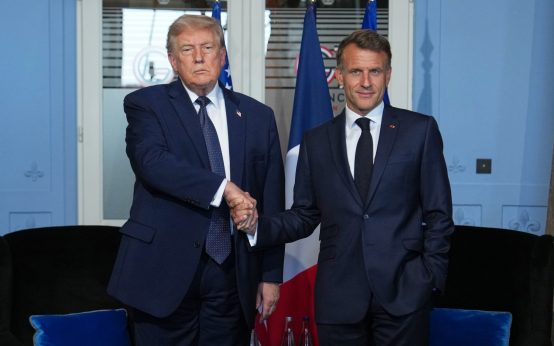 G7 Nations to Release 100 Million Barrels of Oil Amid Fuel Price Surge
  Attempted Hijacking on FlyDubai Flight to Tel Aviv
 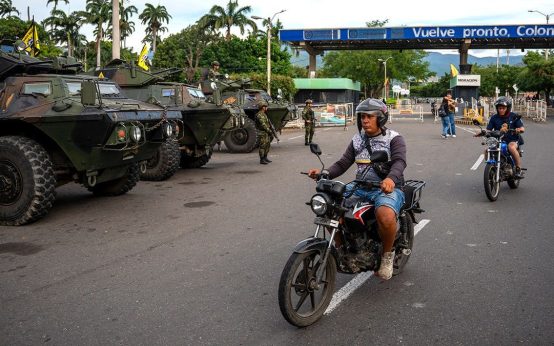 U.S. Officials Warn Against Travel to Colombia’s Norte de Santander
 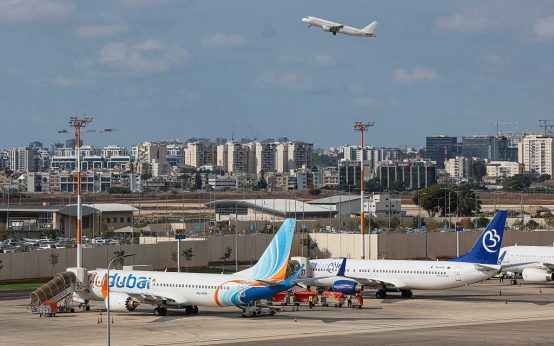 FlyDubai Co-Pilot Accused of Attack Had Previous Extremist Concerns
  Co-Pilot Attack and Security Concerns in Aviation
 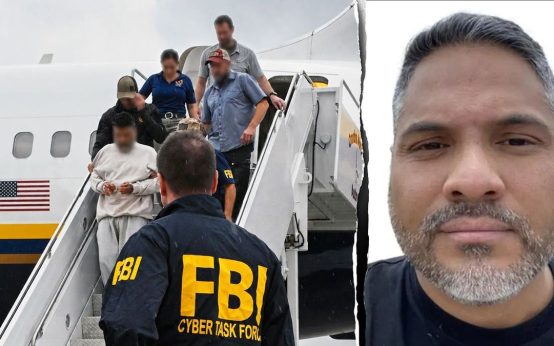 17 Iranians Charged in Cyber Theft Campaign