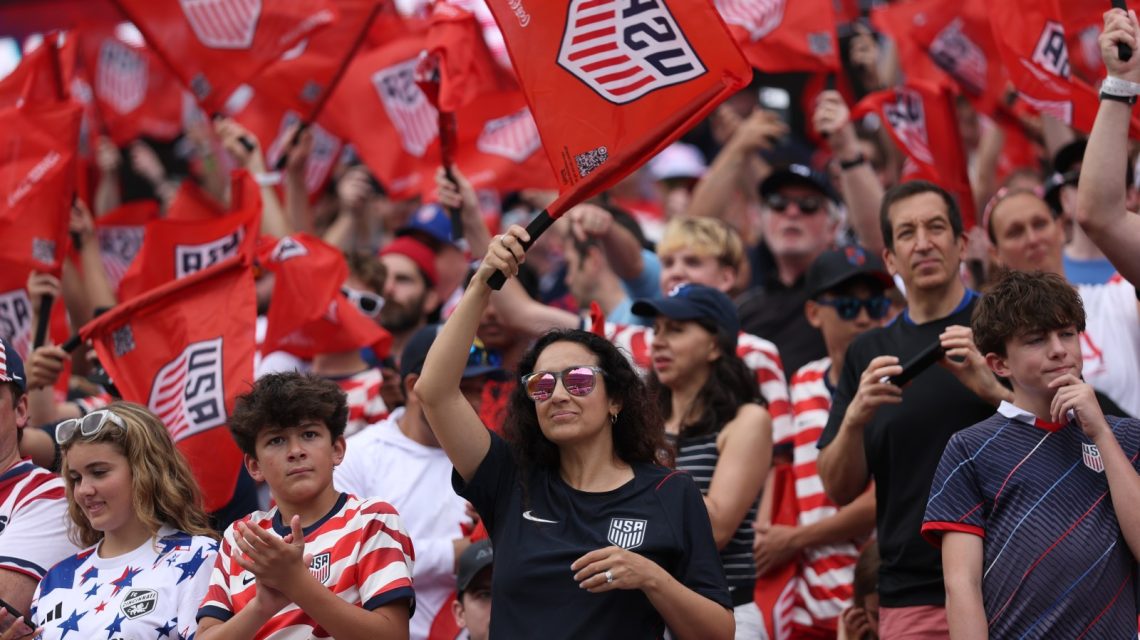
The 2026 FIFA World Cup has begun, marking a historic event as 48 national teams compete across the United States, Canada, and Mexico. This tournament features 104 matches in 16 stadiums, a significant increase from the 64 games in the 2022 World Cup held in Qatar. The opening match between Mexico and South Africa takes place at Estadio Azteca in Mexico City on June 11, with the final scheduled for July 19 at New York New Jersey Stadium (MetLife Stadium) in New Jersey.
Chicago’s Decision to Opt-Out
Despite hosting numerous iconic sports teams like the Bears, Bulls, Blackhawks, Cubs, and White Sox, Chicago will not host any World Cup games. Former Mayor Rahm Emanuel played a crucial role in this decision. In an interview with The Athletic, Emanuel explained his reasoning. “We were on the front end of the bad side and the back end of the good side,” he stated. He expressed concern over unfair treatment of Chicago taxpayers if they were viewed as ‘the dumb money’ at the table.
“Then they said in the contract that they had the right to request a dome be built over Soldier Field. And I said, ‘You have got to take that out.’ They go, ‘We never exercise it, but it’s something we ask everybody.’ I said, ‘I don’t care if you’ve never exercised it. There will always be a first. Take it out and we can work through the other issues.’ They said, ‘We can’t take it out.'”
Former Mayor Emanuel firmly opposed the potential $50-$100 million expense for a dome over Soldier Field, which would be a burden on taxpayers without city input. He stated that this condition, entirely dictated by FIFA, was unacceptable.
Chicago’s official statement highlighted that FIFA’s inability to provide certainty on critical issues posed a risk to the city and its taxpayers. Furthermore, FIFA’s inflexibility in negotiations marked a turning point leading to Chicago’s withdrawal from consideration as a host city.
Requirements and Alternatives
FIFA had set comprehensive requirements for host city candidates, including stadium upgrades, security arrangements, transportation infrastructure, tax exemptions on ticket sales, fan festival areas, and commercial exclusion zones surrounding venues for an extended period. Chicago’s breaking point was the clause allowing FIFA to request a dome over the open-air Soldier Field, a potentially costly project for taxpayers.
With Chicago stepping back, FIFA proceeded with other cities such as Atlanta, Boston, Dallas, Houston, Kansas City, Los Angeles, Miami, New York/New Jersey, Philadelphia, and San Francisco.
 Concerns Raised Over Canadian Assisted-Dying Program
 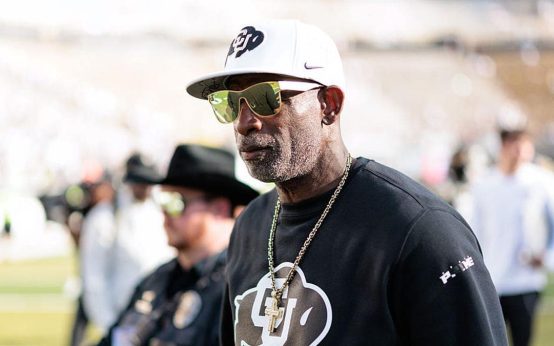 Deion Sanders Addresses Colorado Loss and Team Conduct
 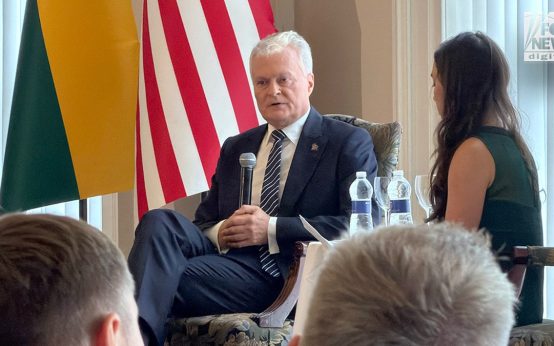 Lithuanian President Urges U.S. to Maintain Military Presence Amid NATO Challenges
 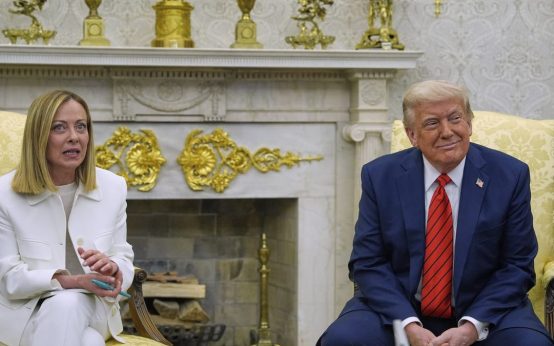 Italian PM Giorgia Meloni Skips UN General Assembly Amid U.S. Tensions
  Steve Lotysz: From Gates to Galleries
 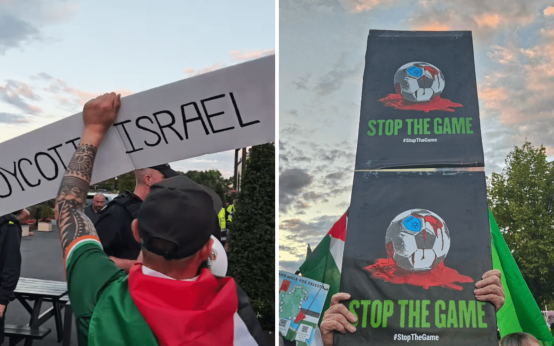 Ireland Faces Calls to Boycott Matches Against Israel