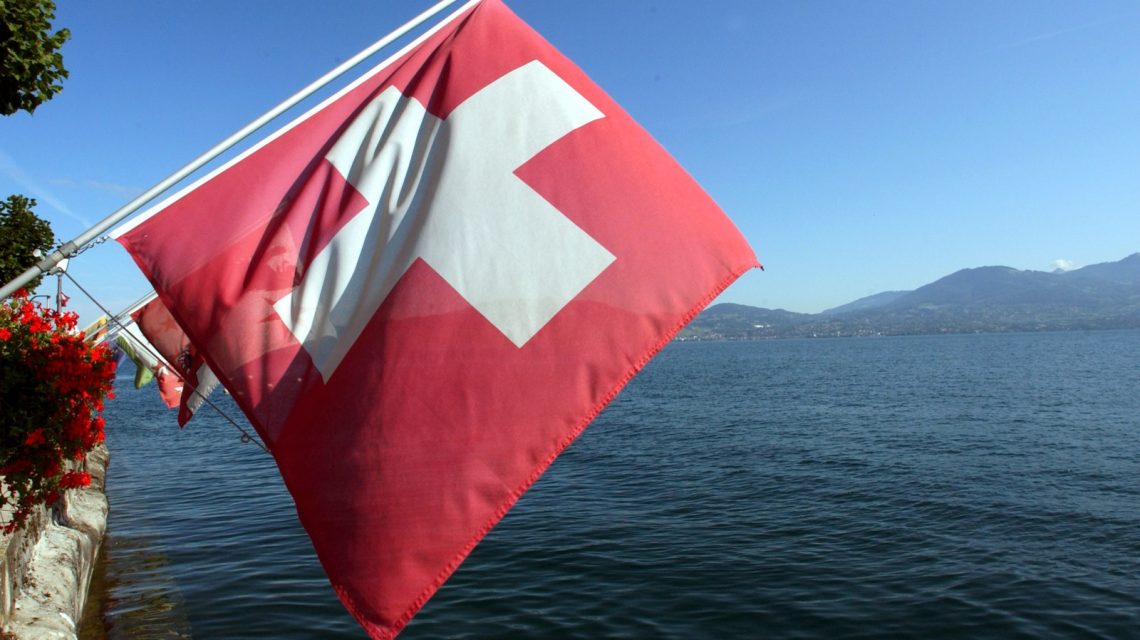
Switzerland Faces a Pivotal Population Vote
On Sunday, Switzerland will vote on a significant proposal to restrict its population to 10 million. This referendum has drawn attention across Europe as a test of public perspectives on immigration, national identity, and economic development.
Understanding the Initiative
Supported by the right-wing Swiss People’s Party (SVP), the initiative would compel government action if the population exceeds 10 million. Measures might include terminating Switzerland’s free movement agreement with the European Union.
Current Demographics
Switzerland’s population has risen rapidly. In 2002, it stood at 7.3 million, growing to over 9 million by 2025. This increase followed eased cross-border living and working restrictions with the EU.
Arguments and Concerns
Proponents claim fast growth strains housing, transport, and public services. They feel migration is the culprit. Critics contend the issues have complex roots beyond immigration.
National Debate
Switzerland is among the wealthiest nations, ranking highly in GDP per capita, living standards, and economic competitiveness. Despite prosperity, immigration concerns influence Swiss politics.
The vote’s implications could affect broader European discussions on migration and sovereignty.
The Origins of the Initiative
The SVP, emphasizing immigration control, brought this proposal forward. Switzerland’s democratic system enabled the initiative’s inclusion in a nationwide vote after gathering over 100,000 signatures.
SVP’s Perspective
The SVP argues that growth, driven by immigration, pressures housing, transport, and services. It emphasizes preserving national identity, suggesting ongoing population growth could erode cultural character.
Historical Campaign Focus
The SVP has historically pursued immigration-centric policies, previously advocating deporting foreign criminals and ending EU free-movement through its Limitation Initiative.
Counterarguments
Opponents, including the government, believe a population cap would harm the economy, increase labor shortages, and jeopardize EU relations.
Sifting Through Immigration Facts
In 2025, 165,386 foreign nationals moved to Switzerland, mostly from the EU/EFTA as reported by the Swiss State Secretariat for Migration. Declining asylum applications indicate a shift from the refugee crisis peak in 2015.
Migration Trends
Net immigration decreased by 10.5% in 2025, reaching 74,675 due to more departures. Foreign nationals represent 27% of the Swiss population, higher than the EU average of nearly 10%.
Challenges Beyond the Cap
Opponents highlight Switzerland’s reliance on foreign labor and an aging population. The country’s fertility rate fell to 1.3 in 2024, below a sustainable replacement rate.
Migrant Contribution
Economists stress migrant workers are crucial for addressing labor shortages and supporting the tax base amid increasing retirements.
Complex Identity Debates
The SVP’s position links immigration with identity issues, warning of cultural loss and identity shifts. It lists “creeping Islamization” as a concern. Critics argue the measure frames migration negatively to simplify broader societal challenges.
Public Opinion
Recent polls show divided opinion on the cap. An early survey indicated a split, with equal support and opposition, while a later poll suggested slight opposition dominance.
Implications for Switzerland-EU Relations
The proposal would necessitate governmental action at the 9.5 million population mark, ensuring no surpass before 2050. Potential outcomes include altering or ending international agreements fostering growth.
Ending the EU free movement agreement could destabilize bilateral treaties, impacting Switzerland’s major trade partner connections.
Switzerland’s Federal Council warns this threatens economic ties with the EU, affecting commerce, workers, and cooperation.
 Court Ruling Against Trump Administration’s Deportation Policy
  FAA Approves Trump’s Proposed Arch in Arlington
  Defense Secretary Backs Trump’s Ban on Media Outlets
  Political Tactics Threaten Free Press and Market
  Congressional Actions to Curb Presidential Powers
  Trump’s Early Return from Camp David Amid Middle East Escalation