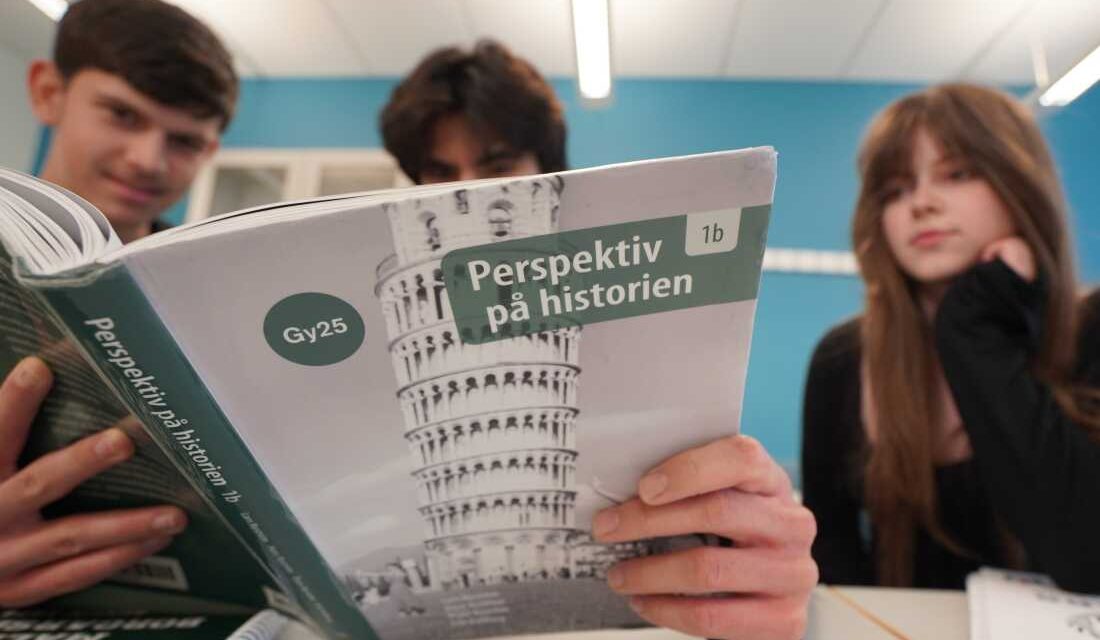
Sweden, long known for its embrace of digital technology, is planning to ban mobile phones in schools starting in the fall of the next academic year. This decision is a part of a global movement to reduce screen use in classrooms. Since 2023, the country’s center-right coalition government has pushed for more reading and less screen exposure, especially for younger students, by focusing on books and traditional teaching tools.
Joar Forsell, who chairs the Swedish parliament’s education committee, noted a decline in reading and writing skills among Swedish students, particularly younger ones. Forsell stated, “We believe that books and traditional learning methods are more effective for children’s education.”
This shift reflects a broader trend against the use of smartphones in schools worldwide. Countries like Denmark plan to follow Sweden’s lead, and Finland has already imposed restrictions on mobile phone use in schools since last August. Other nations, including Spain and South Korea, are also taking measures to limit screens in educational settings.
The Los Angeles Unified School District in the U.S. is another example. It plans to restrict screen time for younger students by banning screens until the second grade and setting daily limits on screen usage. It will also ban YouTube and audit education technology contracts.
Screen Policy Changes in Sweden
Sweden, home to tech giants like Spotify and Ericsson, boasts a highly digital education system. However, the mobile phone ban aims to reduce distractions. The government is also providing 555 million Swedish krona ($59 million) for purchasing textbooks and teacher guides as part of a new grant. This initiative responds to falling reading abilities, as evidenced by the 2022 Program for International Student Assessment, where 24.3% of Swedish ninth graders did not achieve basic reading comprehension. This is slightly better than the EU average of 26.2%.
Cognitive science expert Magnus Haake of Lund University stated that physical learning materials engage the sensory parts of children’s brains and enhance learning.
Outside of school, Sweden’s public health agency advises parents on reducing screen use at home, creating “screen-free zones” similar to those at school.
Implementing Mobile Phone Bans
At Malmö Borgarskola high school, mobile phones are already banned during classes. Students deposit their phones in a “Mobile Hotel” at the start of class and retrieve them afterward. As student Melina Sallahi explained, “When you have a phone, there’s always something to look at. It’s less of a distraction without it.”
Classmate Vasilije Stjepanovic echoed this sentiment, pointing out that games and social media apps are more entertaining than lessons, impacting learning. Although each student receives a laptop, use during classes is discouraged unless necessary, according to Deputy Headmaster Patrik Sander. He reinforced the value of traditional methods, saying, “Writing with your hands and a pencil helps you remember.”
Children under two years old in Sweden are now encouraged to use only nondigital materials, with no digital tools required for preschoolers. A new book-focused curriculum is anticipated in 2028.
Debate Over Digital Learning
Not all Swedes agree with the move away from digital learning. The Swedish Edtech Industry trade association reported that 90% of future jobs will require digital skills. The report warned that insufficient digital knowledge could lead to a skills gap, hinder innovation, and increase unemployment rates in Sweden.
Peter Carlsson, CEO of Imvi Labs, a virtual reality company in Malmö, argued that certain digital tools are essential for students with learning difficulties. He remarked, “Good tools can make teaching more efficient.”
Despite these concerns, students at Malmö Borgarskola focus on textbook learning, even discussing Russian history as they prepare for exams. Melina Sallahi commented, “Everyone uses digital devices in their free time, so I don’t think it needs to be taught in school.” Classmate Aslan Özhan Kilicasan added, “We learn much more easily when we use books.”
 Dedicated Educator Stays On to Support Growing Program in Rural Missouri
  College Podcast Challenge: A Catalyst for Change
  NPR College Podcast Challenge Returns for Another Year
  Cristo Rey Jesuit High School’s Unique Approach to Education
  New Civics Education Requirements and Student Self-Censorship
  Missouri’s Educational Pioneering Efforts