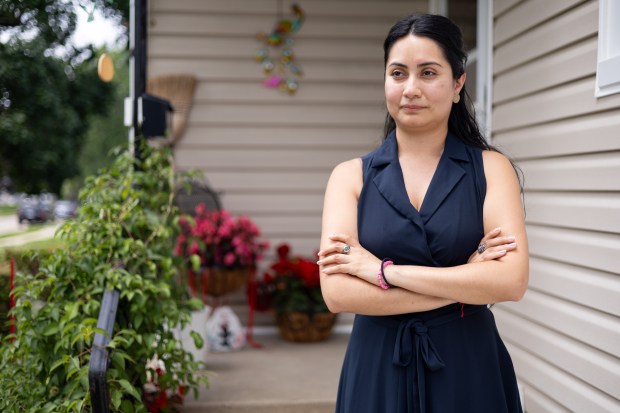
A pregnant mother in Chicago breathed a sigh of relief this week as the Supreme Court reaffirmed the principle of birthright citizenship. Fearing for her unborn daughter’s rights, this undocumented woman from Mexico expressed gratitude when the court rejected President Donald Trump’s order to end automatic citizenship for children born to undocumented or temporary residents.
The Supreme Court’s 6-3 decision upheld the 14th Amendment’s guarantee of citizenship for those born on U.S. soil. Exceptions remain narrow, such as children of foreign diplomats. The case, Trump v. Barbara, halted efforts to redefine citizenship, a central piece of Trump’s immigration agenda.
Trump attempted to end automatic citizenship on his second term’s first day with an executive order effective February 19, 2025. However, lower courts blocked the nationwide order, which might have affected over 250,000 births annually.
Illinois Governor JB Pritzker, a Trump critic, celebrated the decision as a constitutional victory. Yet, he cautioned against Trump’s attempts to bypass the rule of law. Pritzker underscored that birthright citizenship contributes to America’s greatness.
The executive order formed part of Trump’s broader anti-immigration measures. These included capping refugee numbers and aggressive deportation efforts, particularly in cities like Chicago.
“Hate lost today because this executive order was done by hate.” – State Rep. Barbara Hernandez
Many immigrants and local leaders hailed the ruling, including Rep. Barbara Hernandez. Born to a Mexican immigrant mother, her emotional reaction underscored the personal stakes involved. U.S. Rep. Delia Ramirez of Illinois shared her own immigrant story, reinforcing birthright citizenship’s significance.
Illinois Attorney General Kwame Raoul joined other states in suing to block the order, emphasizing his personal connection as a birthright citizen from an immigrant mother.
Conversely, some remain disappointed. Illinois Republican Rep. Mary Miller criticized the decision, arguing it maintained immigration system abuses. Trump voiced discontent, insisting Congress could change the situation with new laws. Yet, constitutional experts find altering this ruling requires an amendment.
The ruling prompted varied reactions online. Some urged stronger borders and deportations, while others praised the decision as common sense. Several advocates and legal experts hailed it as a reaffirmation of long-standing legal principles.
Fred Tsao from the Illinois Coalition for Immigrant and Refugee Rights highlighted historical precedents, like the 1898 United States v. Wong Kim Ark decision, reiterating birthright citizenship for all born in the U.S.
The ACLU of Illinois welcomed the decision, recognizing ongoing legal battles over birthright citizenship. Ed Yohnka, from the ACLU, pushed for continued civic engagement despite the ruling.
In academia, Jason Mazzone from the University of Illinois Urbana-Champaign lauded the decision’s timing ahead of the nation’s semiquincentennial, reinforcing America’s commitment to birthright equality.
 American Public Opinion on Press Freedom
  Media Lawsuit Against Trump Administration for White House Ban
  The Cost of Challenging Beijing
 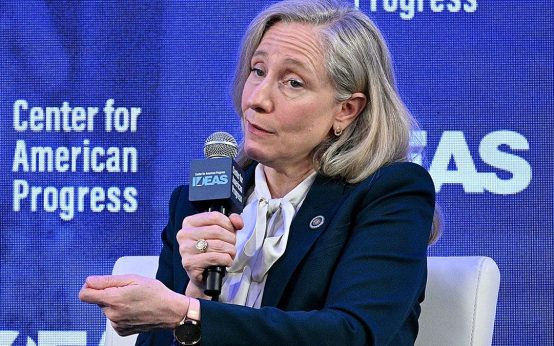 Analyzing Midterm Elections and Party Dynamics
 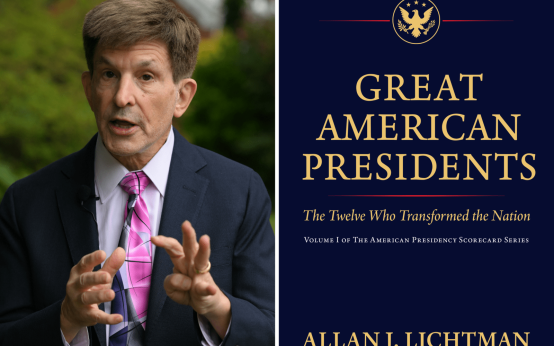 Allan Lichtman’s Framework for Assessing Presidential Greatness
 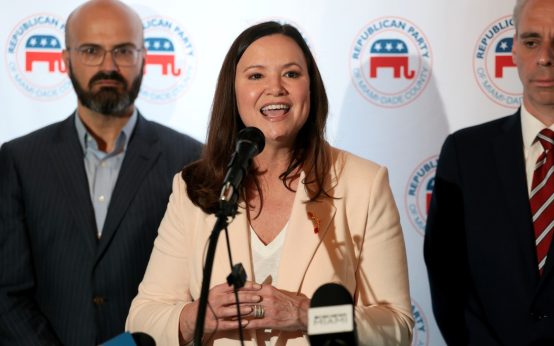 Florida Senate Race Tightens as Recent Polls Show Dead Heat