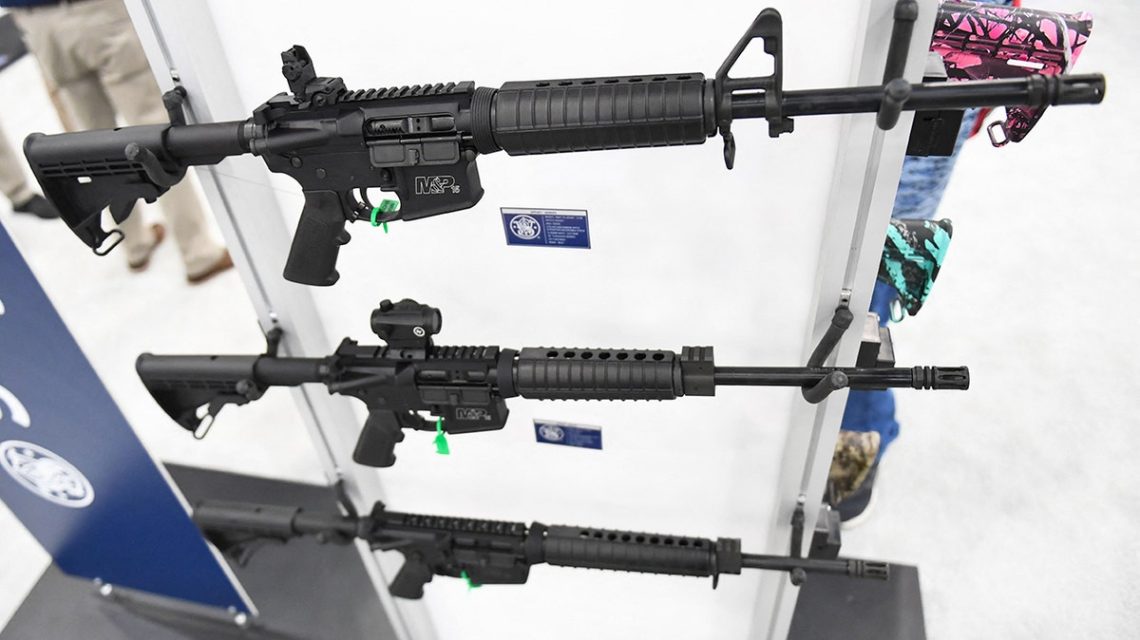
The Supreme Court has issued significant rulings impacting gun rights and immigration. The Court overruled Hawaii’s law regulating firearms in private settings, enabling Second Amendment advocates to celebrate. Additionally, the Court supported the Trump administration’s stance on asylum policies.
Gun Rights and Federal Ban
A federal appeals court recently decided that a federal ban on gun possession by individuals with felony convictions is not universally constitutional. The ruling specifies the prohibition should only apply to those with past offenses involving violence or threats of firearm misuse.
The U.S. Court of Appeals for the Third Circuit outlined guidelines for enforcing the federal firearms ban within the context of the Second Amendment. The judges, several of whom were appointed by President Donald Trump, maintained the gun restriction against a man with a carjacking conviction. However, they decided it could not apply to another man previously convicted of drunk driving.
Case of James Bost
James Bost, guilty of various charges tied to a 2002 carjacking in Pennsylvania, was later indicted on federal firearm charges. Bost contested that these charges infringed on his Second Amendment rights. U.S. Circuit Judge Stephanos Bibas, part of the majority, stated that individuals convicted of crimes demonstrating a potential for firearm misuse could be disarmed based solely on those convictions. He emphasized that the ability to bear arms has restrictions.
Case of Edward Williams
In another matter, the court ruled against applying the federal firearm ban to Edward Williams, convicted of multiple drunk driving offenses. Previously sentenced to 90 days to two years served under home confinement, he argued the federal prohibition was unconstitutional. U.S. Circuit Judge Paul Matey, another Trump appointee, opposed the justification that historical bans on habitual drunkards warranted the same federal firearms restriction.
Matey supported Williams as a “peaceable citizen.” He argued the Constitution restores civic privileges, including the right to armed defense. Meanwhile, Judge Arianna Freeman dissented, suggesting gun restrictions should apply to individuals presenting any credible public threat, not just explicit violence or threats.
Williams’ attorney, Joshua Prince, praised the decision for acknowledging the absence of historical precedence in stripping away Second Amendment rights from non-violent individuals.
Implications
These rulings form part of ongoing evaluations of modern gun restrictions’ constitutionality, following the Supreme Court’s 2022 Second Amendment decision. This decision in ‘New York State Rifle & Pistol Association v. Bruen’ asserted that contemporary gun regulations must align with historical firearm regulation traditions.
 Concerns About Political Intimidation in Recent Congressional Raid
 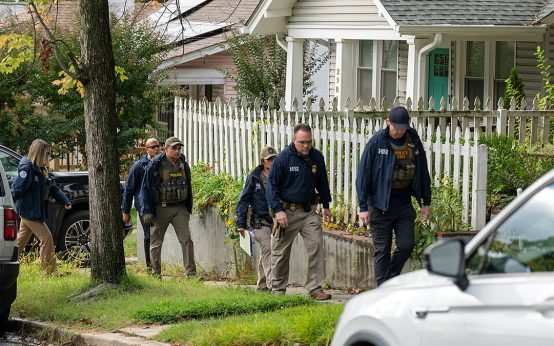 DOJ Investigation into Rep. Ilhan Omar: VP JD Vance Comments
 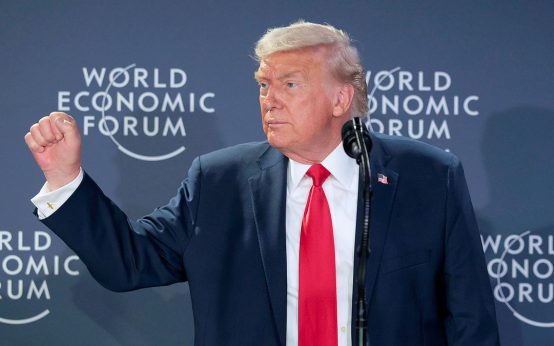 US Military Presence in Greenland Grows Amid Resource Exploration Plans
 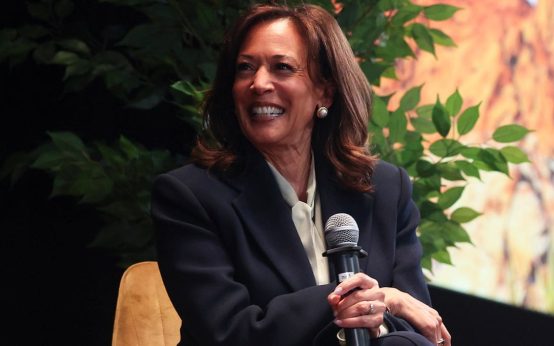 Kamala Harris Defends Her Political Moves Amid Criticism
  Midterm Debates: Impact and Participation
  Efforts to Continue Epstein Probe Despite DOJ Conclusion