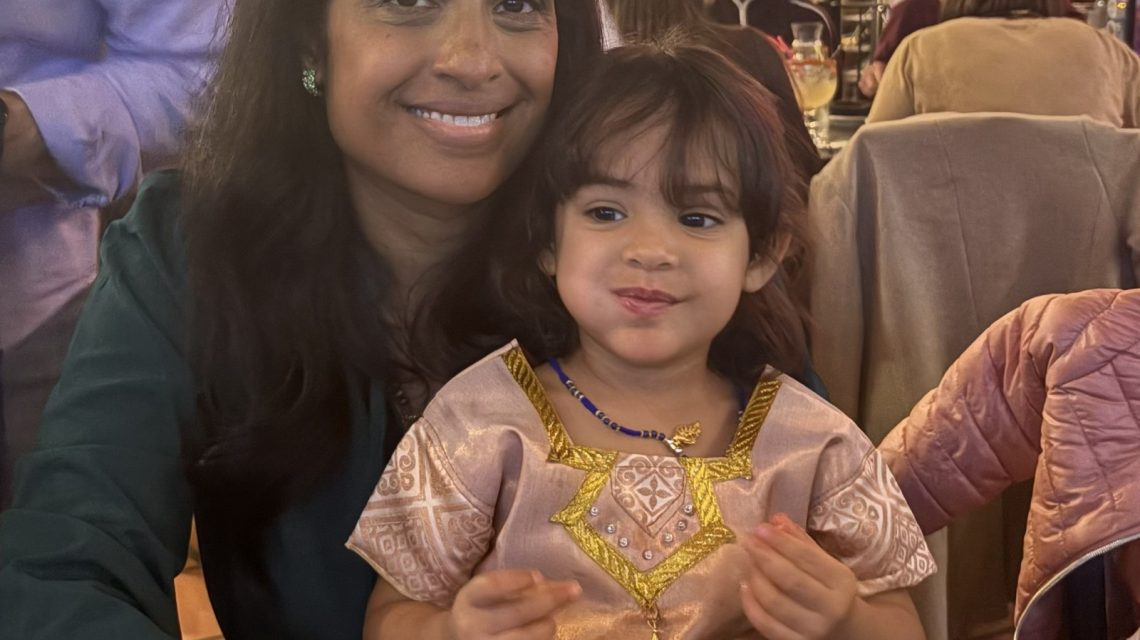
My three-year-old daughter started school recently. She is small for her age, with a face that adults often perceive as easygoing. One day, she came home looking concerned and said, “People keep calling me ‘so sad.’” Initially, I thought it might be separation anxiety and that classmates were empathizing with her. However, she continued to report the name-calling daily, as if it were her identity. Something felt wrong.
After some probing, I discovered the reason: a bigger boy had become her first bully. Without any physical aggression, he labeled her “so sad.” This taunt gained traction among her peers, becoming a daily chant. It was emotionally draining for her and heartbreaking for me. Her experience resonated with deeper meaning—we understood he meant she was pathetic, small, and vulnerable. For four grueling months, she endured this mistreatment, which left a lasting impact on her emotions surrounding school.
Despite addressing the issue with the school and speaking to other parents, changes were slow. A parent mentioned a pediatrician’s take, considering it a healthy show of empathy. Yet, empathy had no role here. The bully’s mother assured cooperation, but that didn’t end my daughter’s isolation and mockery. This wasn’t conventional bullying with bruises or screams. It was psychological, subtle, yet damaging.
Teachers advised her to walk away and say, “no thank you.” However, such advice often places undue responsibility on victims to be the bigger person. It is especially upsetting as a mother of two daughters, believing that society has progressed with anti-bullying campaigns and systems promoting safety. Expectations that victims should handle their tormentors gracefully are problematic, particularly for young girls.
Without effective school intervention, I taught my daughter some comebacks, such as “Eat a brick,” and “Go kiss a giraffe,” to build her confidence. Each time the bullying occurred, she responded, but the taunts persisted. Desperate, I resorted to a non-traditional strategy: “You’re a bully, and the police are going to get you.” This was not an ideal parenting choice and diverged from my personal advocacy values, yet context made it necessary. Parenting doesn’t always align neatly with ideology, especially when children’s safety is at stake.
When the bully repeated his taunt, my daughter responded with strength: “You’re a bully and the police are going to get you!” In an unexpected turn, her peers echoed her words, aligning with her. This peer support, though transient, shifted classroom dynamics. Teachers now addressed language and behavior, culminating in a ban on calling her “So Sad.”
I praised her. Sometimes you must discomfort others to protect yourself. Girls learn early to endure pain gracefully, valuing niceness over safety. Mothers receive similar lessons. We disguise this as emotional intelligence, effectively teaching self-diminishment. This lesson is more pronounced for girls of color, like my daughter.
I don’t encourage threatening with law enforcement in every conflict. This approach isn’t sustainable, nor is she expected to manifest the traits of a stereotypical Karen. But society will often demand that she endures harshness quietly. Preparedness to counteract this is essential.
Bullying silence did not prompt school action. Finding her voice did. If we had to endure a temporary misconception about police involvement to protect her self-worth, so be it. This assurance aids my sleep at night, knowing she’s empowered to defend herself, even at peace’s expense.
Inimai Chettiar is president of A Better Balance, a nonprofit focused on advocating for women and caregivers in the workplace, and is a mother of two girls.
All views shared in this article are the author’s own.
Do you have a personal essay you want to share with Newsweek? Send your story to [email protected].
 Scarecrow Festival in St. Charles Brings Community Together
  A Journey from Abandonment to Embracing Identity
  Former Jihadist Shares Radicalization and Deradicalization Journey
  Vicky Titcomb’s Cancer Journey and Treatment Advances
  Mike Ditka: A Legacy in Football
  Pro Wrestler KJ Orso Showcases Native American Heritage