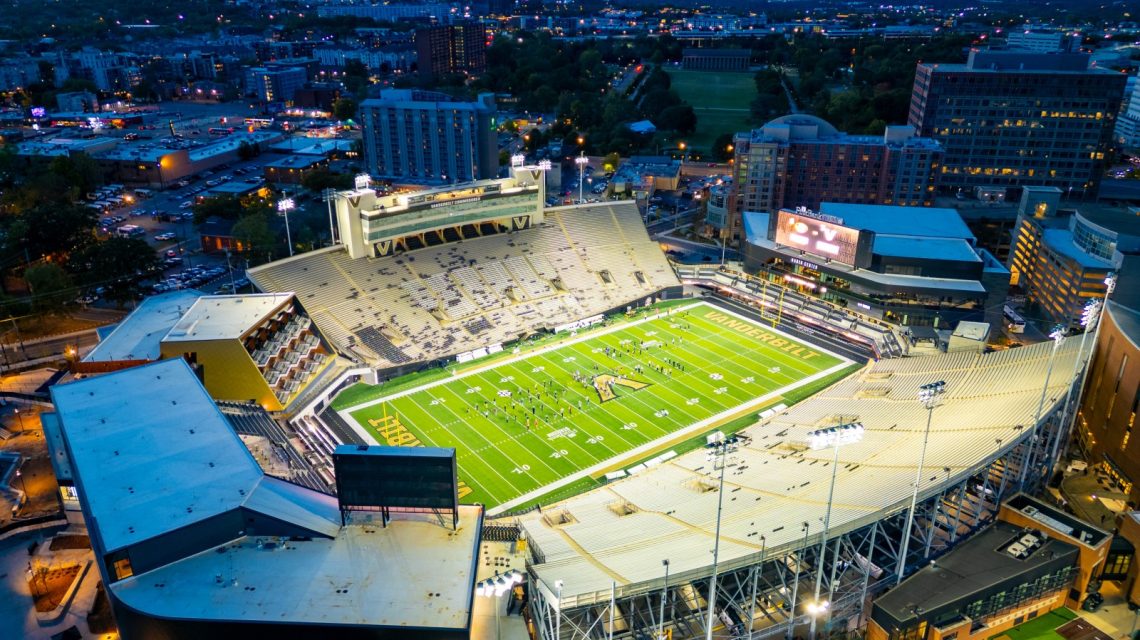
The U.S. Senate has taken a significant step in reforming the collegiate athletic system by passing the Protect College Sports Act of 2026. The bill, approved in a 77-22 vote, aims to establish uniform rules for college athletics concerning player transfers and likeness payments.
This legislative action reflects an effort to replace various state laws that have emerged following athletes’ ability to earn money from their name, image, and likeness. Supporters of the bill feel that this uniformity is crucial for maintaining stability in collegiate sports, while critics worry about potential restrictions on athletes’ rights.
Senator Cory Booker, a Democrat from New Jersey, publicly opposed the bill, expressing concerns via social media. He stated that college athletes deserve more rights and protections, given their contributions to university revenues and the broader sports ecosystem.
Conversely, Republican Senator Ted Cruz of Texas hailed the passage as a historic day for college athletics. As chairman of the U.S. Senate Committee on Commerce, Science & Transportation, he emphasized the importance of safeguarding the interests of current and future student-athletes and preserving college sports as a treasured American tradition.
“Today is a monumental day for college athletics,” Cruz asserted. “The United States Senate voted to protect student-athletes and every college sports fan who wants to preserve this tradition for generations.”
Cruz affirmed that the bipartisan support indicates considerable consensus on the need for reform, urging the House of Representatives to act swiftly in support of the bill.
President Donald Trump also commented on the vote, acknowledging the significance of the Senate’s decision for college sports. He extended congratulations to Randy Levine, President of the New York Yankees, for his efforts related to the bill.
The Protect College Sports Act follows a court settlement in 2025 that authorized educational institutions to compensate athletes for their image, likeness, and name. This move marked a pivotal change in college sports economics, and the current legislation seeks to further structure this evolving landscape.
The Senate has seen notable dissent, with several senators voting against the act. Notable opponents include Angela Alsobrooks, Richard Blumenthal, Lisa Blunt Rochester, Cory Booker, among others, who remain concerned about the bill’s impact on athletes’ rights.
The story is ongoing, and further details will be provided as the legislative process progresses.
 A Test of Leadership in Global Crises
  Examining Accountability in Missouri’s Education System
  Controversy Surrounding ‘The View’ and Political Endorsements
  Reparations Study Delay Sparks Criticism from Activist Group
  Abdul El-Sayed Open to Debate on Bill Maher’s Show
  Sen. Collins Stands Firm After Vandalism of Maine Office