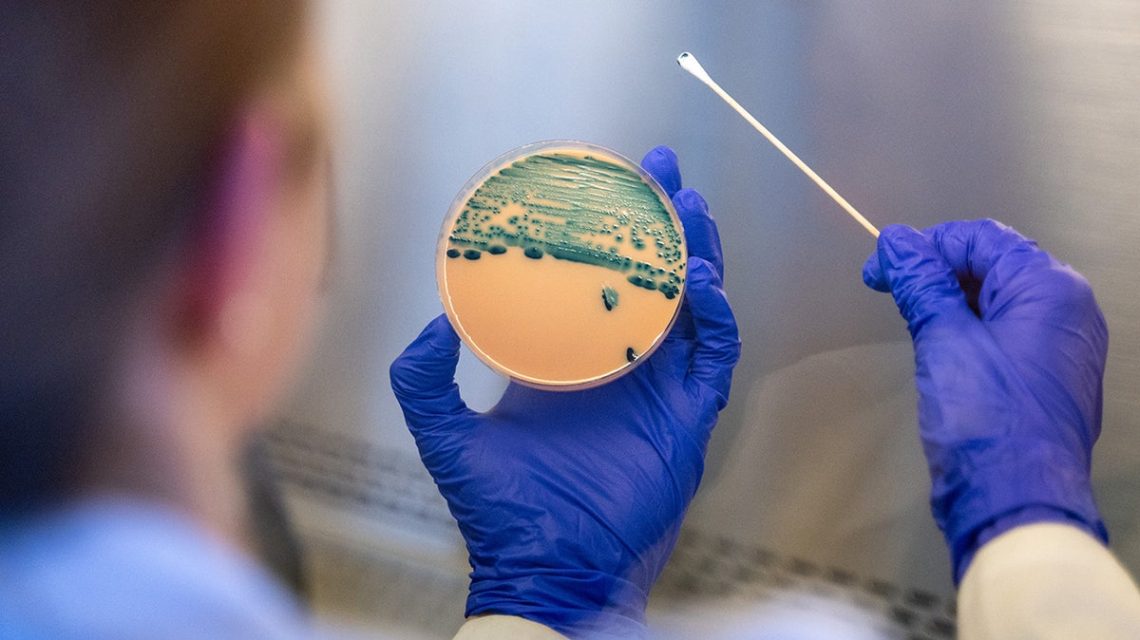
Recent findings highlight a growing challenge with antibiotic-resistant Shigella infections. The Centers for Disease Control and Prevention (CDC) analyzed nearly 17,000 samples collected between 2011 and 2023. In 2023, 8.5% of these samples were classified as extensively drug-resistant (XDR), showing resistance to all five antibiotics evaluated by the CDC. This marks a notable increase from 0% between 2011 and 2015.
Dr. Tyler Evans, an infectious disease expert, pointed out the bacteria’s evolving resistance rather than a rise in overall infections. He emphasized, “The infection is not surging. The bacteria are changing.” The lack of FDA-approved oral antibiotics for XDR Shigella adds to the concern.
Transmission and Affected Populations
Shigella spreads through contact with fecal matter, contaminated food or water, and unwashed hands. It can also spread via sexual activity, though it is not considered a typical sexually transmitted infection, according to Dr. Andi Toufexis, a specialist in sexual health.
The CDC report noted that most XDR Shigella cases were adult men, many of whom had not traveled internationally. Sexual contact among men who have sex with men is a significant transmission route. Among XDR patients, 86% were men, with a median age of 41. Nearly half of those with known HIV status were living with HIV, and individuals with weakened immune systems or experiencing homelessness may face higher risks.
Preventative Measures and Recommendations
Despite the challenges, most Shigella infections resolve without treatment, although severe cases may require medical intervention. Dr. Michael Aziz advises against using antidiarrheal medicine like Imodium, which slows the gut. Instead, he recommends consulting a healthcare provider.
“You want to flush out the bacteria,” Aziz advised.
To minimize infection risk, experts suggest proper hygiene practices. Washing hands, genitals, and the anal area before and after sexual contact is crucial. Using condoms, dental dams, and cleaning sex toys after use can further reduce transmission risks. If you or a partner has diarrhea, avoid sexual activity and wait at least two weeks after symptoms end before resuming.
The CDC emphasizes, “Feeling better does not always mean that an infection is completely gone.” Continuous vigilance and practice of preventative measures are key to managing this public health concern.
 Parent’s Journey Through Their Child’s Congenital Cataract Diagnosis
  Vicky Titcomb’s Cancer Journey and Treatment Advances
  A Necessary Solution for Alzheimer’s Disease
  The Urgency of Treating Ectopic Pregnancies Safely
  Concerns Over Reimbursement Cuts for Autism Care in Georgia Medicaid
  AI’s Role in Enhancing Human Connection Through Innovative Ventures