By David Colman
Fourteen years after the first “Avengers” movie premiered, superheroes have lost their charm. Their supernatural strength and predictable invulnerability are overshadowed by real-world events. Can their powers compete with the pressing issues facing the world today? When the stakes are exaggerated, does their story truly resonate?
We don’t need fictional saviors like Mr. All-American from Krypton or a billionaire with a dark persona. In a time when the federal government is grappling with internal conflict, the populace, constitutional challenges, and foreign affairs, the brazen corruption among our oligarchs rivals any fictional villain. In these turbulent times, neither Superman nor the Avengers, X-Men, New Avengers, and similar teams can offer solutions. Although they excel at vanquishing alien threats, they often leave destruction in their wake, burdening ordinary citizens with the aftermath.
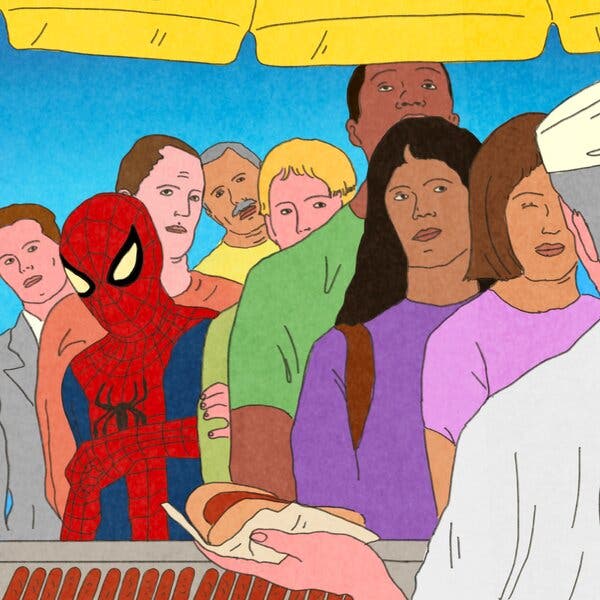
We need just a spider.
Recently, the enduring character Peter Parker, known as Spider-Man, returned in “Spider-Man: Brand New Day,” showcasing at nearly 4,500 theaters across North America. He tackles supernatural, romantic, financial, and psychological battles. His journey is not seamless, yet he broke the domestic box-office record by surpassing $500 million in the opening week. The global earnings might reach $2 billion shortly. This success aligns with the public sentiment: Spider-Man is the hero needed now.
Amusingly, Spider-Man is modest by Marvel standards. He climbs walls, swings on webbing, possesses super strength, and has spider sense. However, he cannot fly and relies on city structures for movement. In a place like an Iowa cornfield, he has to walk. Spider-Man is not immortal; he is not immune to harm. His vulnerabilities are evident as he gets wounded in the movie.
Unlike other heroes, Spider-Man lacks a high-tech hideout with unlimited gadgets. In “Brand New Day,” he works in an attic, crafting his gear. While he impressively builds muscle, he maintains a relatable image. His meeting with Black Widow in the film exposes his awkwardness typical of a teenager.
Spider-Man initially faced skepticism. In the early 1960s, Stan Lee proposed the concept but faced criticism: ‘Worst idea ever,’ was the response, citing people’s dislike for spiders. Teenagers were deemed fit only as sidekicks, and superheroes shouldn’t face personal dilemmas. Despite this, Lee proceeded to publish Spider-Man’s story in the last issue of a discontinued comic series in 1962, and Spider-Man’s popularity soared.
 Hayden Panettiere, Star of Heroes and Nashville, Dies at 36
  Cincinnati Bengals’ Ceyair Wright Leaves Team to Pursue Acting Career
  Hayden Panettiere: A Life Remembered
  Hayden Panettiere Passes Away at 36
  Actress Hayden Panettiere Passes Away at 36
 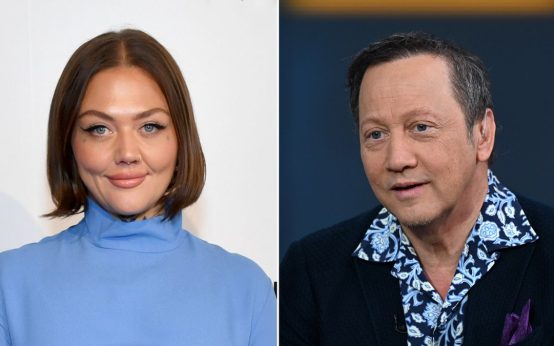 Rob Schneider Hopes for Improved Relationship with Daughter Elle King