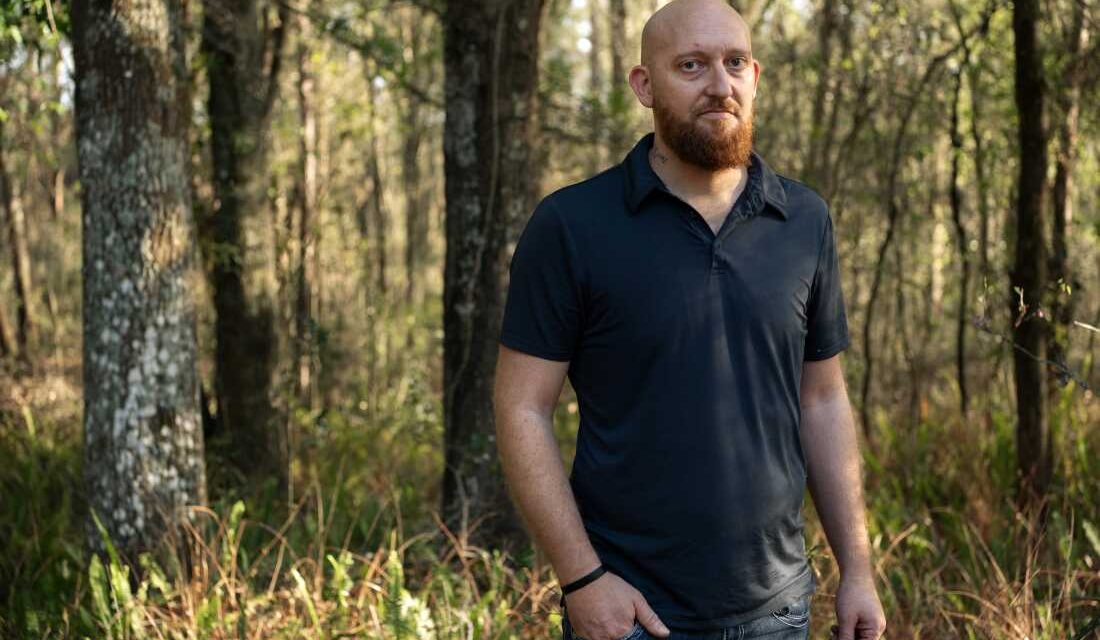
Wade Hanicker, residing near Tampa, Florida, began crafting countertops approximately 15 years ago. Using saws and power tools, he cut and polished large stone slabs for kitchens and bathrooms, primarily using quartz. His safety measures included face masks, primarily concerned with physical injuries. He underestimated the risk of silicosis, a serious lung disease from inhaling silica dust, especially prevalent in manufactured quartz, made of quartz particles mixed with binders and pigments.
The danger of silicosis is highlighted in California, where over 550 countertop workers, mostly Hispanic men, suffer from this irreversible lung disease. Over 30 have died, and more than 50 required lung transplants. On May 21, California’s workplace safety board will decide whether to ban cutting high-silica quartz, as doctors suspect toxic ingredients besides silica, like pigments or resins, are culprits.
Cambria, a major quartz company, challenges the assertion that specific silica products are solely responsible. In March, Cambria lawyer Rebecca Shult argued against the term “engineered stone silicosis,” used in California’s disease tracking. While Florida, Hanicker’s home, hasn’t reported many cases, the disparity may lie in active case searching as California does. Epidemiologist David Michaels estimates many cases go unrecognized, suggesting that more than 10,000 U.S. workers might have silicosis, considering Australia’s findings.
Silicosis often goes undiagnosed due to unfamiliarity among doctors who don’t always inquire about occupational history. This was Hanicker’s experience. After years of misdiagnosis, a CT scan and biopsy confirmed silicosis, leading to an emotional revelation for him and his wife. He faces a future need for a lung transplant and a silica-related autoimmune disease, impacting his family life, such as playing sports with his children.
Hanicker has filed lawsuits against quartz manufacturers and distributors, who assert that with proper safety measures like vacuum systems and water sprays, their products are safe. Cambria’s attorney, Khaled Taqi-Eddin, emphasizes workplace safety, noting that without it, workers, whether dealing with natural or engineered stones, risk illness.
Experts in occupational health advocate for banning quartz, citing its insurmountable toxicity even with education and enforcement. A Colorado jury recently awarded damages to Tyler Jordan, a silicosis-affected worker, in the first notable quartz lawsuit outside California. Despite disbelief, Jordan faced kidney failure requiring dialysis and a transplant from his father due to silica exposure.
Cecile Rose, an occupational pulmonologist at National Jewish Health, documented the emergence of severe silicosis in young U.S. countertop workers in 2019. Her registry revealed cases from states like Illinois, Missouri, and Wyoming, but physician awareness spreads irregularly, mainly through word of mouth.
Attorney James Nevin, representing several workers, notes silence from affected laborers out of employment fear or deportation. Massachusetts and New York have begun identifying cases, but underreporting persists. Kurt Hegmann, from the Rocky Mountain Center for Occupational and Environmental Health, observes emerging case patterns in Utah, though precise numbers remain unknown due to tracking absence.
California’s proactive approach to silicosis gains recognition, deemed necessary by experts like Hegmann. The Department of Labor’s Occupational Safety and Health Administration initiated a targeted inspection program in 2023, inspecting over 400 worksites. It found 20% of airborne silica samples exceeded permissible limits and detected a lack of medical surveillance.
Despite some states taking notice, Kenneth Rosenman from Michigan State University calls for a national survey of fabricators across multiple states to uncover the silicosis prevalence, as current systems inadequately track nonfatal workplace illnesses. Michaels critiques former administrative cuts to the National Institute for Occupational Safety and Health, emphasizing the urgency of decisive actions to curb silica exposure among workers. He supports California’s proposed quartz ban, noting that similar suffering likely awaits workers in other states without intervention.
 Medicare Lab Test Payments: Upcoming Changes and Their Implications
  Gen Z Faces Economic Barriers to Dating and Intimacy
  Understanding and Preventing Suicide: A Public Health Priority
  Presley Gerber’s Death Highlights Concerns in Addiction Treatment Approaches
  MAHA Activists Challenge Trump and RFK Jr. on mRNA Vaccines
  Fraud Task Force Saves Billions by Targeting Obamacare Fraud