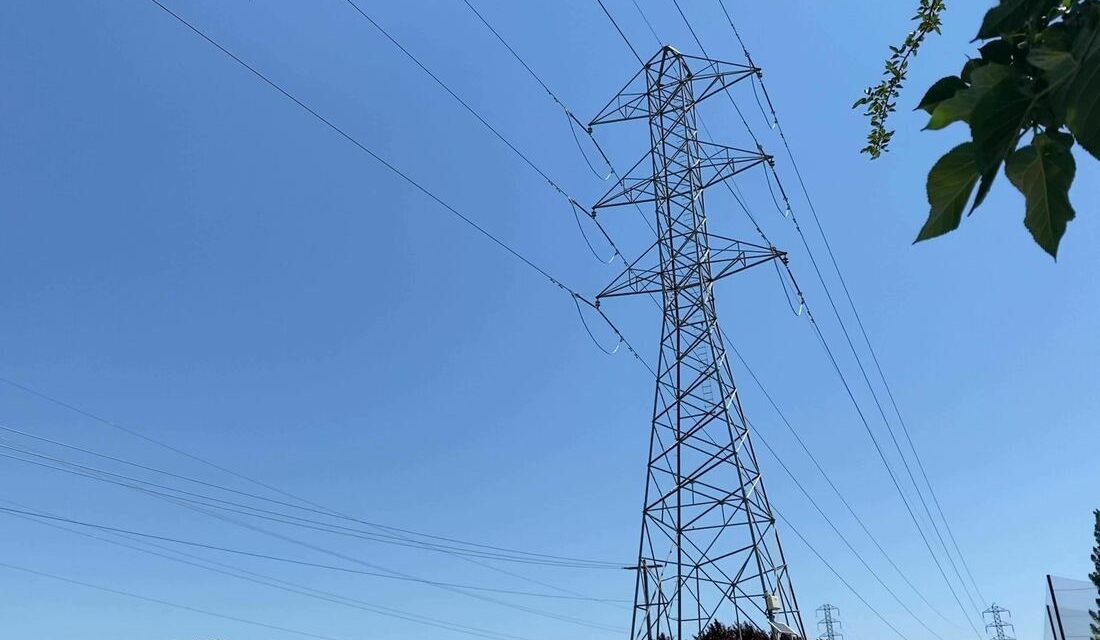
Advanced transmission technologies offer potential improvements for the existing electric grid. Researchers suggest these innovations could enhance efficiency. However, some technology companies express concerns about convincing utilities to adopt these solutions due to current profit structures.
Challenges in the Utility Sector
The urgency of addressing climate change necessitates a swift transition from fossil fuels to renewable energy sources. Despite this need, numerous wind and solar projects face delays of several years before connecting to transmission lines. The REPEAT Project from Princeton University highlights that to meet emission reduction targets, the U.S. must increase transmission capacity by 43% by 2035. This expansion requires significant time and financial investment.
Seeking Faster and Cheaper Solutions
In light of these challenges, technology companies explore options to optimize the current grid infrastructure. NPR’s climate solutions reporter, Julia Simon, discusses these potential solutions with Aaron Scott. These reforms could provide more immediate and cost-effective improvements than constructing new transmission lines.
For a detailed analysis, refer to Julia Simon’s comprehensive explanation. If you have interesting scientific insights to share, contact NPR at [email protected]. Tune in to the Short Wave podcast on Spotify, Apple Podcasts, and Google Podcasts for more stories.
This story was produced by Carly Rubin and edited by Rebecca Ramirez, Berly McCoy, and Amina Khan. Julia Simon verified the facts and Kwesi Lee managed audio engineering.
 Elk Incident Captured on Viral Video in Colorado
  Trail Camera Captures Limping Bobcat, Signaling Recovery
  El Niño 2026 Expected to Surpass Historical Intensity
  U.S. Records Warmest September on Record Since 1895
  States Lead in Energy Policy Amid Federal Setbacks
  The Impact of Modern Windows on Home Temperature Regulation