
On Saturday, vast crowds of Iranians gathered to pay their respects at the state funeral of Ayatollah Ali Khamenei in Tehran. The leader, who dominated Iranian politics for decades, was killed in the U.S.-Israeli war in late February.
Funeral Ceremonies Begin
Tens of thousands assembled at the Grand Mosalla mosque at dawn for the commencement of six days of public ceremonies. Millions are anticipated to participate as Ayatollah Khamenei’s body travels through cities nationwide. Journalists reported witnessing emotional scenes as supporters grieved over the caskets of Khamenei and family members, all draped in Iranian flags.
A Nation in Turmoil
Iran continues to face upheaval. The country has been rocked by antigovernment protests and has endured months of conflict with the United States and Israel. Israeli airstrikes led to Ayatollah Khamenei’s death and others on the first day of the war.
“The ceremonies represent a pivotal moment for Iran’s regime and are intended to demonstrate the resilience of the Islamic Republic,” said a reporter.
Public Sentiment
While supporters mourn, many criticize the extensive funeral expenses, citing Khamenei’s 37-year tenure marked by repression and governance failures. The leader’s son, Mojtaba Khamenei, has succeeded him but remains absent from the public eye for security reasons.
Logistics of the Funeral Procession
The funeral procession spans several cities, incorporating Shiite Muslim rituals. The body will journey from Tehran to Qom, then to Karbala and Najaf in Iraq before the final burial in Mashhad. This extensive itinerary aligns with sacred Shiite traditions.
Security Concerns
Mojtaba Khamenei’s participation in the funeral remains uncertain due to security risks following the assassination of his father. He was believed injured during the airstrikes. His non-appearance at such a poignant event emphasizes ongoing security threats.
The Legacy of Ayatollah Ali Khamenei
For over 30 years, Ayatollah Khamenei wielded immense power, resisting internal challenges while extending Iran’s regional influence. Born in 1939 in Mashhad, he joined the revolution opposing Shah Mohammad Reza Pahlavi and ascended rapidly post-1979 revolution.
As Iran’s supreme leader since 1989, Ayatollah Khamenei centralized power and oversaw severe measures against dissidents, even as he portrayed himself as separate from daily politics.
International Influence
Under his leadership, Iran supported foreign militant groups, including Hezbollah and Hamas, projecting influence without direct engagement. This approach sparked regional confrontations but extended Iran’s geopolitical reach.
Domestic Challenges
Domestically, Ayatollah Khamenei suppressed reform efforts and imposed tight control over elected politicians. His regime crushed movements such as the 2009 Green Movement and responded harshly to protests.
Moving Forward
As Iran commemorates Ayatollah Khamenei’s life and leadership, the nation faces unresolved conflict with the U.S. and Israel. Meanwhile, the government continues clamping down on domestic dissent amid ongoing economic challenges.
 Hurricane Polo Threatens Catastrophic Impact on Mexico’s Coast
 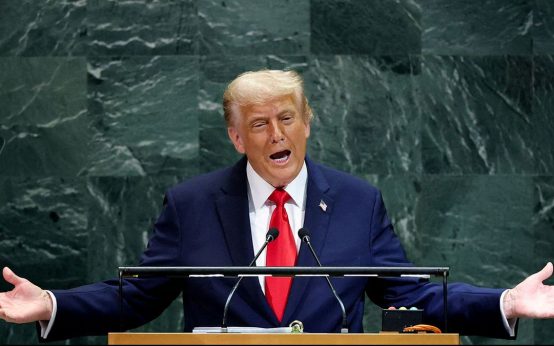 Trump’s Diplomatic Agenda: UN Speech and Global Issues
  The Shofar: A Symbol of Healing and Redemption
 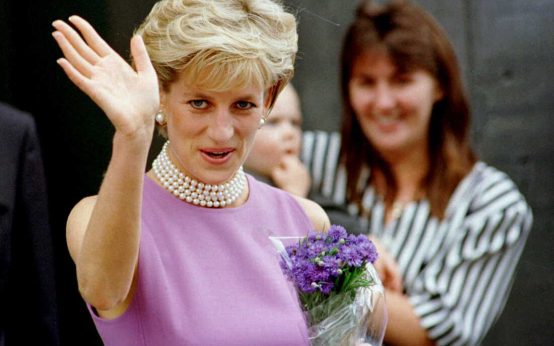 Princess Diana’s Brother’s Book Sparks Royal Controversy
  Cancellation of the Red Sea International Film Festival Amid Regional Conflict
  Family Seeks Answers Following Elderly Woman’s Death Under Canada’s Assisted Dying Program