In the stillness of night, Southern California experienced a powerful jolt. A magnitude 6 earthquake struck near North Palm Springs, shaking the land and affecting millions. The quake damaged hundreds of buildings and ruptured the California Aqueduct, releasing over a billion gallons of water into a desert lake bed. Though not as renowned as other significant earthquakes, this 1986 event signaled a series of quakes that unsettled the region for nearly a decade. Many younger residents have not faced such seismic activities, as major quakes have spared California’s largest cities for a while.
Lucy Jones, a seismologist and Caltech research associate, notes that the current calm is not the norm for California. Although progress has been made in ensuring earthquake safety, inconsistencies remain. Los Angeles has mandated retrofitting of certain buildings, but has yet to address potentially vulnerable steel skyscrapers. In the Inland Empire, old brick buildings are at risk of collapsing, posing grave danger.
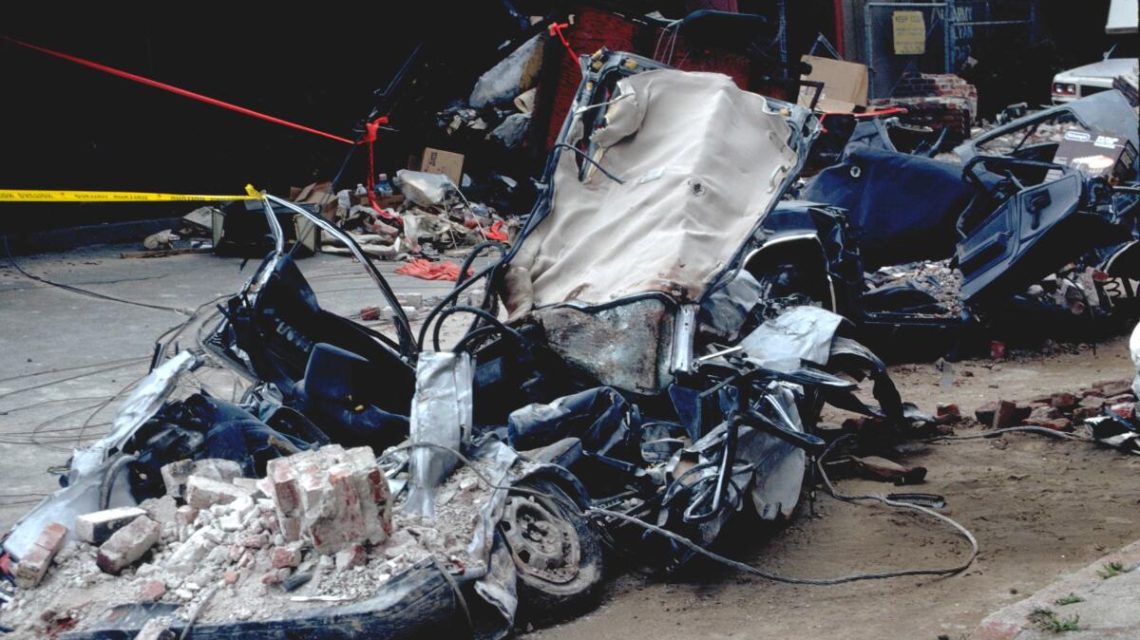
During the 6.9 magnitude Loma Prieta earthquake, a partially collapsing brick building in San Francisco caused the death of five people as debris crushed cars below.
Researchers are preparing to update the ShakeOut scenario to better project the potential devastation of a 7.8 magnitude earthquake on the San Andreas Fault. The original 2008 scenario predicted over 1,800 fatalities, 50,000 injuries, and $200 billion in damages. While certain measures have made a difference, numerous opportunities for improvement remain unmet.
Jones, responsible for the ShakeOut, is working on updates with her center, emphasizing the critical nature of readiness. She points out that a disaster turns catastrophic when unprepared society cannot cope with the disruption’s scale. ShakeOut 2.0 might explore a scenario where multiple fires, ten times the combined size of Eaton and Palisades fires, erupt post-quake due to compromised water supplies.
The fires alone could potentially cause 900 deaths and $90 billion in property damage, with immense public health repercussions due to pollutants like lead and arsenic.
California, though known for earthquakes, has fewer of them compared to Japan or New Zealand. Quakes with magnitudes of 7.9 have hit Southern California in 1857 and Northern California in 1906. Since the 1986 earthquake in North Palm Springs, the region faced numerous significant quakes. The 1987 Whittier Narrows earthquake caused eight deaths, including a student at Cal State L.A. and other accidents involving major structural failures.
Subsequent earthquakes such as the 6.9 magnitude Loma Prieta in 1989 led to 63 deaths and resulted in $6 billion worth of damage. Southern California continued to experience earthquakes, culminating in the 1994 6.7 magnitude Northridge quake, which killed 60 people and resulted in $40 billion in damages.
More recently, significant earthquakes above magnitude 7 included the 1999 Hector Mine earthquake, the 2010 Baja California Sierra El Mayor event, and the 2019 Ridgecrest earthquake. These quakes, while large, primarily affected less populated areas, reducing their social impact. Lucy Jones notes that their location far from metro areas like Los Angeles spared significant urban life and infrastructure damage.
- Prepare your home by retrofitting it for earthquakes.
- Educate your children about earthquake safety.
- Ensure your pets have provisions and a care plan for before, during, and after an earthquake.
- Understand the major earthquake risks specific to California.
- Learn from expert insights on earthquake preparedness and resilience.
- Create and follow a thorough checklist for earthquake readiness.
- Getting prepared is manageable with the right guidance.
 Potential Agreement on Permitting Reform
 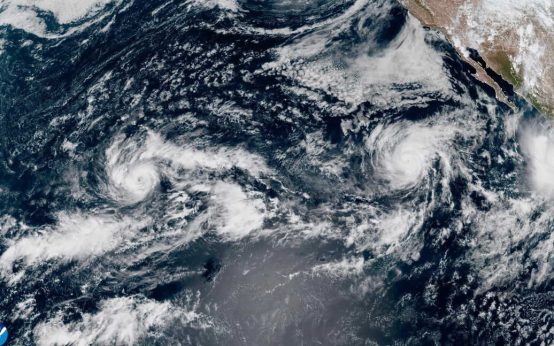 Hurricane Season: Divergent Trends in the Atlantic and Pacific Oceans
 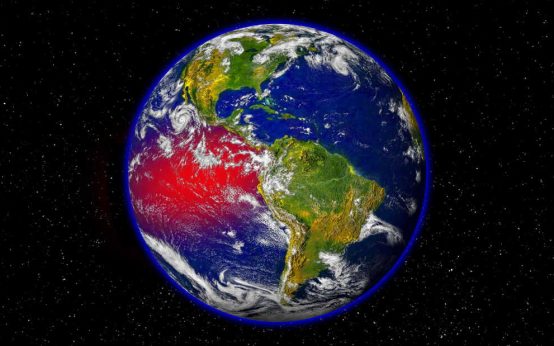 Understanding the Impact of a ‘Super’ El Niño
  Understanding Memory Lapses and Hormonal Changes in Women
  Concerns About Kratom and Its Potential Health Risks
 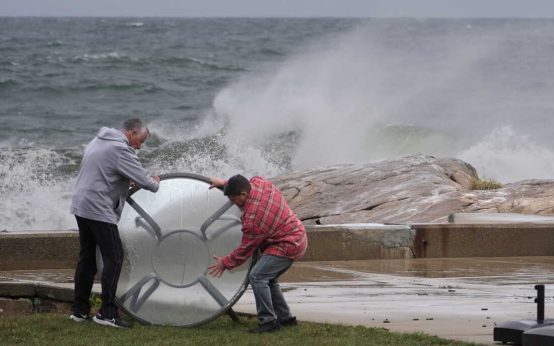 Nor’easter Hits Mid-Atlantic and New England; Hurricane Nolo Advances on Hawaii