The national vaccine court remains obscure to many, despite its proximity to the White House and its longstanding role in public health policy. Established in the 1980s, this court has paid billions to Americans who claim vaccine-related injuries. As vaccine skepticism gains traction in governmental circles, the court faces challenges in maintaining its mission and integrity.
The Case of Jacob Thompson
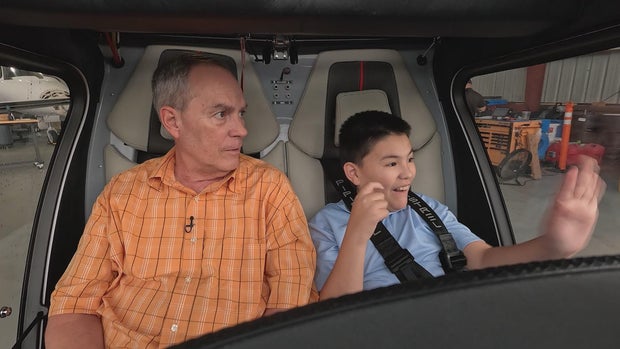
Jacob Thompson, 13, enjoys airplanes, swimming, and fast food, yet he speaks few words and struggles physically. Born in 2011 to John and Huali Thompson in St. Louis, Jacob had an unremarkable infancy. However, after receiving recommended DTaP vaccinations at six months, Jacob began experiencing severe health issues.
John Thompson recalls the drastic changes in Jacob following his vaccinations, including intense seizures. By age two, Jacob endured up to 700 seizures a day. Diagnosed with a rare epilepsy form, the Thompsons sought legal recourse, convinced of a vaccine connection.
The Role of Vaccine Injury Litigation
Attorney Renée Gentry, a vaccine injury specialist, guided the Thompsons’ legal battle. Many of her clients emphatically reject anti-vaccine labels yet seek restitution for vaccine injuries. While serious vaccine injuries are rare, likened to lottery odds, the vaccine court offers affected families a path to compensation.
Foundations and Function of the Vaccine Court
The National Vaccine Injury Compensation Program arose during a public health crisis in the 1980s. Legal challenges had driven most DTP vaccine manufacturers from the market, triggering vaccine shortages. Congress responded with legislation partly shielding companies from direct lawsuits, maintaining vaccine availability while acknowledging potential injuries.
This bipartisan effort facilitated a no-fault legal remedy, allowing families to seek compensation without proving negligence. Over time, the court has awarded nearly $5 billion to over 12,000 claimants.
Vaccine Court Processes and Challenges
The court operates uniquely, with cases heard by special masters rather than juries. Proving likelihood rather than certainty of vaccine-caused injury suffices for compensation. For instance, Jacob Thompson’s case attributed his condition to a genetic mutation aggravated by vaccination, resulting in a $2.1 million compensation.
Still, vaccine court struggles persist. It faces case backlogs and has sought more resources from Congress. Despite acknowledgment from its officials, legislative action has been stymied by the polarized vaccine debate.
Personal Accounts and Broader Implications
Ryan Farrell’s experience exemplifies delays in the court. Post-vaccination complications left him unable to work, yet court proceedings linger on. Such stories highlight the court’s systemic issues but also affirm its importance for those injured by life-saving vaccines.
The Thompsons express a nuanced view, recognizing the value of vaccines while emphasizing informed consent. Jacob’s story serves as a reminder of the delicate balance between public health benefits and individual risks.
 Concerns Over Food Safety and Its Impact on Families
  A Mother’s Tragic Journey Under Abortion Ban
  Medical Diagnosis Errors: Understanding the Crisis
  Lymphatic Drainage and Ice Sculpting: Emerging Wellness Trends
  The Rising Trend of GLP-1 Medications Among College Students
  The Challenges and Opportunities of Testosterone Therapy for Menopausal Women