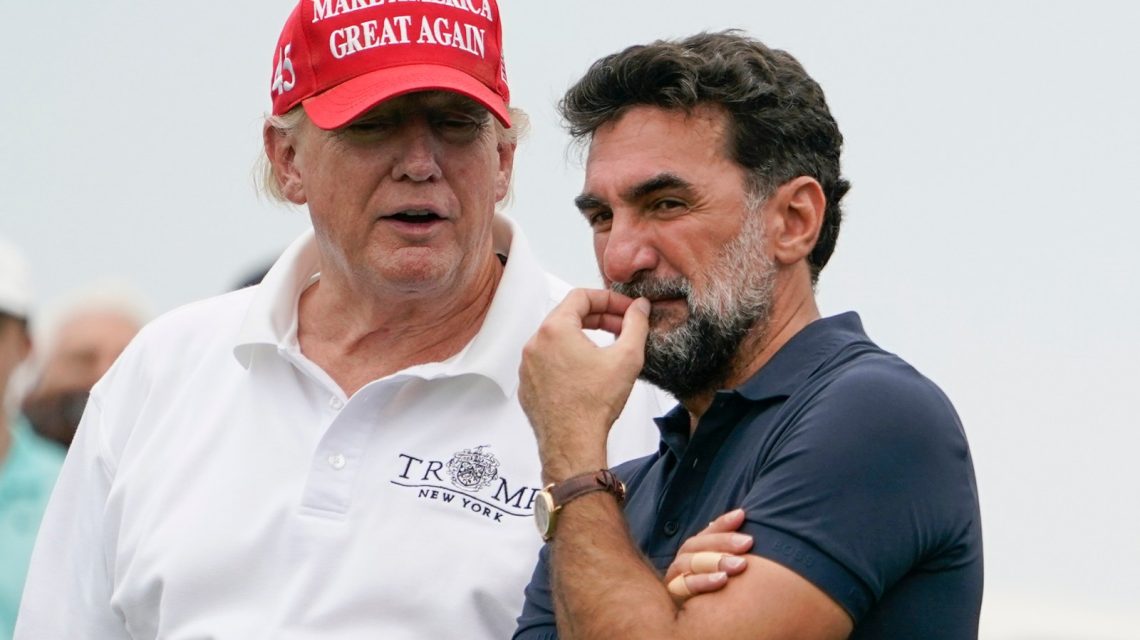
For several years, Saudi Arabia’s Public Investment Fund (PIF) has pursued a clear investment strategy aimed at turning the Kingdom into a global sports hub. The approach focused on acquiring teams, launching new leagues, and hosting prominent tournaments. However, recent geopolitical events have revealed vulnerabilities in a portfolio centered on physical sports assets.
Shifting Focus Amid Changing Conditions
Earlier this year, PIF announced a strategic shift by withdrawing funding from LIV Golf, a billion-dollar initiative designed to attract top golfers. This move coincided with selling a 70% stake in Al-Hilal, a leading Saudi football club. Additionally, plans to host the Asian Winter Games and the Rugby World Cup were set aside. Nonetheless, PIF’s strategy has not faltered.
This week, a PIF-led consortium, including Jared Kushner’s Affinity Partners, executed a $55 billion acquisition of Electronic Arts (EA). EA is a notable video game developer, known for creating key sports games, including Madden NFL.
Expanding Footprint in American Sports
Despite its dominance in sports such as soccer, golf, boxing, and Formula One, PIF lacked ownership of an NFL team. The acquisition of EA provides an indirect entry into American football through control of the company licensed to feature all 32 NFL teams in its games.
Saudi Arabia’s strategy aligns with Vision 2030, aiming to diversify the economy away from oil reliance. Critics describe this as “sportswashing,” focusing on its impact on human rights perceptions. Still, Saudi Arabia secured hosting rights for the 2034 FIFA World Cup and maintains significant involvement in multiple sports.
Reaching Fans Through Gaming
Owning a single team offers limited financial return. However, through EA, Saudi Arabia penetrates the American market. EA’s ongoing agreement with the NFL ensures Madden remains the exclusive simulation game for the league. This draws in fans from various allegiances, playing over 2 billion games annually.
Besides football, EA’s rights extend to college sports, hockey, and mixed martial arts, broadening its American audience. Last year, EA generated nearly $7.5 billion in revenue. Unlike sporadic sports tournaments, gaming retains fan engagement consistently.
Data and Diversification
PIF’s interest in EA extends beyond profit. EA’s comprehensive consumer data offers insights into player preferences and purchasing behaviors. Recently, EA launched EA Advertising, providing brands with access to over 120 million players per month.
In contrast to the fragile nature of Middle Eastern sports venues, gaming stays resilient. Political tensions forced the cancellation of several Gulf motor sport events, yet gaming continued unaffected in American households.
This aligns with PIF’s strategy for sustained value creation over the next four years, focusing on maximizing impact and investment efficiency.
The Challenge Ahead
Before the acquisition, EA was a publicly traded company with shares trading above $200. Transitioning to private ownership under PIF carries challenges. The acquisition includes $20 billion in debt, requiring EA to reduce costs, potentially by $700 million annually through “organizational efficiencies.” Concerns arise about the possibility of layoffs affecting game quality.
PIF controls valuable fan interactions only as long as the quality and appeal of EA’s games remain intact. If cost cutting diminishes quality or over-commercialization deters players, the key relationships driving EA’s value could deteriorate.
Rather than securing ownership of an individual NFL team, PIF accesses all fan bases simultaneously through gaming. However, maintaining these connections depends on fan engagement with each new game release.
 Significant Events in Chicago History on September 21
  Patriots Rookie Gabe Jacas Shines Against Aaron Rodgers
  Pittsburgh Steelers Face Offensive Struggles in Post-Tomlin Era
  CeeDee Lamb Leads Dallas Cowboys to Victory Over Washington Commanders
  Buffalo Bills Tailgating and Highmark Stadium Experience
 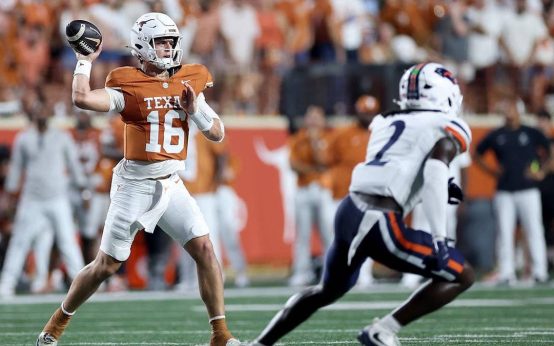 Texas Longhorns Triumph Over UTSA with Defensive Strength and Key Plays