
This summer has shattered numerous temperature records across the United States and globally. The frequency of these milestones turning them into a near-normal occurrence may numb the perception of this extraordinary climate phenomenon. Yet, some records still manage to stand out due to their historical significance.
One significant threshold we may soon surpass is the infamous heat of the Dust Bowl summer of 1936. This event remains etched in history due to its extreme temperatures and devastating agricultural impact. The prospect of breaking such a longstanding record underscores the severity of current climate trends.
Average temperatures this year are on course to exceed those experienced during the Dust Bowl era, which has long stood as a benchmark for extreme heat conditions in the U.S. To put this in perspective, consider the considerable scientific expectations for this year’s temperatures. The ongoing trends suggest a potential overtake of those historic highs, emphasizing the urgent attention required on climate change and adaptation strategies.
As we examine the ongoing shifts in climate patterns, it’s crucial to acknowledge the implications these changes hold for various sectors, including agriculture, public health, and infrastructure. Addressing these challenges demands coordinated efforts to adapt and mitigate the future impacts of persistent and escalating temperatures. Such actions could help prevent further record-breaking summers from becoming our new norm.
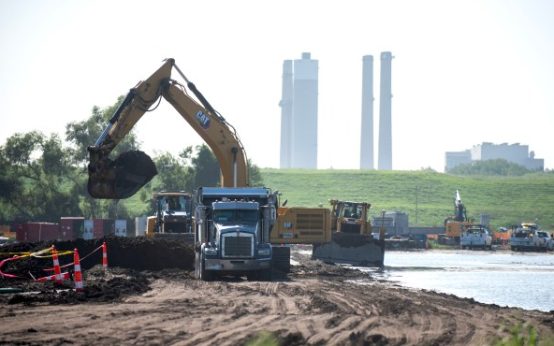 EPA Dismantles Greenhouse Gas Rules, Causing Concern
 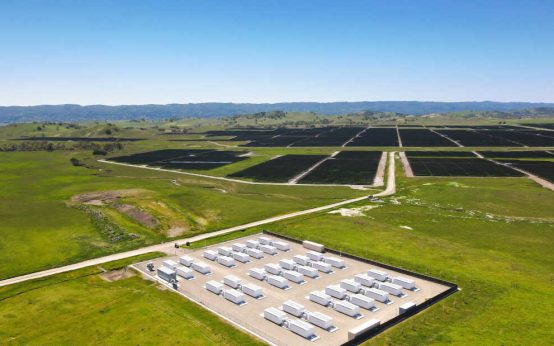 How Battery Innovations Transform Renewable Energy
  Data Centers Stir Controversy in Texas Amid Growth Boom
 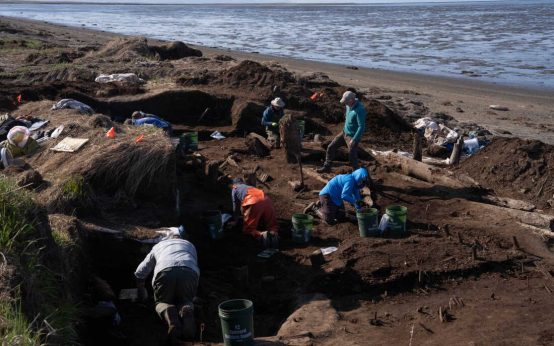 Urgent Archaeological Efforts in Quinhagak Stay Ahead of Erosion
 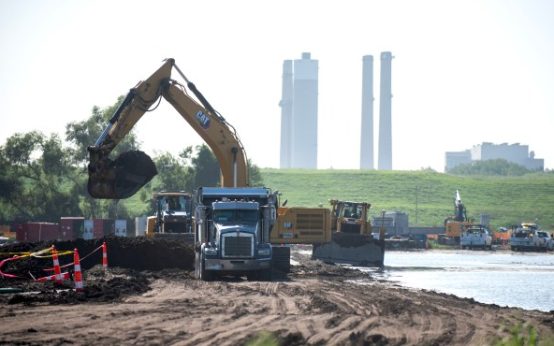 Concerns Rise Over NIPSCO Permit In Jasper County
  Reader Reactions on Grizzlies and Data Centers