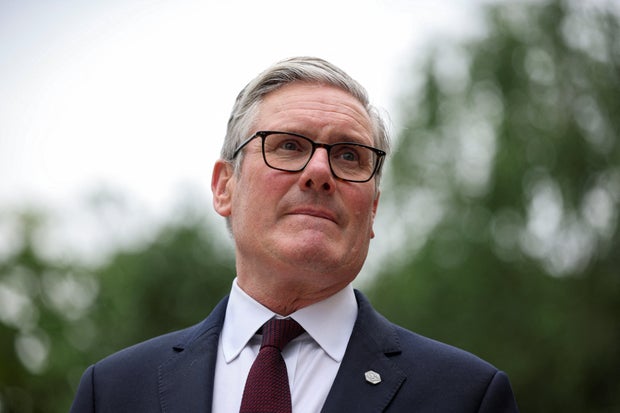
British Prime Minister Keir Starmer announced on Monday his resignation as the leader of the ruling Labour Party. This decision also entails his replacement as the leader of the country.
Starmer has faced increasing pressure to resign in recent weeks. This pressure intensified after Andy Burnham, a political rival within the Labour Party and former Mayor of Manchester, indicated his intention to challenge Starmer for leadership.
Starmer initially committed to staying in his role. However, as more Labour Party members decided his leadership was no longer tenable, he reconsidered. Burnham’s decision to leave his mayoral position, followed by winning a seat as a Member of Parliament, hastened Starmer’s departure.
Burnham’s move was crucial since prime ministers are typically selected from current members of the House of Commons.

Starmer’s tenure has been marked by significant challenges, ending in less than two years following his party’s substantial national election victory. This resignation follows local elections where voters expressed dissatisfaction with Starmer’s governance.
Addressing the nation outside 10 Downing Street, Starmer highlighted his achievements in office. He acknowledged his party’s concerns about his capability to lead into future elections, accepting the feedback gracefully. He emphasized, “Every decision I have made has been about putting the country first.”
With emotion, Starmer spoke of his children, describing them as his “pride and joy,” before concluding his statement.
 Randy Fine’s Bold Stance on Foreign Policy and Domestic Issues
  Political Strategies for the Upcoming Midterm Elections
  Trump Considers Diesel Export Ban Amid Rising Fuel Prices
  Texas Senate Race: Talarico Takes Lead in Youth Vote
  Criticism Arises Over Michigan Senate Nominee’s Association with Streamer
  Homeland Security Takes Action Against Voter Fraud